What is the physical appearance of a catfish?
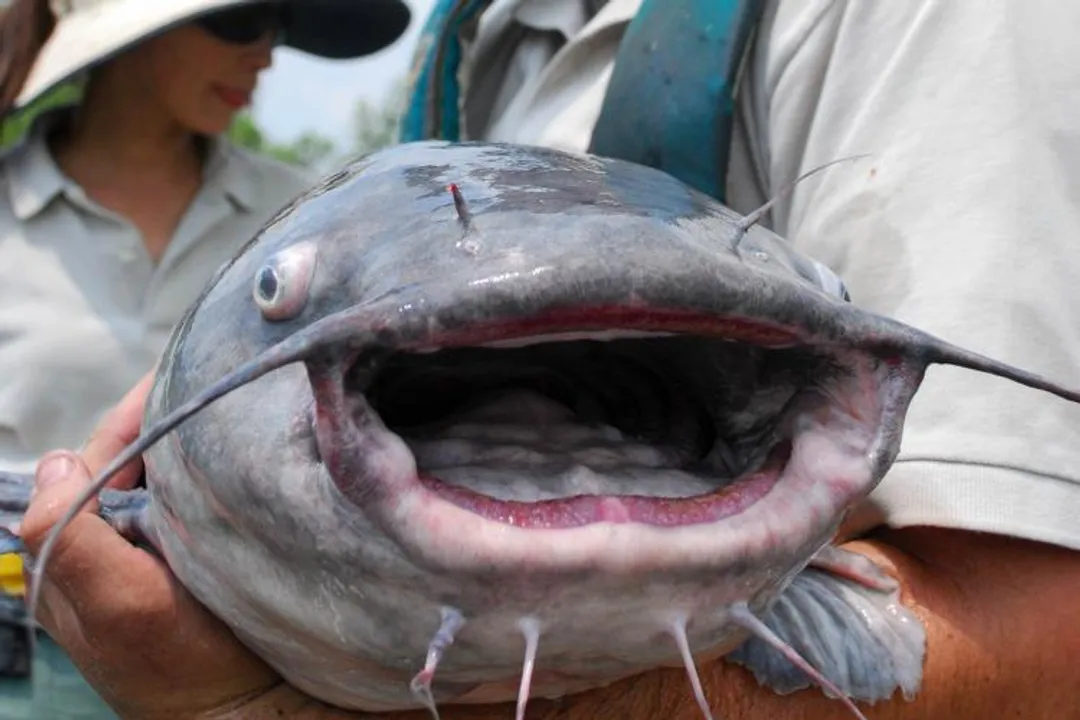
The catfish, a member of the order Siluriformes, presents a remarkably diverse appearance across its thousands of species, yet certain hallmarks define this group, making them instantly recognizable. The feature most associated with their common name is the presence of prominent, fleshy, whisker-like protrusions around the mouth, known as barbels. These structures are not mere decoration; they are highly specialized sensory organs that give the fish its feline association. A second universal characteristic, which separates them from many other common freshwater fish, is the near-complete absence of scales. Instead of protective scales, their bodies are often covered in smooth, mucus-coated skin, although some species may feature tough, bony plates or scutes that act as armor. Generally, catfish possess a body shape that is described as cylindrical, often with a flattened underside—an adaptation suited for their primary role as bottom-dwellers that sweep along the substrate of rivers and lakes.
# Sensory Appendages
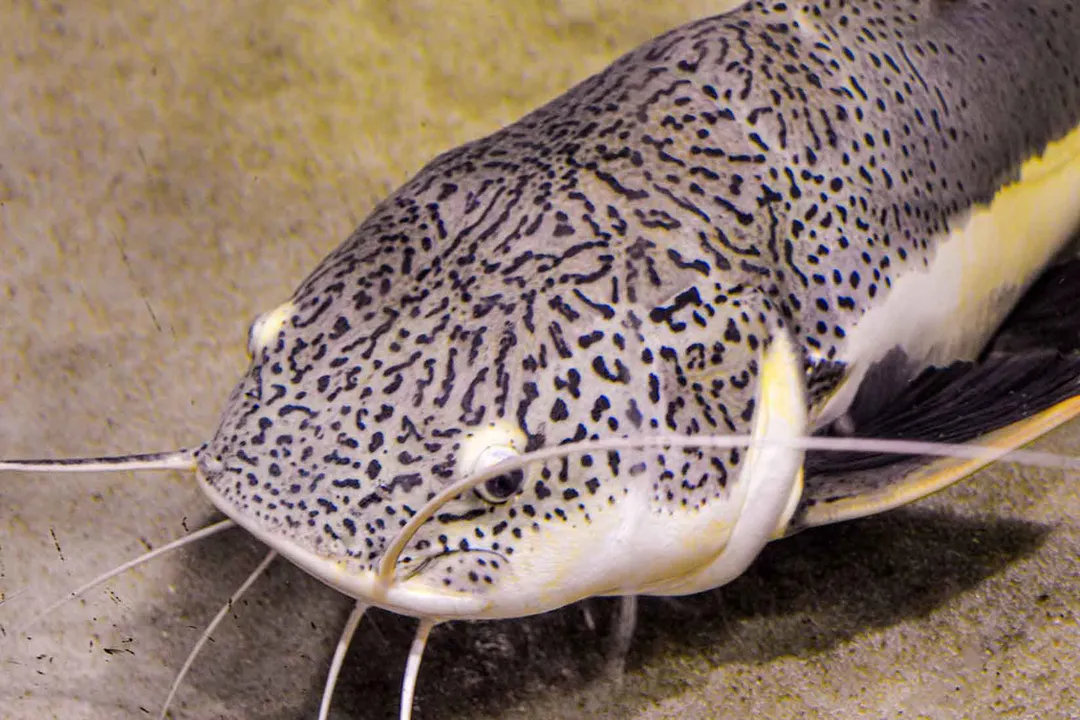
The barbels are perhaps the most critical element in understanding a catfish’s physical makeup, as they are intimately tied to how the fish perceives its environment. These appendages are packed with chemoreceptors, essentially functioning as external taste buds. Many larger catfish species effectively "taste" whatever they touch and "smell" chemicals present in the water, meaning gustation (taste) plays a primary role in locating food. The arrangement and number of these barbels vary significantly by family, but North American species like the Channel Catfish typically display eight sensory barbels around the mouth: four on the chin, two on the snout, and one on each corner of the mouth. This heavy reliance on chemical sensing is a profound adaptation to their often murky habitats. While they have eyes, they are generally small, and in many bottom-dwelling, cave-dwelling species, eyes have been lost entirely. This suggests that for many catfish, the physical look of the world is secondary to the chemical and tactile map provided by those sensitive whiskers. If you are trying to successfully fish for catfish, recognizing this physical prioritization is key; they are feeling and tasting for bait long before they might visually see it, particularly in low-visibility water. Furthermore, the mouth structure reflects this feeding style: catfish mouths often lack incisiform (cutting) teeth, relying instead on suction or gulping prey whole.
# Integument and Frame
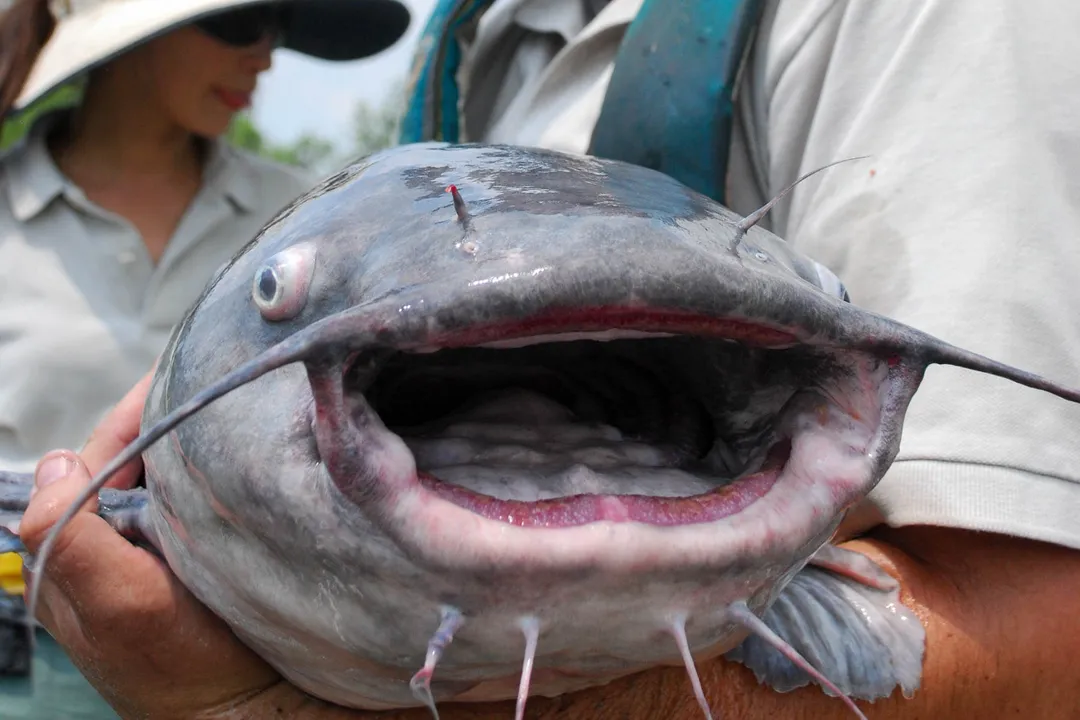
The catfish's skin and overall body profile are specialized for a benthic, or bottom-dwelling, existence. Because they lack scales, their skin is often naked and covered in mucus, which, in some species like the African catfish, may possess antibacterial properties. The body form is typically elongated, though the degree of slenderness varies widely between species. Their negative buoyancy—meaning they sink rather than float—is partly due to a reduced gas bladder and a heavy, bony head structure. The coloration follows a general pattern of light ventral sides (belly) and darker dorsal sides (back). This countershading provides camouflage against the light from above and the dark bottom below. The palette ranges from pale white or yellowish bellies up to shades of gray, olive-green, or almost black on the back. For example, albino Channel Catfish present a distinct peach coloring.

# Protective Structures
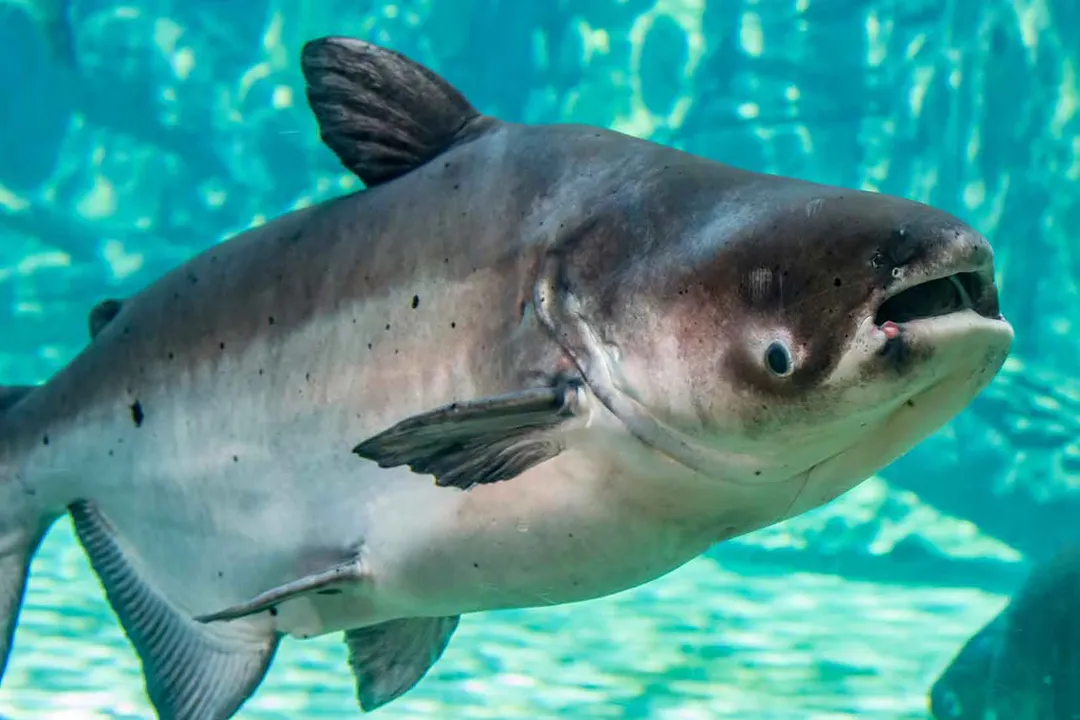
A defining, and potentially hazardous, physical trait across most of the order Siluriformes involves the fins. With few exceptions, such as the electric catfish, they possess a strong, bony, leading spine on both the dorsal fin and the pectoral fins. These spines can be locked into an outward position when the fish feels threatened, enabling them to inflict severe wounds. Moreover, in many species, these spines are venomous; the protein is produced in the glandular tissue covering the spine, and a puncture can cause intense pain and swelling in humans. While most venoms are a defense against other fish, the venom of certain species is potent enough to require hospitalization. The size and serration of these spines can vary, and in the Channel Catfish, the pectoral spine has well-developed serrae (saw-like teeth) on its posterior edge.
# Species Comparison

While the general characteristics are common, distinguishing between closely related, commercially important North American species like the Channel Catfish (Ictalurus punctatus) and the Blue Catfish (Ictalurus furcatus) relies on subtle but consistent physical markers.
| Feature | Channel Catfish (I. punctatus) | Blue Catfish (I. furcatus) |
|---|---|---|
| Body Profile | Long, slender-bodied | Large, heavy-bodied |
| Color/Spots | Olive to pale gray back, white belly; often has small, scattered dark spots on sides (especially juveniles) | Silvery-blue to gray back, white belly; lacks dark spots on the body |
| Anal Fin Margin | Rounded margin, 24 to 29 soft rays | Straight margin, 30 or more rays |
| Head Profile | Curved profile from dorsal fin to snout | Head profile is straight, giving a wedge-shaped look |
A common pitfall for anglers is mistaking a large, dark Channel Catfish for a Blue Catfish. It is true that juvenile Channel Catfish are distinctly silvery with many spots, but as they mature, those spots can fade away, making the coloration nearly identical to a Blue Catfish. This means relying solely on color for field identification can be risky. The most reliable physical differentiator, which remains constant regardless of habitat or age-related camouflage, is the anal fin morphology. The rounded margin versus the straight edge is a fixed anatomical feature that separates these two giants of the river.

# Scale of Size
The physical appearance of a catfish is dramatically influenced by size, as the order Siluriformes contains one of the largest size ranges of any bony fish order. On one extreme, some species, such as tiny parasitic species like the candiru, can be barely over a centimeter long. Conversely, there are goliath species, like the Mekong giant catfish, reported to weigh over 600 pounds and reach lengths up to 5 meters. For the species more commonly encountered in North America, the size range is still impressive:
- Channel Catfish: Typically range from 15 to 25 inches and weigh between 2 and 10 pounds, though they can reach up to 58 pounds.
- Blue Catfish: These are generally larger and heavier-bodied. While common sizes are 20 to 50 inches, they are known to reach lengths of 5 feet and weights exceeding 100 pounds.
The overall silhouette is also tied to size; juveniles generally have heads and fins that are proportionally larger compared to their slender bodies, though the basic features like barbel placement remain consistent during development. Their body density, being generally negatively buoyant, contributes to their flattened ventral appearance, which aids in resting and feeding near the bottom, a trait common to most catfish, regardless of whether they are a small, stout bullhead or a massive, heavy-bodied Blue Catfish. This inherent body structure helps keep them engaged with the substrate where they use their superlative senses to find sustenance.
Related Questions
#Citations
Catfish
What do catfish look like?
Blue Catfish
Catfish facts | Fish
Channel Catfish | Ohio Department of Natural Resources
Catfish - Kentucky Department of Fish & Wildlife
Channel Catfish
Channel Catfish – Discover Fishes
What is a catfish?
Catfish Texture & Flavor Description