What process often leads to the incidental collection of *Bipes biporus* by humans?
Answer
Incidental collection through soil sampling or uncovering by construction
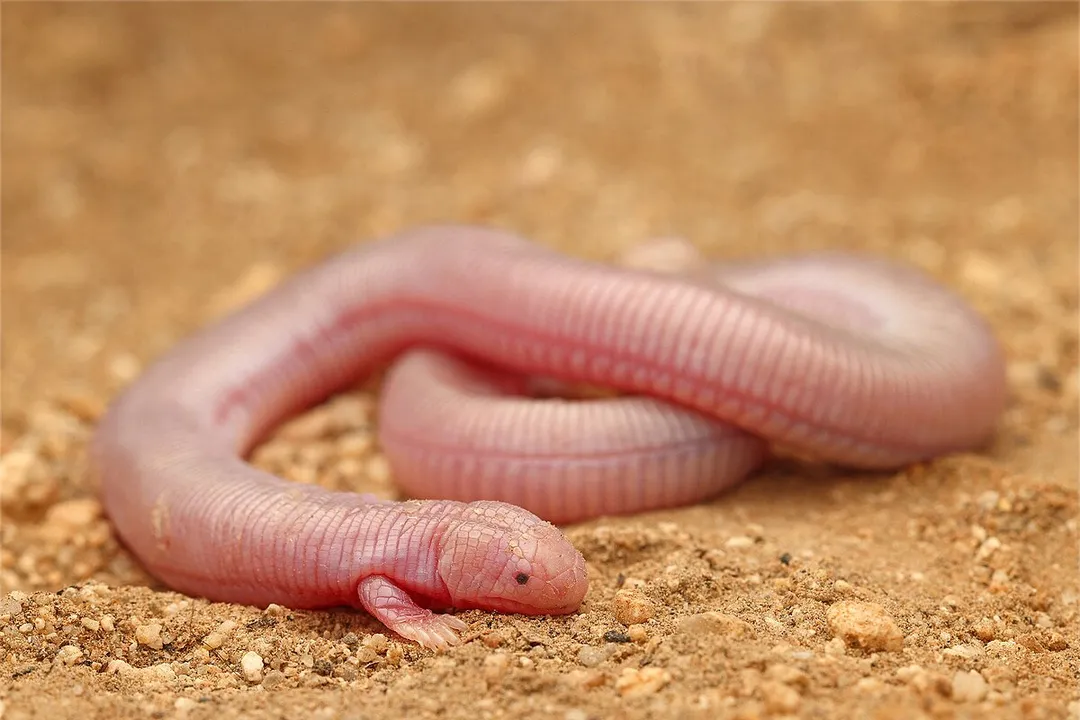
Comprehensive ecological studies that yield precise demographic data for *Bipes biporus* are infrequent because the lizards are rarely the specific target of research due to their secretive nature. Instead of being actively sought out, they are often encountered unintentionally. This incidental collection happens when researchers or laborers are performing activities like soil sampling, or when land is disturbed due to construction or agricultural work, which accidentally uncovers specimens hidden just beneath the surface.
Related Questions
What specific number of limbs does the Mexican mole lizard, *Bipes biporus*, possess?To which taxonomic family does the limbless reptile *Bipes biporus* belong?What is the primary reason reliable longevity figures for *Bipes biporus* are elusive?Where are *Bipes biporus* primarily found thriving in loose, sandy soils?How does the subterranean habitat potentially influence the metabolic rate of *Bipes biporus*?What typical food sources do *Bipes biporus* consume that they encounter underground?What key biological challenge does the lack of longevity data create for herpetoculturists dealing with *Bipes biporus*?How do *Bipes biporus* achieve locomotion underground without relying on typical lizard walking patterns?What observation about *Bipes canaliculatus* reinforces the knowledge gap concerning *Bipes biporus* lifespan?What process often leads to the incidental collection of *Bipes biporus* by humans?