How long does the active, swimming lifespan of an adult *Triops* typically last in its natural, ephemeral habitat?
Answer
A few weeks
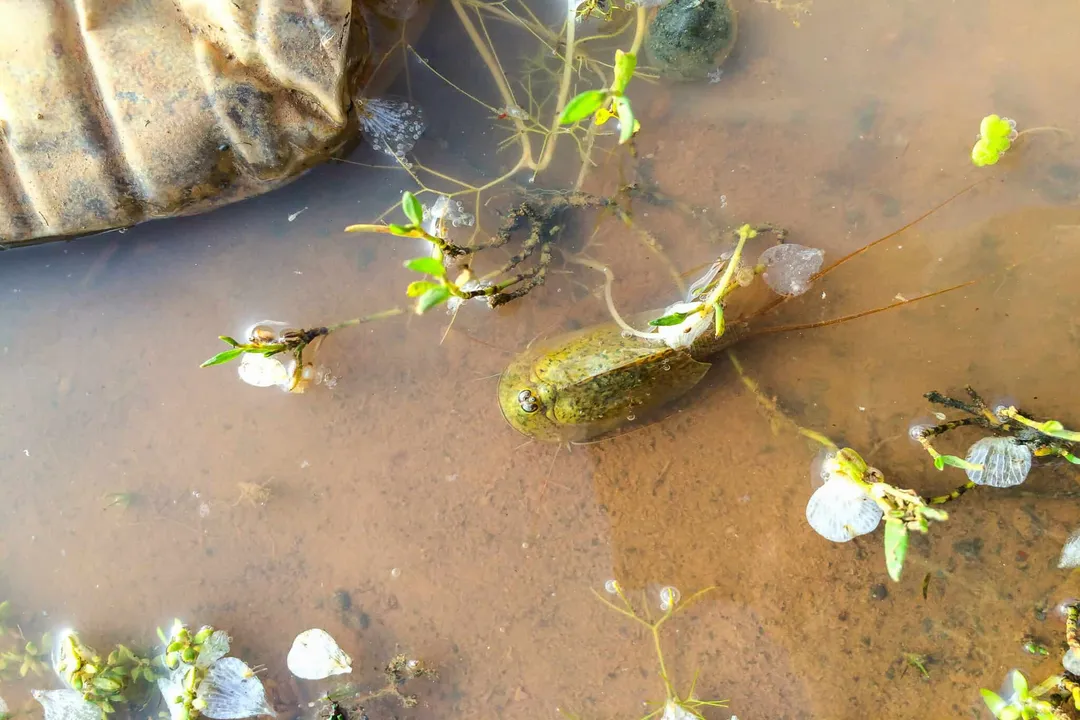
The active life phase of the *Triops* is characterized by extreme brevity and intensity, a direct consequence of its reliance on temporary water sources like vernal pools or desert rain puddles. Once the cysts hatch into tadpole-like creatures, they must engage in a frantic race against time to grow and reproduce before the water source evaporates. Consequently, the duration of this adult stage is remarkably short, usually measured only in weeks. This rapid cycle ensures that eggs are laid before immediate lineage extinction occurs due to environmental drying, emphasizing the trade-off between individual duration and genetic persistence.
Related Questions
What is the maximum reported duration for which *Triops* eggs can remain viable in dormancy?How long does the active, swimming lifespan of an adult *Triops* typically last in its natural, ephemeral habitat?What observation time was recorded for *Triops australiensis* individuals in controlled environments?What is the specialized form of suspended development that *Triops* cysts enter to survive dehydration and cold?Which specific geological event did the *Triops* crustaceans survive, remaining largely unchanged?What characteristic of the water environment dictates the entire life cycle strategy of the *Triops*?What critical prerequisite must environmental triggers meet to initiate the hatching of *Triops* cysts?Where have *Triops* been documented to resurface after heavy rains following long periods of desiccation?What potential duration can the active life of a *Triops* be extended to when managed under optimal captive care?In terms of long-term success for hobbyists, what activity with *Triops* cysts is prioritized over forcing extreme active lifespan extension?