How long do insects live?
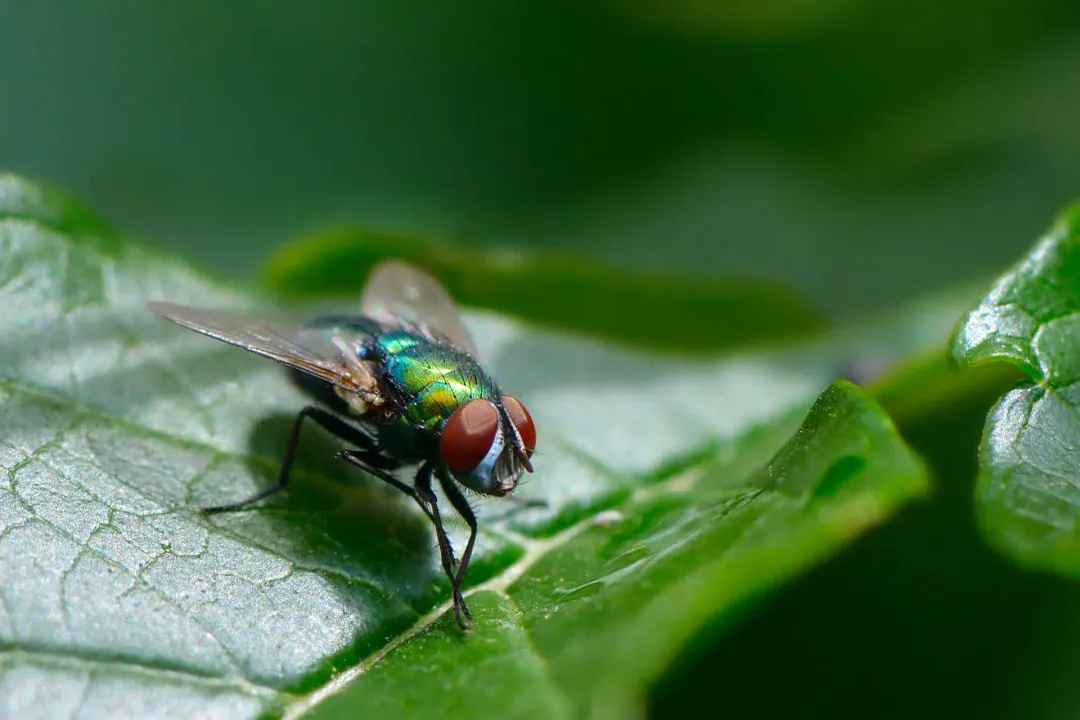
The world of insects presents an astonishing spectrum of existence, where the concept of a standard lifespan simply does not apply. To ask how long an insect lives is akin to asking how long an animal lives; the answer spans from a mere handful of hours to several decades. This dramatic variance is rooted in everything from the insect’s role within its society to the density of the food sources available during its growth phases. While many insects are characterized by their fleeting adult appearances, others, particularly those with complex social structures, possess lives that rival those of small mammals.
# Fleeting Moments
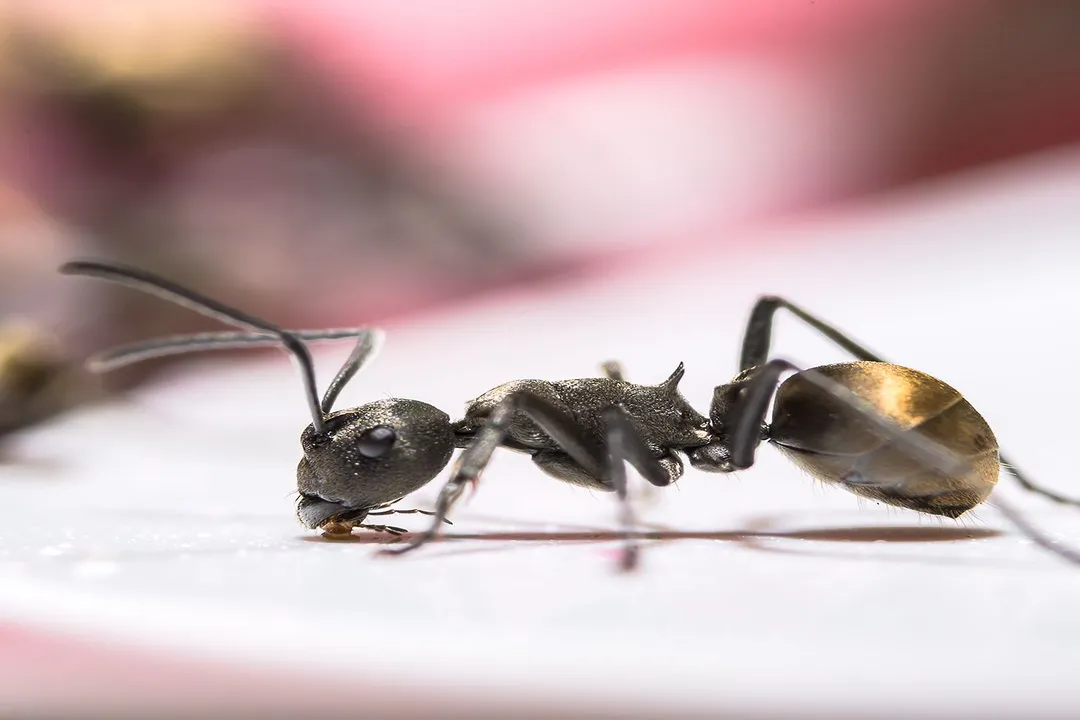
At the extreme short end of the scale are creatures whose entire adult existence is dedicated solely to reproduction, often before they even have time to eat a proper meal. The mayfly is the quintessential example of this brevity. Emerging in massive swarms, the adult mayfly has non-functional mouthparts and a digestive system that is often vestigial, meaning it lives only long enough to mate and lay the next generation’s eggs—sometimes as little as 24 hours. Similarly, aquatic midges can also be measured in mere hours or days as adults.
In the realm of social insects, a stark gender division often dictates life expectancy. For instance, male mosquitoes typically perish within one to two weeks of reaching adulthood, having served their purpose. The male ant drone shares a similarly short fate; after mating with a female, he may only survive for a week or two before dying. In these cases, the adult life is highly specialized, burning through energy reserves accumulated during earlier, often more protracted, developmental stages.
# Common Pests
When we encounter insects in our homes, we are often dealing with species that manage a slightly longer, yet still relatively brief, adult tenure, provided they find the necessary food and shelter.
House flies generally maintain a lifespan of around 15 to 25 days. They mature quite rapidly, reaching full adulthood in just over a week in favorable conditions. This quick turnaround means that even a short-lived adult can still produce a significant number of eggs quickly.
Cockroaches, conversely, are known for their durability and relatively longer individual adult lives. Many species can survive for hundreds of days, with some records pushing beyond 600 days. Their hardiness is legendary; for example, a cockroach can survive for about a week without its head because it breathes through its body segments, though it eventually succumbs due to the inability to drink water.
For homeowners, bed bugs present a different challenge. While an average lifespan might be around ten months, their survival mechanism is tied to feeding patterns. Under the right conditions, they can persist for over a year, and crucially, they can survive for months without taking a blood meal, waiting for a host to return.
Ants show a clear life structure differentiation. While worker ants—the non-reproductive females doing the colony’s labor—might last from a few weeks to several months, or even up to a year under good conditions, their survival is vastly overshadowed by the matriarch.
# Exceptional Rulers
The true outliers in insect longevity are almost exclusively the queens of highly organized, social colonies. These individuals trade mobility and foraging for protection, care, and a life focused almost entirely on reproduction.
The termite queen stands out as one of the longest-lived insects known. She can rule her subterranean empire for an astonishing 25 to 50 years. This longevity is what allows termite colonies to cause such extensive, long-term structural damage to human dwellings.
Close behind are queen ants, who can often live for up to 30 years. Their survival ensures the continuity of a colony that might number in the thousands. Even the less dominant social insect leaders, like the queen honey bee, enjoy a relatively long life, averaging two to five years, far outlasting the few weeks or months assigned to the worker bees who serve her.
When considering lifespans that approach human scales, it's insightful to compare the reproductive lifespan of a queen to the average human existence. If the average human lifespan is approximately 79 years, a termite queen can account for more than half of that time simply by staying in one place, laying eggs, and directing her colony's growth. This single individual can oversee the birth and death of countless short-lived workers over her decades-long reign, ensuring species persistence without ever leaving the nest.
# Developmental Delays
A recurring theme in insect life history is the discrepancy between the time spent in immature stages versus the final, reproductive adult stage. For many insects, the larval or nymph stage is where the bulk of their time is spent, and this phase is often protracted because their food sources—like wood fibers or soil detritus—are not calorie-dense.
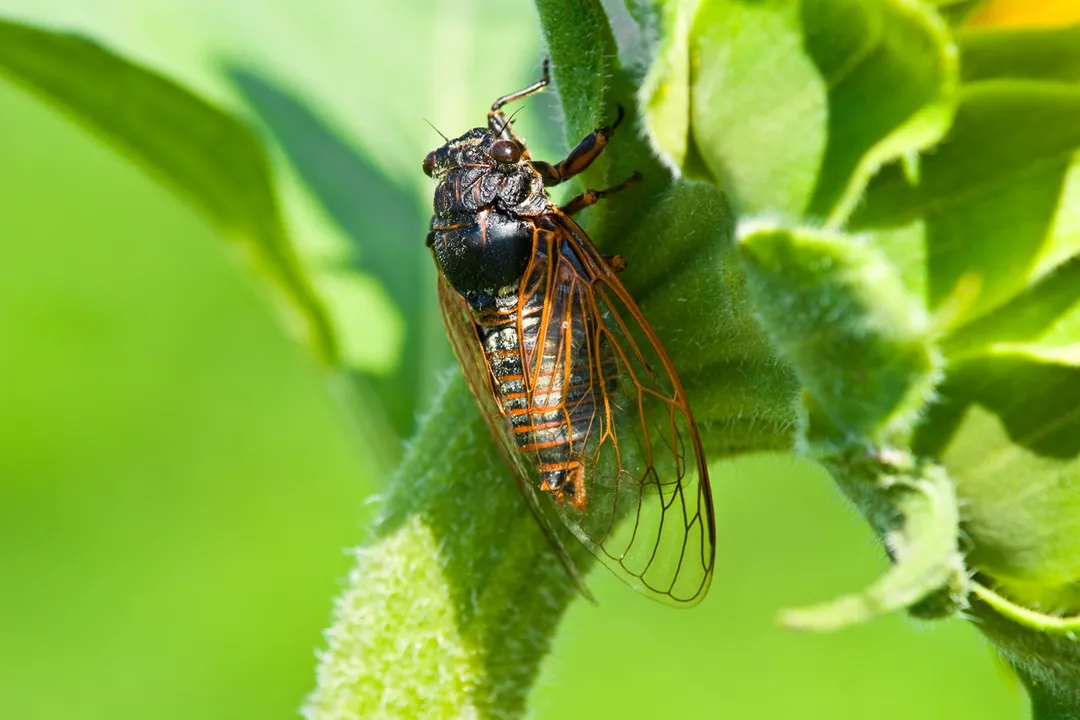
The periodical cicada offers the most famous example of this developmental strategy. While its noisy adult life might only last a month or so, the nymph stage is spent underground, maturing for 13 to 17 years. The larvae must dedicate this vast amount of time to gathering sufficient nutrients before they commit to their brief, energetic adult flight. Similarly, mayfly nymphs can spend up to two years hidden underwater before emerging for their day-long existence.
This developmental strategy creates a survival trade-off. Slow growth in a protected niche (underground or in wood) minimizes competition for energy-poor resources. Once mature, the adult insect rapidly expends its stored energy on high-risk activities like flight and mating. For insects that don't feed as adults, like many mayflies, their short lives are essentially the culmination of years of patient, slow accumulation of resources.
# Environmental Timing
The speed at which an insect develops, and thus how quickly it reaches adulthood, is highly sensitive to its surroundings. Temperature, humidity, and the quality or quantity of available food can either accelerate or dramatically slow down the progression through life cycle stages.
We see this dependency clearly in pest management scenarios. For example, a silverfish might develop from egg to adult in just three months under ideal warm and humid conditions, but if circumstances are unfavorable, that same developmental phase could drag on for as long as three years. This flexibility allows insects to survive periods of scarcity by slowing down their metabolism, a process known as diapause. Fleas are known to exploit this by remaining in their protective pupal cocoons for months, waiting for the vibrations of a potential host animal before completing development and emerging. When you are dealing with a persistent pest issue, recognizing that the population isn't necessarily reproducing quickly, but rather that individuals are paused in a developmental stage, explains why a single treatment often fails; the next wave is just waiting for the environmental trigger to resume their cycle.
Even within a single species, life expectancy can be drastically altered by caste or sex. Consider the fire ant: the queen can live for two to seven years, supporting the colony's output of up to 1,000 eggs daily, while the males live only one to six months. For the species to succeed, the queen needs to maximize her reproductive output over a longer period, while the males need only a short window to fulfill their singular purpose.
While the data points derived from pest control research clearly focus on common home invaders, they paint a broader picture of biological success. Whether it is a queen termite reigning for half a century or a mayfly completing its mission in a single day, the duration of an insect's life is perfectly calibrated to the reproductive demands and ecological niche it occupies. The diversity in insect lifespan truly underscores the incredible range of evolutionary solutions found within this class of creatures.
#Videos
How Long Do Bugs Live? Exploring Insect Lifespans - YouTube
Related Questions
#Citations
Bug Life Expectancy: How Long Do Insects Live? - Terminix
How long do insects live? - Wildlife Watch
What insects have the longest lifespan? - Reddit
How Long Do Bugs Live? Exploring Insect Lifespans - YouTube
A Bug's Life: The World's Longest Living Insects - Arrow Exterminators
The Lifespan of Insects - Aptive Pest Control
How Long Does the Average Pest Live? - Rove Pest Control
How Long Does an Insect Live? - Colonial Pest Control
How Good or Bad Is the Life of an Insect? - Simon Knutsson
Which Bugs Live the Longest? - ExtermPRO