How long do dinosaur shrimp live?
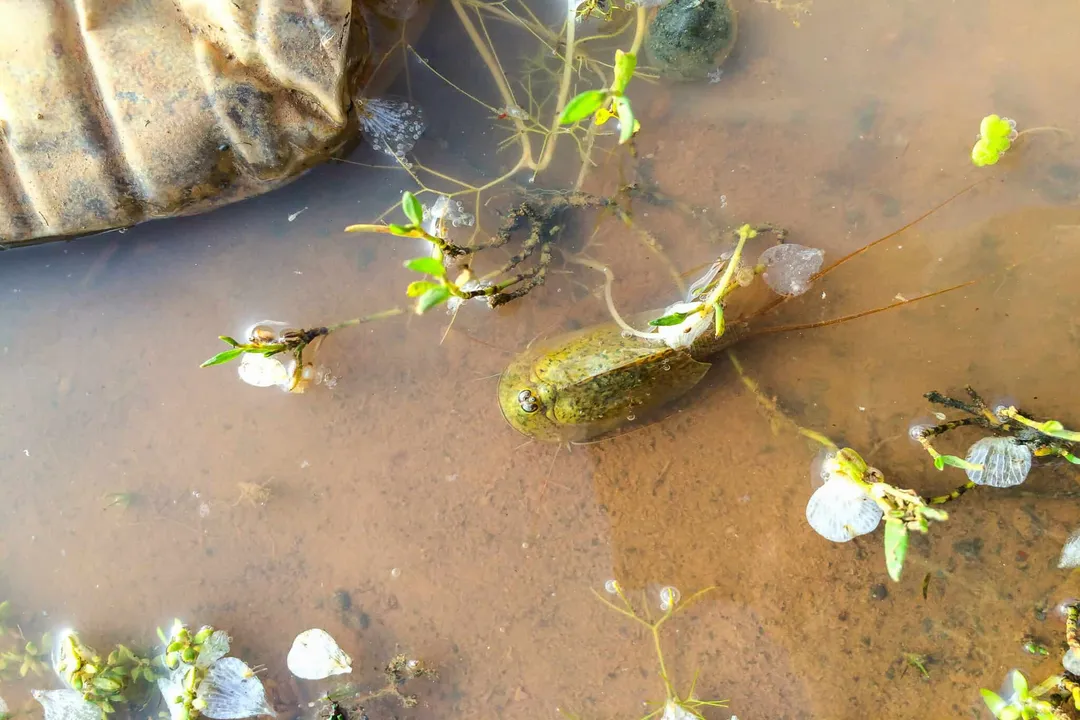
The question of how long a dinosaur shrimp, officially known by the genus name Triops, lives is fascinating because it requires answering two very different questions: how long the active, swimming creature survives, and how long its potential future life remains locked away inside a tiny egg. These crustaceans, often called tadpole shrimp, are genuine living fossils, having remained largely unchanged for millions of years, surviving the very extinction event that wiped out the non-avian dinosaurs. [2][5] Their incredible longevity isn't measured in a single linear timeline but across their two distinct phases of existence: the brief, intense sprint of adulthood and the decades-long wait of the dormant cyst. [4]
# Dual Existence
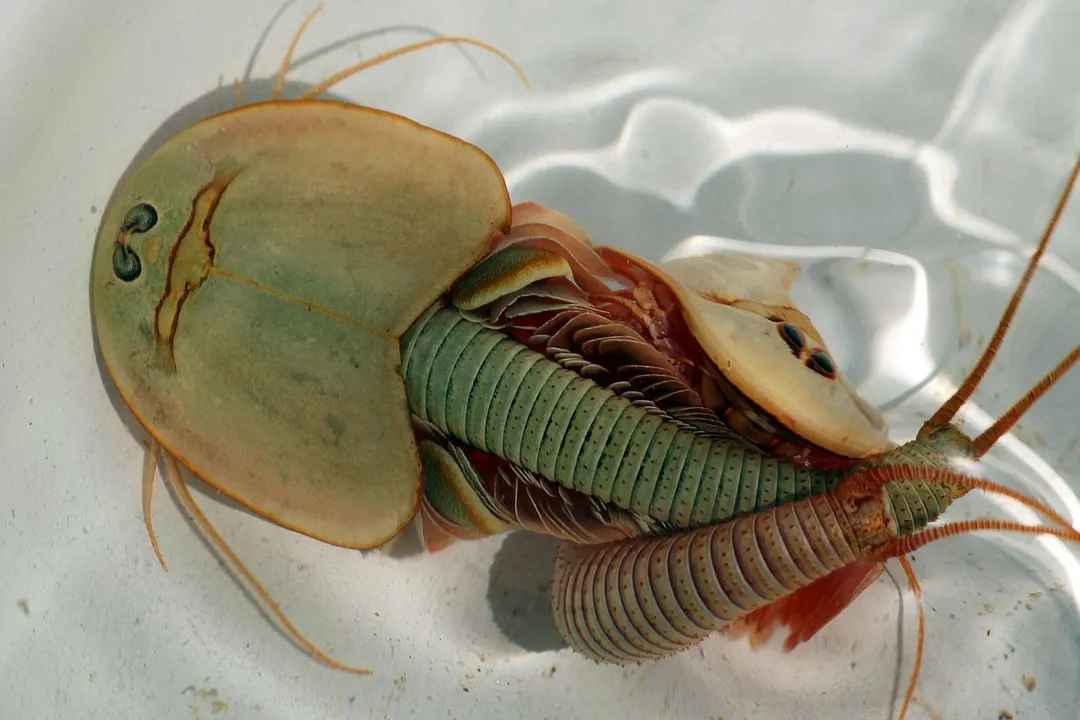
To properly discuss the lifespan of a Triops, one must appreciate their strategy for navigating an unpredictable world. They thrive in temporary bodies of water, like ephemeral desert pools or vernal pools, that fill with rain and then quickly dry up. [6] This environment dictates their entire life cycle. The active shrimp lives fast, matures rapidly, and reproduces quickly, laying eggs designed for maximum survival through harsh dry spells. [8] These eggs, or cysts, are extraordinarily resilient, forming the basis of the creature’s long-term survival across geological time. [4] They are not just surviving for a few months; they are waiting, sometimes for decades, for the precise environmental conditions—the right temperature and moisture—to signal it is safe to hatch again. [6]
# Active Years
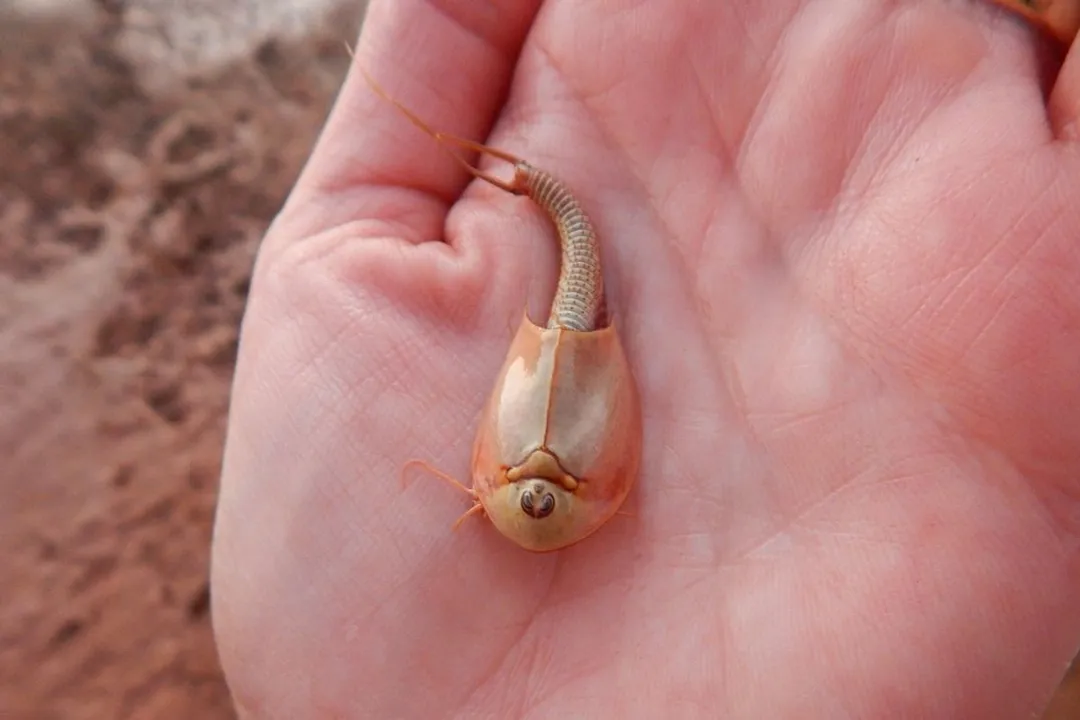
When conditions are right, the dormant cysts hatch into tiny tadpole-like creatures that must grow and reproduce before the water evaporates. The lifespan of this active adult phase is surprisingly short, often measured in weeks rather than years. [8] Depending on the species and environmental quality, a Triops might only live for a few weeks. [2] For instance, observations of Triops australiensis in controlled environments recorded individuals reaching only about 48 days of age. [7] This rapid life cycle is essential; if they do not mature and lay eggs before their puddle disappears, their immediate lineage ends. [8] This brevity in adult life is a trade-off for the longevity of their genetic material stored in their eggs. If you acquire a kit, expect this phase to be quick unless you are meticulous about maintaining optimal water chemistry and feeding schedules. [9]
# Dormant Decades
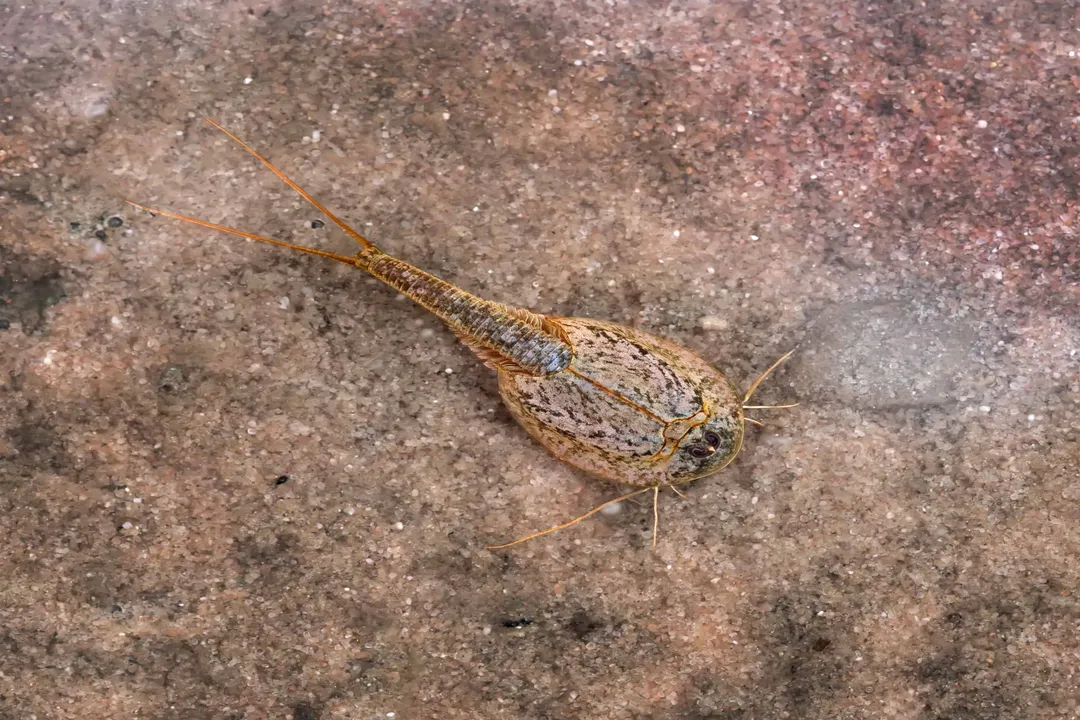
Where the active life falls short in duration, the egg stage compensates with astounding endurance. The cysts enter a state called diapause, a form of suspended development that allows them to withstand extreme dehydration and cold. [6] Information suggests that these tiny eggs can remain viable and capable of hatching for an astonishing period. Some reports indicate that Triops eggs can lay dormant for as long as 27 years. [4] Imagine a microscopic capsule of life waiting for nearly three decades beneath dried mud, holding the genetic blueprint for a creature that walked the Earth alongside dinosaurs. [4][5] This capability explains why they can "resurrect" in areas like the deserts of Fort Hancock, Texas, reappearing after heavy rains following long dry spells. [6] The ability to wait out catastrophic environmental shifts is the true mark of their survival expertise.
# Environmental Triggers
The duration of both life stages is governed entirely by external cues. In the wild, the activation of hatching requires specific temperature and moisture levels, which their eggs are exquisitely tuned to detect. [6] If the first rain is too brief or too cool, the eggs may wait for the next deluge, conserving their energy store. For those keeping Triops as pets, understanding these triggers is key to maximizing the time you get to observe them. A common mistake is introducing water that is too chemically treated or fluctuating the temperature too rapidly, which can prematurely end the active phase or fail to initiate hatching altogether. Keeping the water parameters stable—avoiding chlorine and maintaining a moderate temperature—is the closest hobbyists can get to providing the ideal temporary oasis they require. [9] Considering how sensitive the hatch rate is to slight deviations, a keen eye on water quality translates directly into a few extra days of active life for your shrimp. [8]
If you are monitoring the emergence of Triops in an area prone to intermittent rainfall, like the Southwestern United States, [3] try tracking the time between the first minor wetting event and the full, sustained inundation. The shrimp may be programmed to wait for the second significant watering, ensuring the pool has enough depth and permanence to support development, which offers a fascinating real-world example of their risk-averse, yet fast-paced, survival programming.

# Captive Care
When kept in an aquarium setting, the primary goal shifts from mere species survival to observation and enjoyment, meaning the lifespan becomes dependent on human intervention. [9] While an adult might only last a few weeks in the wild, providing a stable, filtered, and well-fed environment can sometimes extend their active life slightly beyond the minimum recorded figures, perhaps into the two-to-three-month range, though this is species-dependent and highly contingent on care quality. [8] However, even in the best captive conditions, the natural life cycle tends to run its course relatively quickly once maturity is reached, as they are genetically programmed for speed. The real success in keeping them often lies not in forcing them to live longer active lives, but in successfully harvesting and storing their cysts to repeat the cycle later, thus ensuring the legacy of their decades-long potential continues. [4] The longevity of the creature is, therefore, a measure of its species' success across millennia, rather than the measure of a single individual's life.
Related Questions
#Citations
Dinosaur Shrimp Facts & Photos | Wowzerful
Tadpole Shrimp - Bug Directory - Buglife
Dinosaur shrimp unchanged for 360 million years - Facebook
Discover the Incredible 3-Eyed Dinosaur Shrimp That Can Lay Eggs ...
Triops: Facts about the three-eyed 'dinosaur shrimp' | Live Science
Triops: Ancient Shrimp Return to Life After Desert Rainfall
Triops australiensis 48 days old a living fossile in my aquarium
Zoopedia: Triops - Lewis Twiby's Past and Present
Are Triops toys or creatures? - Triops King