How does the subterranean habitat potentially influence the metabolic rate of *Bipes biporus*?
Answer
It offers a buffered temperature zone, potentially reducing metabolic rate
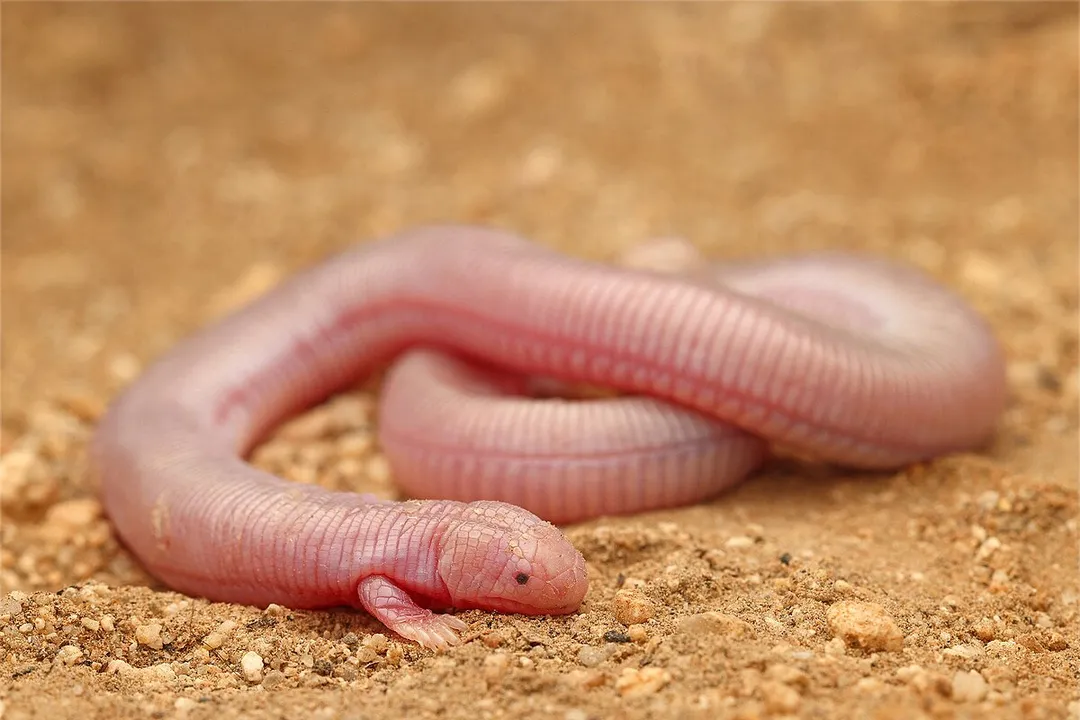
Living primarily underground provides *Bipes biporus* with significant environmental buffering compared to surface-dwelling reptiles. The stable, temperate underground environment mitigates extreme temperature fluctuations that surface animals must constantly combat through thermoregulation. This environmental stability translates to lower overall energy expenditure and potentially a reduced metabolic rate. A lower metabolic baseline, consistent with their slow, undulating movement, theoretically allows for less cellular wear and tear over time, which can correlate with extended individual survival, even if the exact years are unconfirmed.
Related Questions
What specific number of limbs does the Mexican mole lizard, *Bipes biporus*, possess?To which taxonomic family does the limbless reptile *Bipes biporus* belong?What is the primary reason reliable longevity figures for *Bipes biporus* are elusive?Where are *Bipes biporus* primarily found thriving in loose, sandy soils?How does the subterranean habitat potentially influence the metabolic rate of *Bipes biporus*?What typical food sources do *Bipes biporus* consume that they encounter underground?What key biological challenge does the lack of longevity data create for herpetoculturists dealing with *Bipes biporus*?How do *Bipes biporus* achieve locomotion underground without relying on typical lizard walking patterns?What observation about *Bipes canaliculatus* reinforces the knowledge gap concerning *Bipes biporus* lifespan?What process often leads to the incidental collection of *Bipes biporus* by humans?