How long do twig snakes live?
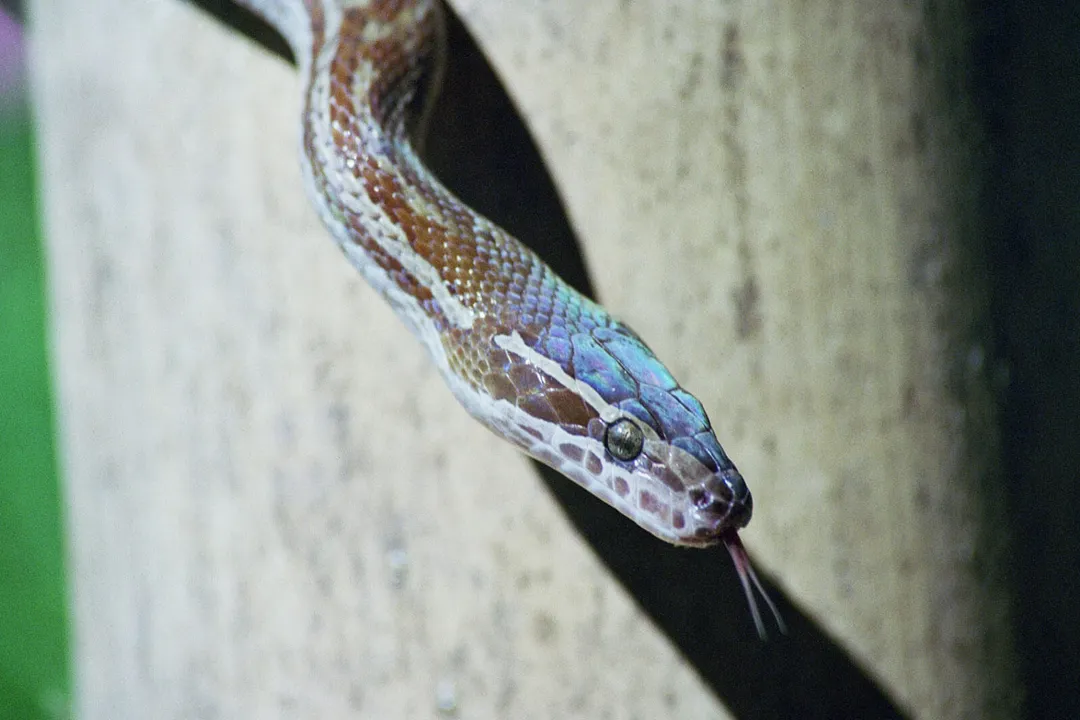
The exact age a twig snake reaches, whether coiled high in an African tree or observed in a controlled setting, is a question that herpetologists often answer with necessary caveats, as studying these elusive reptiles from egg to final breath is rarely possible in the wild. However, based on available field observations and captive records, the Thelotornis capensis, often referred to simply as the Savanna vine snake, is estimated to have a lifespan ranging from eight to twelve years in its natural environment. This figure provides a baseline, though it represents an average that is heavily influenced by the many dangers endemic to its subtropical and scrub forest habitats across Southern Africa.
# Species Range
The common name "twig snake" generally applies to the genus Thelotornis, which encompasses several recognized species, all native to Africa. These snakes are distinguished by their slender, elongated bodies, pointed snouts, long tails, and the characteristic horizontal, keyhole-shaped pupils that grant them a degree of binocular vision. While the T. capensis (Savanna vine snake) is specifically cited with the 8-12 year estimate, the genus also includes the Forest vine snake (T. kirtlandii), the Eastern vine snake (T. mossambicanus), and the Usambara vine snake (T. usambaricus). Other regional names, such as "Bird Snake," are also applied to members of this genus. Furthermore, the closely related Cape Twig Snake is recognized, evidenced by the recent announcement of its first-ever successful hatching in North America at the Sedgwick County Zoo.
# Longevity Comparisons
To place the eight-to-twelve-year estimate for the T. capensis into context, it is helpful to consider the projected lifespans of other Southern African species documented by field researchers. For instance, a researcher familiar with snakes in the Kloof Conservancy area suggests that the T. capensis mossambicanus is likely in the same longevity class as the Boomslang (Dispholidus typus), though the author doubts many wild Boomslangs survive past their "old teenagers" due to heavy predation, particularly from raptors. This suggests that the environmental pressures in the wild might keep the upper end of the twig snake's expected range constrained. In contrast, a fossorial species like the Natal Black snake (Microlaps microlepidotus) is speculated to reach the late teens in the wild. Even more long-lived are speculated to be the ambush-feeding Puff adders (Bitis arietans), which might reach the 20 to 30 years bracket.
When considering longevity, it is crucial to note that estimates for wild snakes often draw from knowledge gained through captive breeding records. This reliance on captive data highlights a significant point: without constant monitoring in the wild, a lifespan determined in captivity, where external threats are removed, may not reflect the reality for most individuals in their native range.
# Captive Life Versus Wild Survival
The gap between potential and actual lifespan often separates the wild existence from life in a controlled enclosure. Snakes in the wild face an array of challenges that naturally truncate their lives, including the availability and scarcity of food sources, competition, exposure to harsh weather, and constant danger from predators. Baby snakes, in particular, are highly vulnerable to being consumed by larger reptiles, mammals, and birds. Furthermore, habitat loss due to human development poses an ever-present threat that shortens the expected life of any wild reptile.
The lifespan figures for many snakes are dramatically extended in human care. General observations on pet snakes show that species like the boa constrictor or ball python can regularly survive for 25 to 30 years or more under proper husbandry. For the twig snake, while specific long-term captive records are less frequently cited than for common pets, the fact that facilities like the Sedgwick County Zoo have achieved successful hatchings suggests a growing, if specialized, interest in their captive management. If a twig snake in the wild has to contend with the constant energy expenditure of hunting and predator avoidance, a captive individual benefiting from consistent, high-quality prey and stable thermal conditions has a significantly higher chance of attaining its maximum potential age, which may approach the higher end of the 12-year estimate or perhaps even exceed it.
# Factors Modifying Life Expectancy
The Thelotornis genus is built for stealth, a survival mechanism that inherently contributes to longevity. Their cryptic coloration, mimicking the vines and branches where they spend much of their time, makes them incredibly difficult to spot, meaning they may be more numerous in an area than casual observation suggests. This camouflage, paired with their habit of remaining extremely still—sometimes swaying gently like vegetation—allows them to conserve energy and avoid detection by both predators and prey.
Their highly potent, hemotoxic venom, delivered by rear-facing fangs, is effective, though the delivery mechanism requires the snake to bite and hold on for the venom to fully take effect, which is unusual for many snakes. Paradoxically, this dangerous trait might contribute to a longer life by deterring all but the most persistent predators, provided the snake avoids becoming a target of human conflict. The rarity of human fatalities is attributed to their shy nature and the specialized way a bite must occur to deliver a substantial dose, often limiting serious envenomations to experienced handlers.
Considering the specialized arboreal lifestyle of the twig snake, its lifespan in the wild is likely influenced by the density and structure of the trees it inhabits. A mature woodland offering ample hiding spots and a stable population of lizards, frogs, and small birds—their primary prey—will naturally support healthier individuals capable of reaching the upper limits of their natural lifespan. If the primary habitat is fragmented or disturbed, the snake may be forced into terrestrial hunting more often, increasing its risk of predation or accidental death, thus pushing its average lifespan toward the shorter end of the 8- to 12-year spectrum.

# Husbandry Context
The successful reproduction of the Cape Twig Snake in a North American zoo is a notable achievement that speaks to the dedication of herpetological institutions. Such events provide invaluable data points for understanding the full life cycle, including gestation or incubation requirements, which are vital components of determining true maximum longevity. While the snake's venom requires specialized knowledge for handling, its successful maintenance in a zoo setting confirms that, when provided with an environment mimicking the food sources and security of its natural home, the twig snake can thrive well enough to reproduce, suggesting its life expectancy in ideal captivity would be well-supported.
# Longevity Summary Table
While specific, confirmed data for every Thelotornis species is often elusive, a comparative summary based on available estimates for this genus and related African species illustrates the general longevity profile:
| Species Group | Estimated Wild Lifespan | Context/Notes |
|---|---|---|
| Twig Snake (T. capensis) | 8–12 years | Most common specific estimate found for the Savanna vine snake. |
| Boomslang (D. typus) | Uncertain, likely short of maximum | Not expected to live long past teenage years due to raptor predation. |
| Natal Black Snake (M. microlepidotus) | Late teens (speculative) | Fossorial nature makes tracking difficult; higher estimate than the twig snake. |
| Puff Adder (B. arietans) | 20–30 years | Largest estimate among those compared, likely due to ambush tactics and camouflage. |
Ultimately, the answer to how long a twig snake lives hinges on whether we are observing one in the complex, unpredictable environment of the African bush or one under the consistent, protective care of a specialized facility. The general consensus places the wild lifespan firmly within the first decade of life, though their excellent camouflage suggests that the individuals that successfully navigate those years have mastered the art of survival.
Related Questions
#Citations
Twig snake - Wikipedia
Thelotornis kirtlandii (Forest Vine Snake, Bird ... - Animal Diversity Web
How long do some of our (Kloof) snake species live?
Twig Snake - Thelotornis capensis - A-Z Animals
How Long Do Snakes Live? Depends on Species and Habitat
Southern Vine Snake - African Snakebite Institute