How long do grey mouse lemurs live?
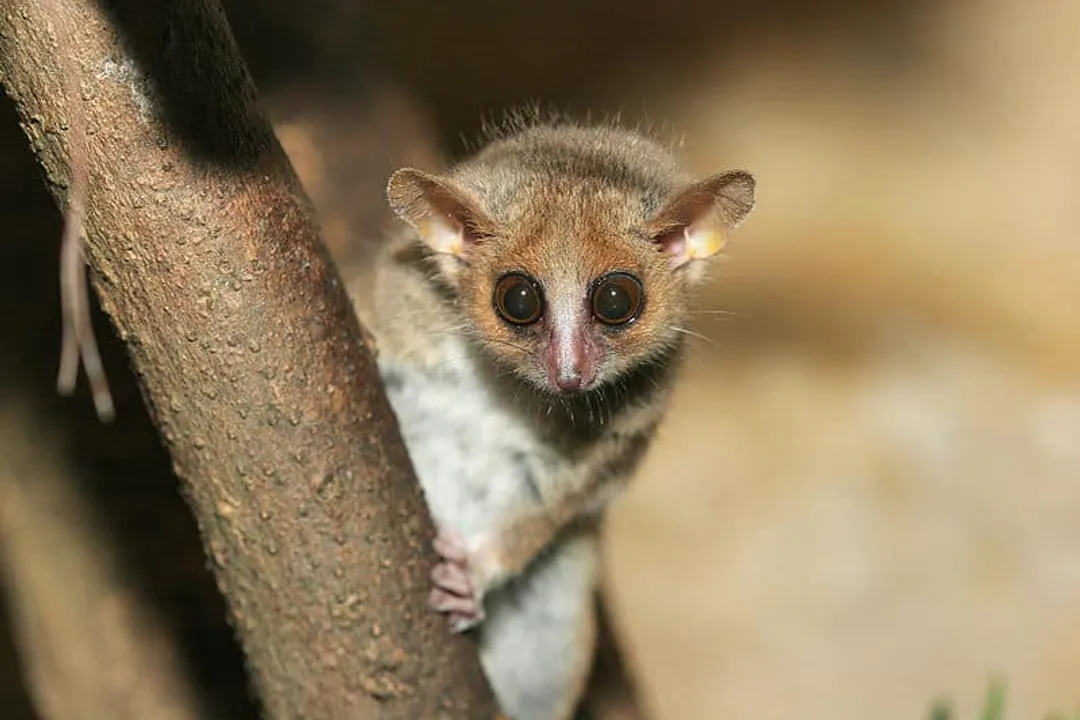
The sheer contrast in how long the grey mouse lemur (Microcebus murinus) survives depending on its environment is one of the most striking details about this tiny primate. While a grey mouse lemur in the wild is often expected to live for a relatively short span, those under human care have demonstrated remarkable longevity, sometimes living for more than four times their wild average. This dramatic difference offers scientists a unique window into the aging process itself, given that this species is often used as a model organism in gerontology studies.
# Wild Survival
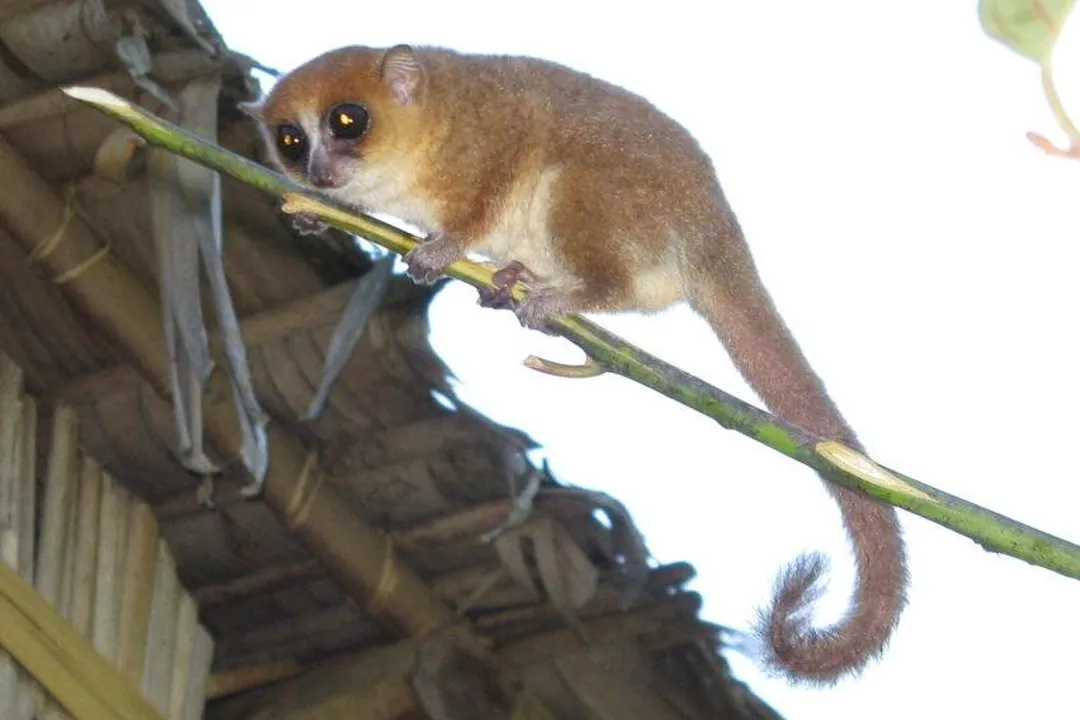
In their native environment—the forests of Madagascar—the typical lifespan for a grey mouse lemur hovers around three to five years. This short existence reflects the intense pressures faced by small, nocturnal animals in the wild. Life in the trees presents constant threats from predators, and the struggle for consistent access to food and safe nesting sites takes a significant toll on the body over time. For a primate, even one as diminutive as the mouse lemur, a maximum projection of just five years in the wild is exceptionally brief.
The species is known for its small stature, usually weighing between 50 to 70 grams, making it one of the smallest primates in the world. Their size is both an advantage for navigating dense foliage and a disadvantage when competing for resources or avoiding detection by nocturnal hunters. When considering the known maximum lifespan of only about five years in natural settings, it suggests that high mortality rates due to environmental factors prevent the vast majority of individuals from reaching advanced age.
# Captive Lifespans

When grey mouse lemurs are housed in protected settings, such as specialized research facilities or conservation centers, their life expectancy shifts dramatically. Records consistently show that they can thrive for over 20 years in captivity. Even more impressive are the reported maximums, with some individuals documented reaching ages of 23 years.
This significant increase—from a five-year maximum in the wild to over twenty years under controlled conditions—is not unique to this species, but the ratio is substantial for such a small creature. In controlled environments, the variables that typically truncate life in the wild—predation, inconsistent food supply, and exposure to the elements—are essentially eliminated. This allows researchers to observe the natural biological aging process relatively unimpeded by external stressors.
| Environment | Typical/Maximum Lifespan | Primary Limiting Factors |
|---|---|---|
| Wild | 3 to 5 years | Predation, resource scarcity, disease |
| Captivity | Over 20 years (Max 23) | Biological senescence, health maintenance |
If we look at the data points—a wild maximum of about five years compared to a captive record of 23 years—this represents an extension of life expectancy by a factor of nearly five times. Thinking about the implications for a small mammal, most species of comparable size live only a few years regardless of environment, making the Microcebus murinus an anomaly in how far its biological potential can be pushed when life's harsh realities are removed. Their extended captive life allows scientists to track physiological changes over a much longer period relevant to human understanding of aging.

# Research Context
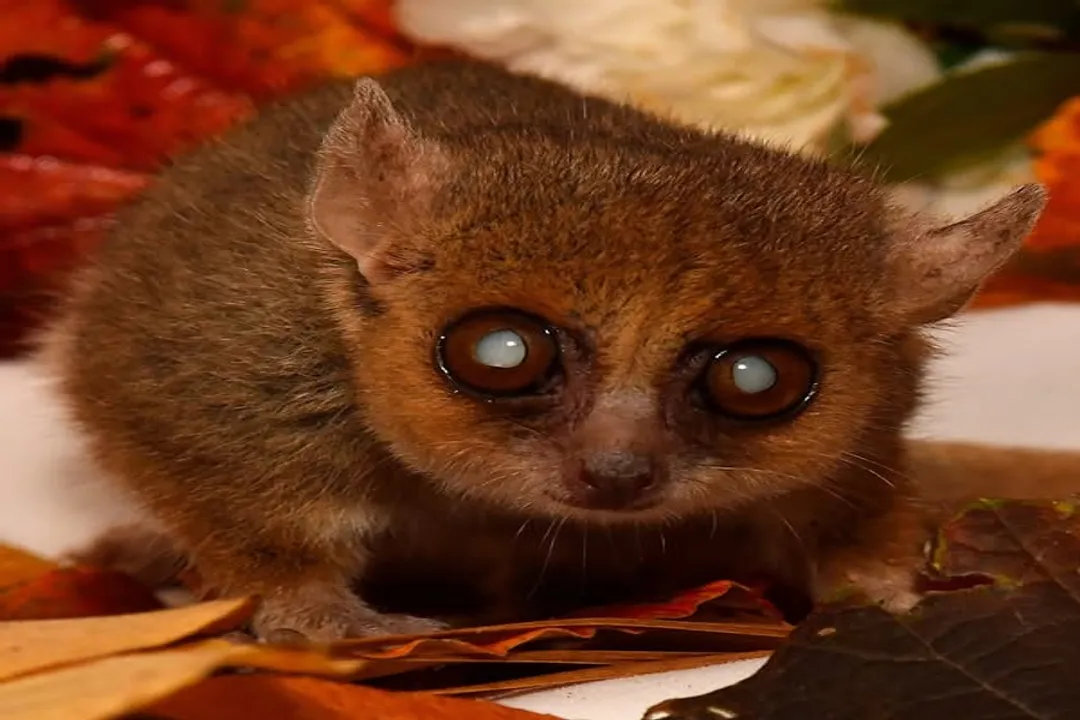
The very trait that makes their wild life short—rapid aging linked to small size—also makes them invaluable tools for studying senescence. Researchers studying the genetics of aging often seek out small mammals that age quickly to observe changes over a shorter research timeline. However, the grey mouse lemur presents a fascinating dual system: a fast-aging wild population and a slow-aging captive one.
The fact that M. murinus can live for two decades or more in care means that while they are small, their biological aging timeline is slower than might be predicted based on body size alone, especially compared to similar-sized shrews or mice whose lifespans rarely exceed a few years even with excellent care. This variation suggests flexibility in their aging pathways, which researchers are keen to map out. Studying the molecular differences between a five-year-old wild lemur and a twenty-year-old captive lemur can reveal which specific cellular processes are accelerated by environmental stress and which are fundamental to the species' inherent biological clock.
# Habitat Facts
To fully appreciate the environmental challenges influencing their short wild tenure, it helps to recall where these creatures reside. Grey mouse lemurs are endemic to Madagascar. They inhabit both rainforests and dry deciduous forests, remaining active throughout the night. They generally weigh about 50 to 70 grams and measure around 13 to 16 centimeters in head-and-body length, often adding another 13 to 20 centimeters with their tail. They are omnivorous, relying on a diet of fruits, insects, nectar, and gums. This reliance on varied but sometimes seasonally unpredictable food sources adds another layer of difficulty to their survival over many years. Their small size means they rely heavily on tree cavities and dense vegetation for protection during the day, making habitat quality directly linked to their short life expectancy.
Related Questions
#Citations
Gray mouse lemur - Wikipedia
Grey Mouse Lemur - Microcebus murinus - A-Z Animals
Meet our Golden Girls! While gray mouse lemurs only live 3-5 years ...
Mouse Lemur - an overview | ScienceDirect Topics
AnAge entry for Microcebus murinus
Gray Mouse Lemur - Facts, Diet, Habitat & Pictures on Animalia.bio
Gray lesser mouse lemur | Research Starters - EBSCO
Gerp's Mouse Lemur, Microcebus gerpi
[PDF] Mouse Lemurs