How long do Kinder goats live for?
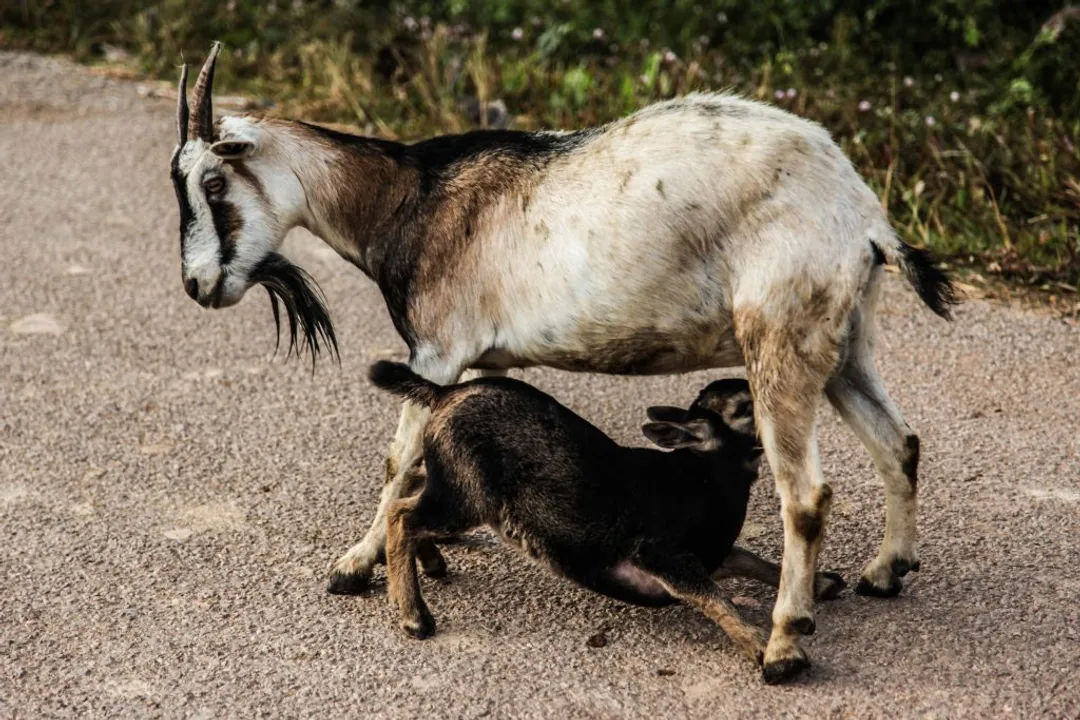
The Kinder goat, a dual-purpose breed developed from crossing Pygmy and Nubian stock, has steadily gained recognition among homesteaders for its efficiency in producing both quality milk and meat. For anyone considering bringing these curious and intelligent animals into their fold, understanding their expected lifespan is a key component of long-term commitment planning, much like deciding on a canine companion. While the numbers vary slightly across different keeper experiences, the general consensus places the Kinder goat firmly in the 'long-lived' category for livestock, often exceeding the typical expectations for many other farm animals.
# Average Years
When asking how long a Kinder goat remains a productive, healthy member of the herd, sources offer a reassuring average, often centering around 15 years. This places them well ahead of some other breeds, where a decade or a decade and a half might represent the upper limit. However, it is crucial to note the distinction in longevity between the sexes within this breed. The data suggests that the maternal lines tend to have the greatest staying power; nanny goats are often cited as being quite capable of reaching 20 years or more with excellent management. Conversely, the intact males, or bucks, tend to have a slightly shorter run, frequently living in the 8 to 12-year range, a pattern often attributed to the physical toll of the rutting season.
This 15-year average is a strong baseline, and one documented case from the early days of the breed noted an original doe, born in 1986, still thriving at age 15 in 2001. For those managing wethers—the castrated males—the lifespan can potentially stretch even further, sometimes reaching the mid-teens and occasionally beyond, especially when they are kept purely as pets without the constant demands of breeding or heavy milk production. Recognizing these different potential endpoints is the first step for any prospective owner to understand the scope of the commitment involved.
# Workload Effect
The difference between a pet goat and a working goat is often measurable in years added or subtracted from that overall average. When comparing lifespan data, a clear pattern emerges that highlights the physical cost of production. For instance, does that are bred and milked heavily throughout their prime years might see their productive careers wind down closer to the 10- to 12-year mark. This is understandable, as frequent pregnancies, kidding, and sustained high milk output place significant demands on a doe’s body condition and resources. In contrast, non-working animals, such as wethers or does intentionally kept dry for periods, have shown tendencies to live longer, sometimes pushing toward 17 years.
This observation leads to a practical takeaway for those maximizing the dual-purpose nature of Kinders. While their heritage makes them incredibly efficient converters of feed to product, pushing their physical limits annually can shorten their tenure. A prudent owner might plan for a slight reduction in breeding or milking frequency in a doe’s later years—say, after age 9 or 10—to help her maintain condition and extend her healthy life into her later teens.
To illustrate this variability based on management style, consider the general expectations:
| Goat Type/Workload | Typical Lifespan Expectation | Key Determining Factor |
|---|---|---|
| Buck (Intact Male) | 8 – 12 Years | Physical stress of the rut |
| Doe (Heavy Producer/Breeder) | 10 – 15 Years | Energy demands of consecutive kiddings/lactation |
| Wether/Pet Goat | Mid-Teens to 20+ Years | Minimal physical stress, managed diet |
This table underscores the concept that while genetics provides a good framework, the owner’s daily decisions create the final outcome in terms of years of companionship and productivity.
# Breed Hardiness
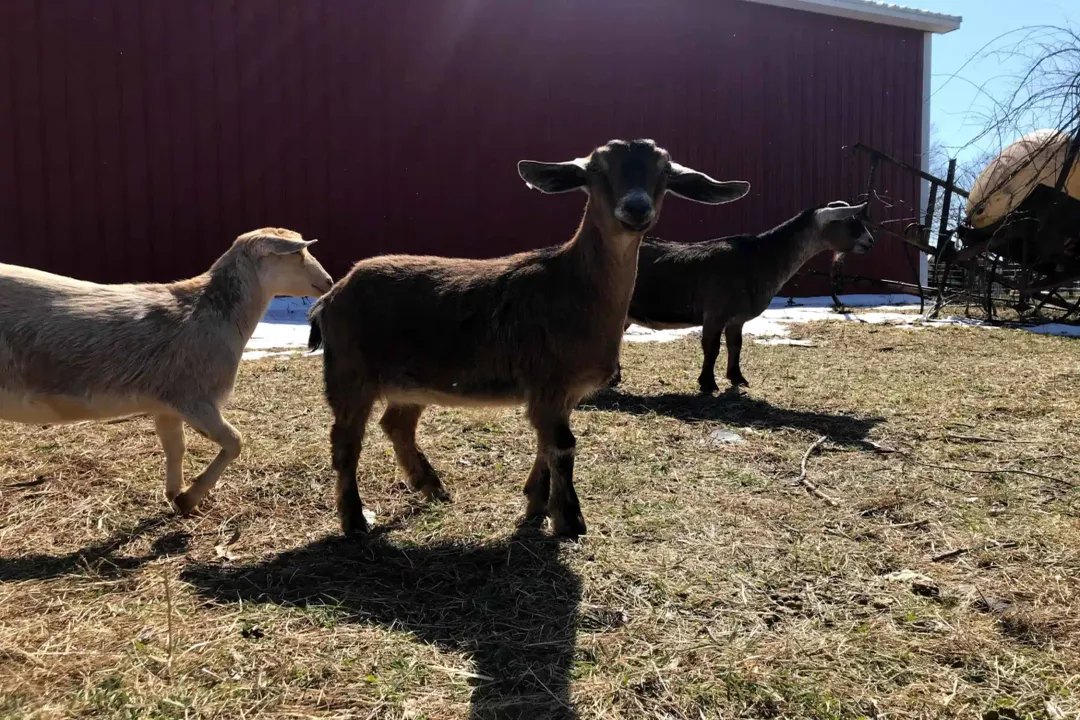
One of the top selling points for the Kinder breed, and a major contributor to their respectable lifespan, is their inherent hardiness. This trait is rooted in their mixed ancestry; breeders have been selective about passing on desirable characteristics, resulting in a robust animal. Kinders demonstrate a notable resistance to health issues that commonly plague other goat populations.
Specifically, they are often cited as being more resilient to the constant threat of internal parasites than some other breeds. Parasites are widely acknowledged as one of the leading causes of premature death in goats, so a breed with better-than-average natural resistance has a built-in advantage for longevity. Furthermore, Kinders generally exhibit better resistance to goat pneumonia, a common killer, especially in damp or drafty housing conditions. This natural robustness means that owners may encounter fewer acute, life-threatening illnesses in their Kinders, allowing more time for the natural aging process to occur.
Their efficiency as browsers also supports their health. Kinders thrive on a diet emphasizing browse—shrubs, twigs, weeds, and grass—which can reduce reliance on purchased feed and mimics a more natural diet. A well-balanced diet, rich in necessary fiber and minerals, is the single most important factor in promoting a long, healthy life.
# Extending Years
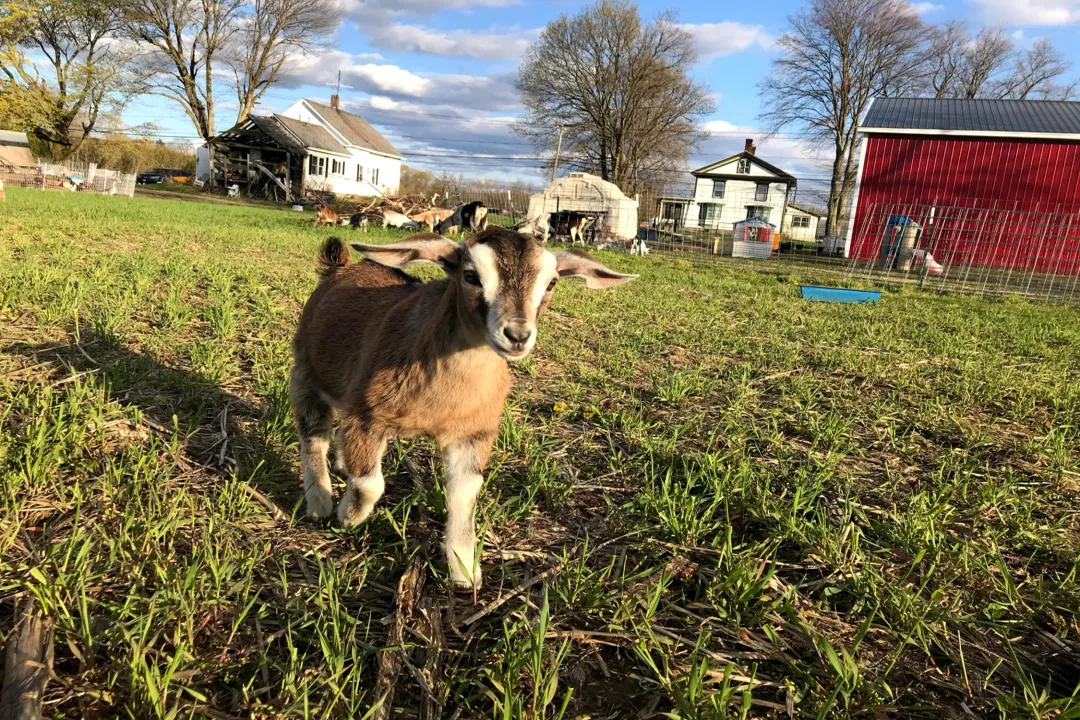
If the goal is to see a Kinder doe reach that extraordinary 20-year milestone, management practices must focus on supporting high production while preventing the setbacks that drastically shorten life. Since Kinders are naturally prolific, often delivering triplets, quadruplets, or even more kids in a single birth, the recovery period after kidding is critical.
For a doe to successfully bounce back and remain healthy enough to breed again without depleting her reserves, her nutritional input post-kidding must be exceptional. It is not enough for her to simply survive the birth; she needs the energy to produce milk for her multiple offspring and recover her own body condition. If a doe struggles to regain body condition after birthing a large litter, it signals a severe drain that could lead to health crises down the line, potentially manifesting as premature tooth loss or inability to sustain weight later in life. Therefore, while the breed's high kidding rate is fantastic for meat or dairy yield, an owner should closely monitor the doe's recovery in those first few months to ensure she isn't over-stretching her physical capacity year after year. The combination of excellent genetics for hardiness and meticulous feed management—ensuring proper loose mineral intake and avoiding the common pitfall of obesity in pet lines—is what converts the 15-year average into a potential two-decade reality for the best nannies in the herd.
Related Questions
#Citations
Kinder Goat - Capra aegagrus hircus - A-Z Animals
What are Kinder Goats? - The Best Goat Breed for Homesteaders
Frequently Asked Questions - Kinder Goat Breeders Association
Kinder Goats - The Best Goats You've Never Heard Of
Typical goat lifespan? : r/goats - Reddit
What to Know About Miniature Goats - WebMD
How Long Do Goats Live? - The Thrifty Homesteader
Kinder goats — A small breed for milk and meat