Do basilisk lizards live in Florida?
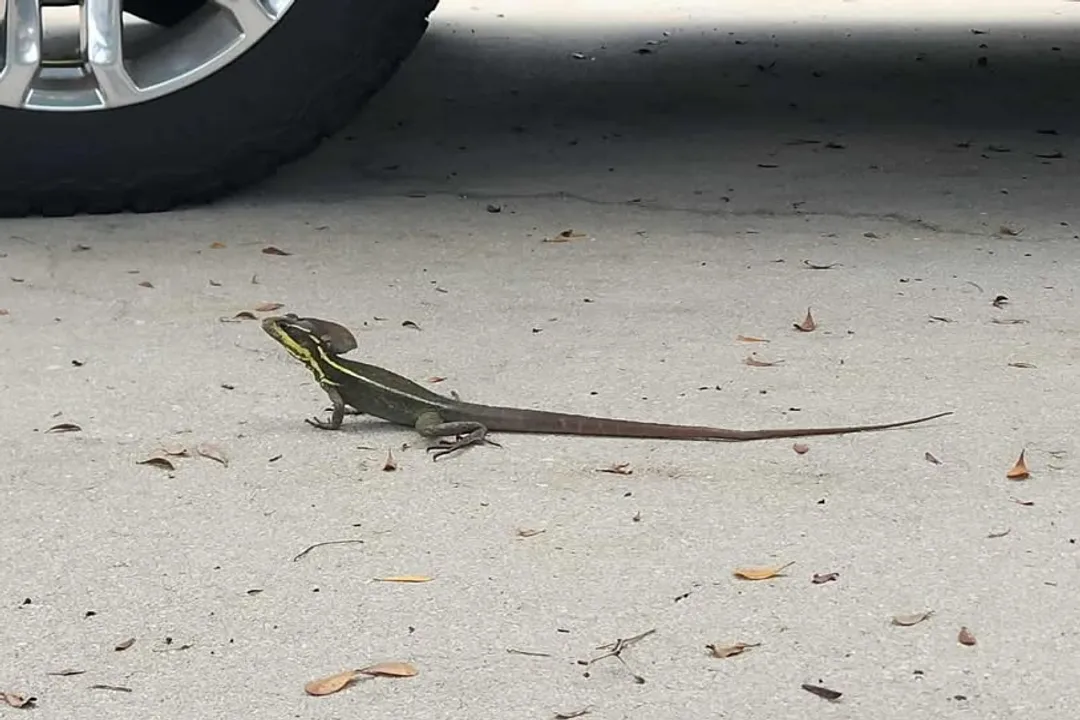
The presence of certain striking, nonnative reptiles in Florida is a reality that often surprises residents, and perhaps none is more famous for its dramatic behavior than the basilisk lizard. [8] These lizards, particularly the Brown Basilisk (Basiliscus vittatus), have established populations in parts of the Sunshine State, leading to both fascination and concern among scientists and the general public. [5][7] While many might associate the basilisk with a distant, tropical setting, their distinct habitat in Florida is now a recognized feature of the state's urban and suburban ecosystems. [8]
# Water Walker
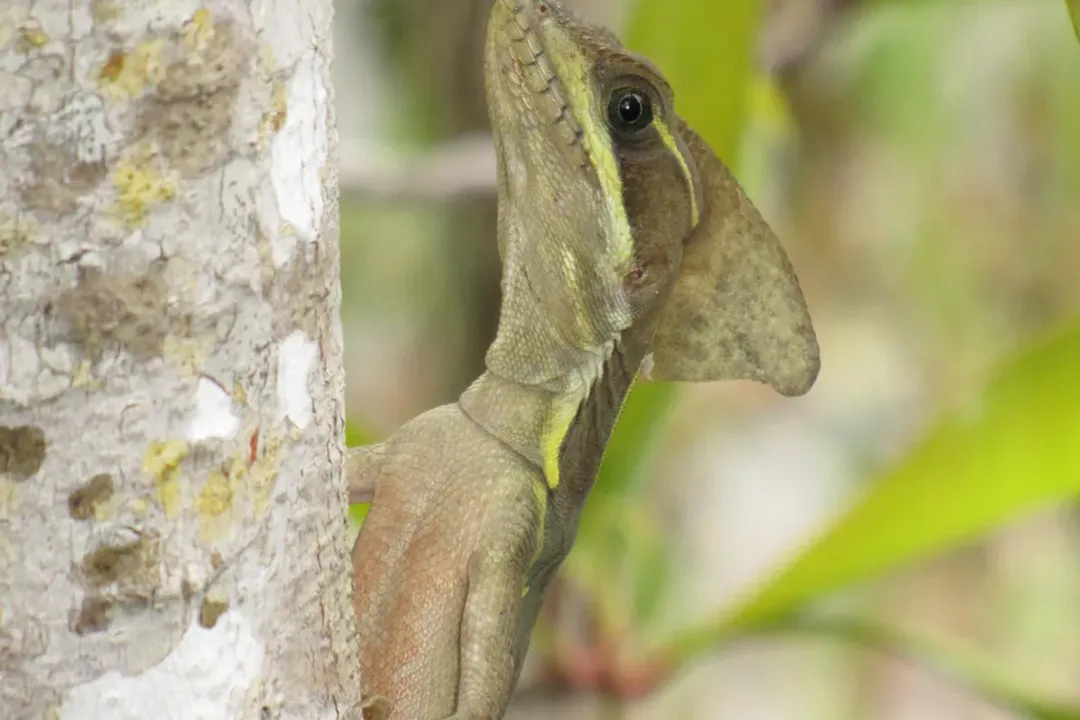
The most defining characteristic that brings the basilisk into the public eye is its astonishing ability to literally run across the surface of water. [3][4] This feat has earned it the vivid, if perhaps overly dramatic, nickname "Jesus Lizard" or "Jesus Christ Lizard". [2][4][7] This behavior is not magic; it is an intense burst of speed combined with specialized anatomy. When threatened, the basilisk can rapidly slap its large, webbed rear feet against the water, creating temporary air pockets that support its weight long enough to propel it across a pond or stream section before sinking. [3]
This running ability is generally employed as a last-resort escape mechanism when startled or fleeing a predator. [3] It showcases an extreme adaptation to riparian or wet environments where quick, unobstructed movement is necessary for survival. [1] Observing this in a local Florida retention pond or canal is certainly a memorable wildlife encounter, distinguishing it immediately from the state's native anole or skink populations. [2]
# Nonnative Status
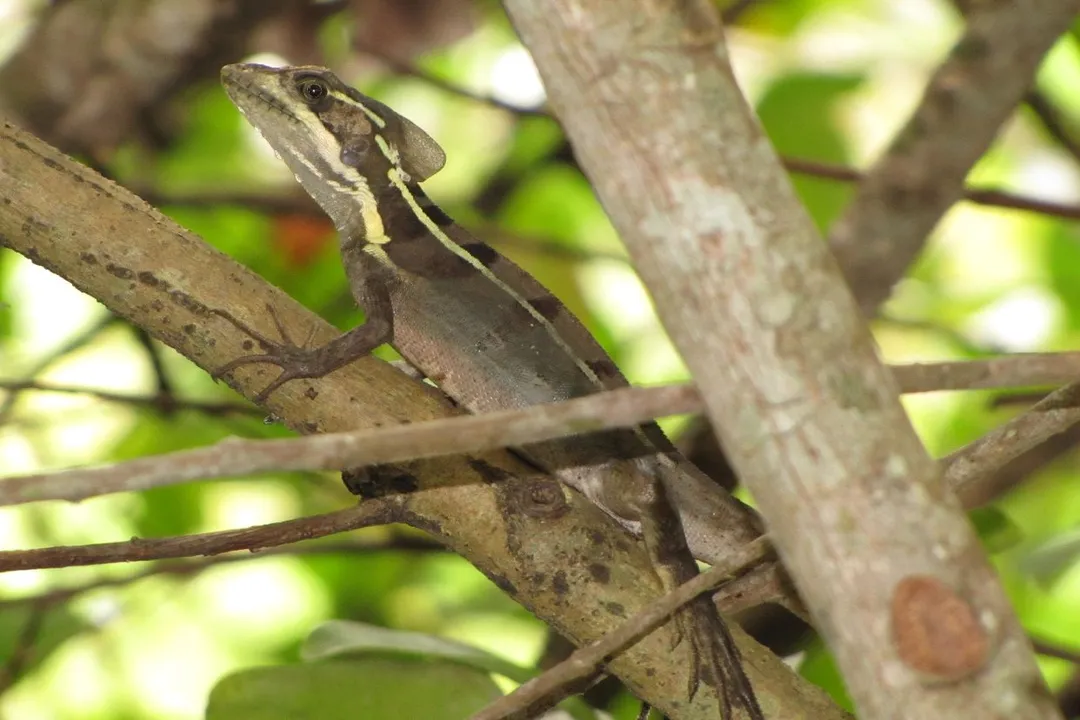
It is critical to understand that the basilisk lizard is not a native Floridian resident. [5][8] The species being encountered—the Brown Basilisk—originates elsewhere, though its introduction to Florida happened likely through the pet trade, either via intentional release or accidental escape of abandoned or released pets. [5] This introduction pathway is common for many of Florida’s well-known exotic species.
The distinction between native and nonnative is vital because the state's native reptiles have evolved alongside local predators, prey, and climate conditions. [1] A nonnative species introduces an entirely new variable into that established ecological balance. The fact that they have managed to establish self-sustaining populations in areas like South Florida confirms that the local climate is suitable for their long-term survival, which moves them beyond a mere transient curiosity into the realm of established exotic residents. [2][8]
# Invasion Threat
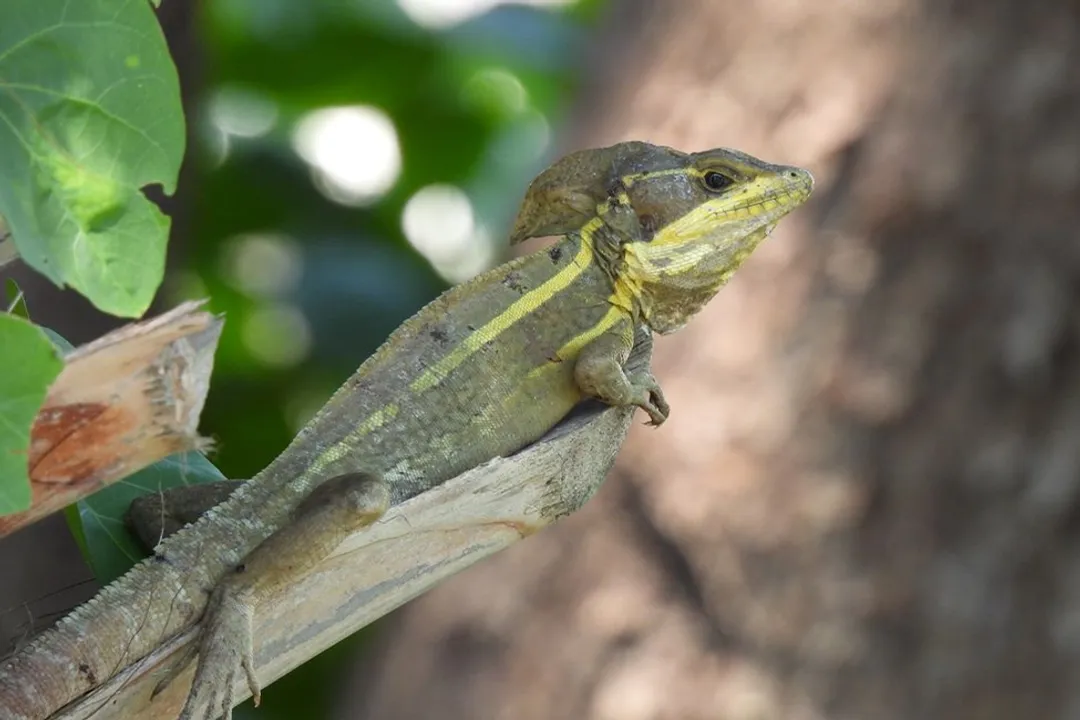
When a nonnative species establishes a permanent foothold, it often enters the category of "invasive" if it begins to cause ecological or economic harm. [5] For the Brown Basilisk, scientists are actively monitoring the situation because of the potential negative consequences for Florida's native fauna and flora. [7] The urgent request from university researchers for residents to report sightings underscores the seriousness of the concern regarding their spread. [5]
The concern isn't just theoretical. Invasive species can compete directly with native wildlife for resources, such as insects or small vertebrates, potentially displacing them. [1] Furthermore, while the lizard’s primary defense is its water-running escape, they are still opportunistic predators themselves. In environments where they become numerous, they can impact local invertebrate and small vertebrate populations. There is also an environmental concern regarding the long-term effects on the native ecosystem structure that scientists aim to prevent before the population density becomes too high to manage effectively. [7]
# Citizen Reporting
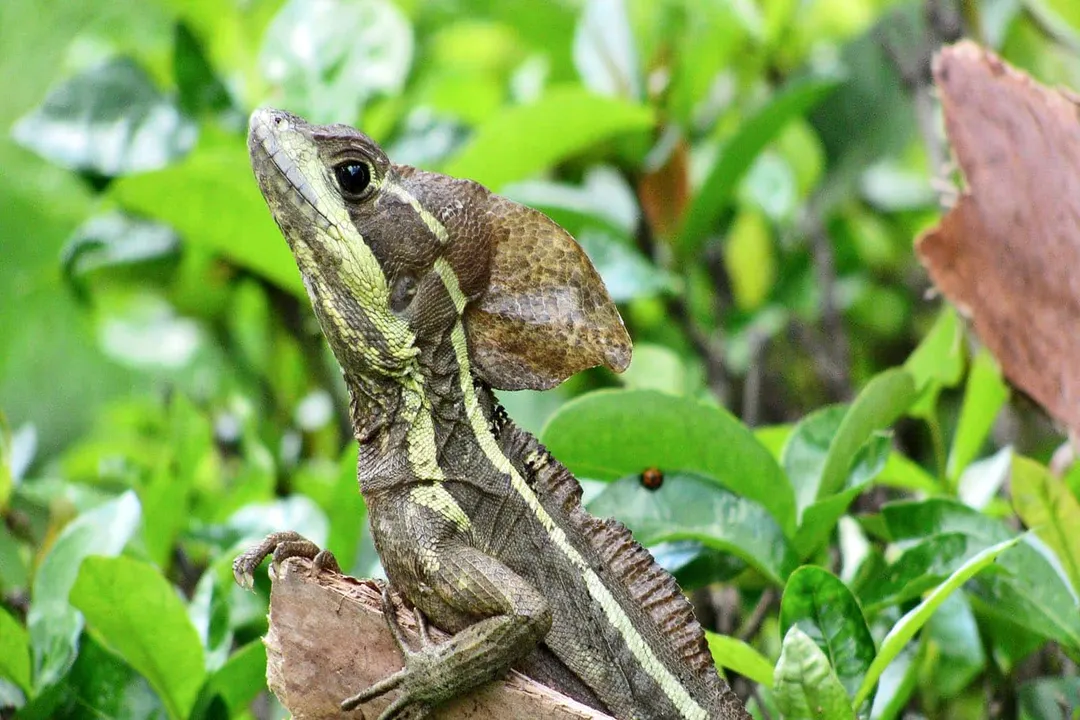
Because tracking the spread of emerging nonnative populations is difficult and resource-intensive for official agencies alone, the cooperation of the public is becoming an essential component of early detection efforts. [5] Scientists from institutions like the University of Florida's Institute of Food and Agricultural Sciences (IFAS) are specifically seeking reports from residents who encounter these nonnative lizards. [5]
This public involvement creates an unofficial, wide-ranging monitoring network. When a resident spots a basilisk—perhaps sunning on a fence or making its famous dash across a pool—reporting that location provides valuable data points. [6][8] The sooner researchers confirm the extent of an invasion, the more focused and potentially successful control or management strategies can be implemented to prevent widespread establishment. [5]
To make reporting effective, identifying the creature correctly is key. While the water-running is a telltale sign, knowing general features helps. The Brown Basilisk is typically a slim lizard, often reaching lengths up to 30 inches, though much of that length is the tail. [2] Males often display vibrant green, yellow, or blue markings, while females tend to be duller, often brown or grayish. [2] If you suspect you have seen one, documenting the location is paramount, as this information helps map the leading edge of the population's expansion. [5]
If you are an enthusiast who enjoys encountering these nonnative species, as some residents are, it is still important to prioritize responsible reporting over simply observing them in isolation. [8] The data you provide helps protect the very environment that allows for this fascinating, albeit unwelcome, wildlife encounter to continue in the future. [7]
# Analyzing the Spread Vector
The fact that scientists are urgently seeking reports for early detection suggests that the invasion front is likely still patchy, meaning there are areas where the lizard is successfully reproducing but has not yet reached maximum saturation. [5] In many invasive species scenarios, the initial detection occurs only after the population has already reached a critical density, making eradication impossible. The current appeal hints that Florida might still be in the window where proactive efforts could contain or eliminate isolated, successful breeding groups before they merge into a continuous, widespread threat across a region like South Florida. [5] This proactive stance is superior to management that only begins once the lizard becomes as common as, say, the Cuban tree frog, another well-known Florida invader.
# Identification and Risk Comparison
When observing any lizard in Florida, differentiation from native species is always the first step. The native Green Anole, for example, is much smaller and lacks the specialized feet for bipedal, water-surface running. [1] A key differentiator for the basilisk, even when not running on water, is the presence of a prominent crest, particularly on the back and head of the males. [2] This crest structure can sometimes be seen when the lizard is basking or alert. Considering the potential harm mentioned regarding both people and the environment, it is helpful to place the basilisk's threat level in context. While direct, aggressive interaction with humans is rare, any established, fast-reproducing nonnative reptile that competes with native insectivores or small amphibians presents a quantifiable drain on local biodiversity resources. [7]
For local gardeners or homeowners, a useful, practical distinction might be based on preferred basking spots. While anoles are frequently seen on vegetation and fences, the basilisk, with its affinity for water sources, is often found near the edges of ponds, canals, or damp ditches, waiting for an opportunity to flee across the surface if disturbed. [1][3] Understanding these subtle behavioral differences can aid in correct identification during routine property checks, allowing a resident to quickly determine if they have seen a harmless native or an animal requiring official reporting. [5]
The ongoing situation with the basilisk lizard in Florida serves as a constant reminder of the ecological pressures facing peninsular environments. It highlights the delicate balance of ecosystems and the continuous need for both scientific vigilance and public awareness to manage the influx of exotic species that arrive, often unintentionally, from other parts of the world. [7] The ability to run on water makes them unique, but their status as a potentially harmful invader makes them a serious subject of ecological management. [5][7]
#Videos
BASILISKS in FLORIDA and WE CAUGHT SOME? - YouTube
Related Questions
#Citations
WEC-452/UW497: Brown Basilisks in Florida
'Jesus lizard' in Florida: What to know about brown basilisks
BASILISKS in FLORIDA and WE CAUGHT SOME? - YouTube
The Jesus lizard! That's what the brown basilisk is nicknamed ...
Scientists urgently seek Florida residents to report nonnative lizards ...
The population of brown basilisk lizards has been growing in Florida ...
Invasive 'Jesus Christ Lizard' could be harmful to people, Florida's ...
One of my favorite non-natives to encounter in Florida; Brown ...
Scientists want help finding these 'Jesus' lizards - Futurity.org