What primary staple might coastal gray wolves rely upon during spawning runs?
Answer
Salmon.
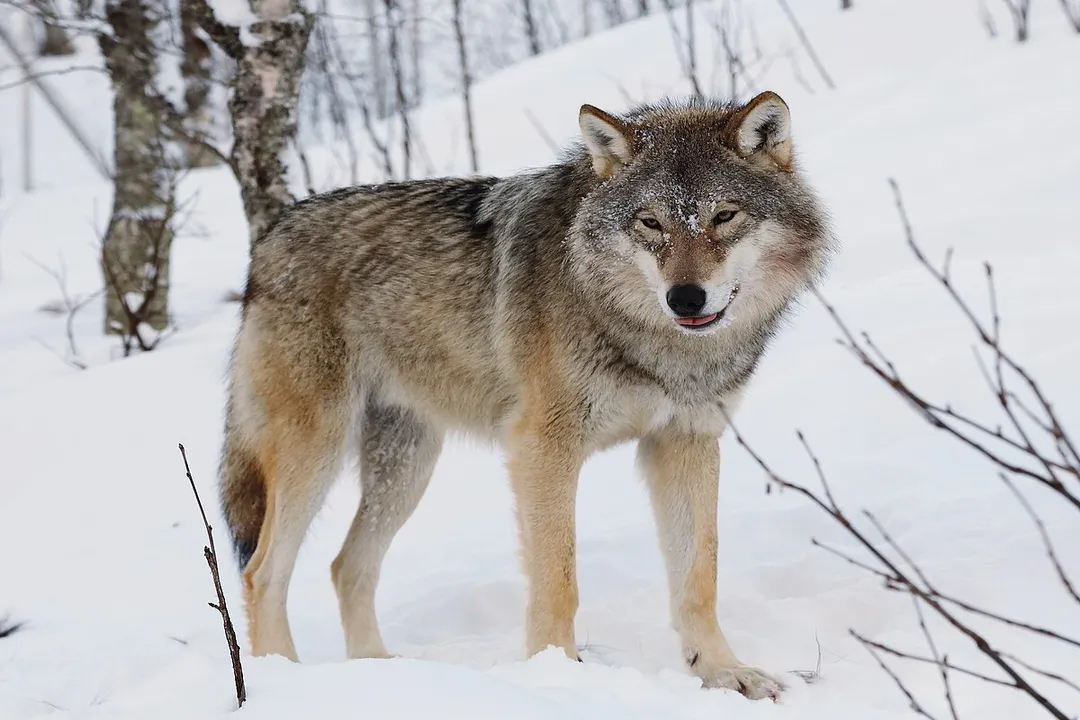
The diet of the gray wolf exhibits profound flexibility, changing dramatically based on the available resources within specific geographic habitats across continents. A clear example of this ecological variation is seen in coastal populations. Unlike interior continental packs whose caloric engine is driven by deer and elk, wolves residing in coastal regions may shift their primary focus dramatically to take advantage of seasonal abundance. During the time when salmon migrate upstream during their spawning runs, these fish can become a significant, if temporary, staple food source for the local wolf packs, demonstrating that the menu selection reflects immediate availability rather than inherent, unchangeable preference.
Related Questions
How much meat can a single gray wolf consume in one sitting?What is the ecological function of gray wolf pack hunting targeting weak ungulates?What is the main nutritional contribution of berries and fruits to the gray wolf diet?What cycle structure dictates the gray wolf feeding pattern instead of steady grazing?Which group of animals are listed as secondary sources supplementing the gray wolf diet?What primary staple might coastal gray wolves rely upon during spawning runs?Why are wolves not considered strictly obligate carnivores like some other species?Which food sources provide the necessary fat and protein for gray wolf survival through harsh winters?What critical ecological reality does the human comparison to the Paleo diet often fail to account for?In which environmental conditions does scavenging for carrion become a more frequent survival tactic for wolves?