What critical ecological reality does the human comparison to the Paleo diet often fail to account for?
The necessary feast-or-famine cycles and high volume of raw meat.
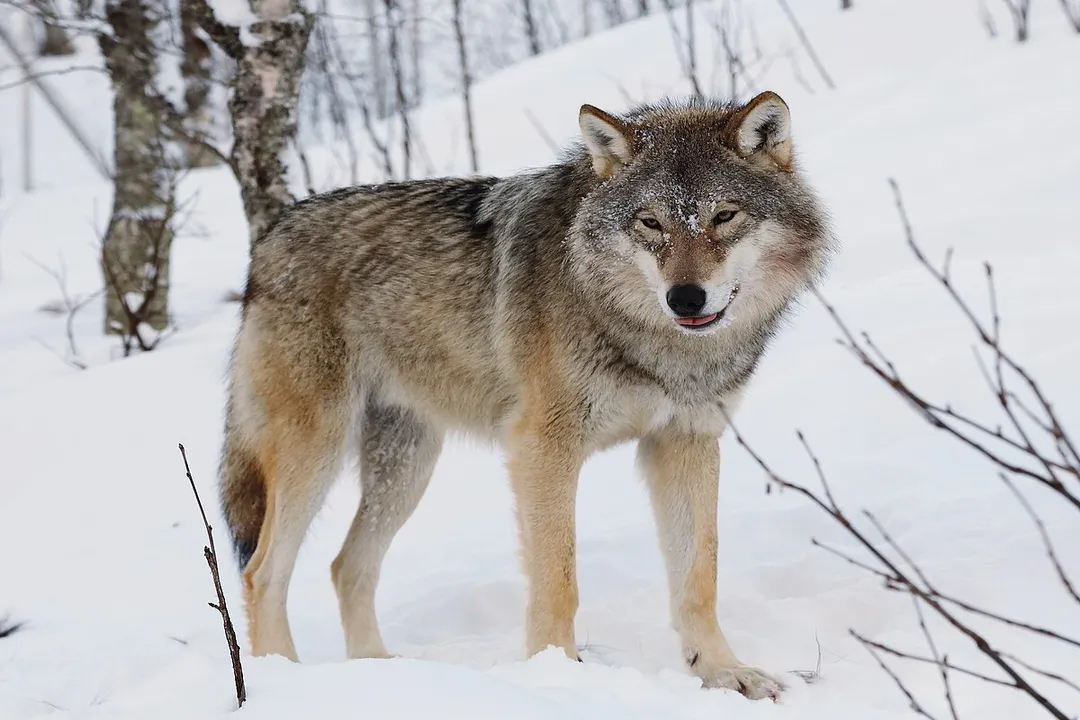
When discussions about the wolf diet are appropriated for human nutritional concepts, such as the Paleo diet, the comparison often overlooks the fundamental ecological context. A human attempting to replicate this diet strictly would face significant physiological challenges because they fail to account for the wolf's metabolic adaptations. Wolves survive by operating on an intense, cyclical feeding pattern involving securing and consuming massive volumes of raw, unprocessed meat during a 'feast,' followed by periods of fasting or relying on scarce resources during the 'famine.' Humans lack the specialized digestive efficiency and necessary enzyme systems to handle such high, unpredictable loads of raw protein and fat required for survival in this manner, making the comparison superficial when focusing only on the high-meat component.