In which environmental conditions does scavenging for carrion become a more frequent survival tactic for wolves?
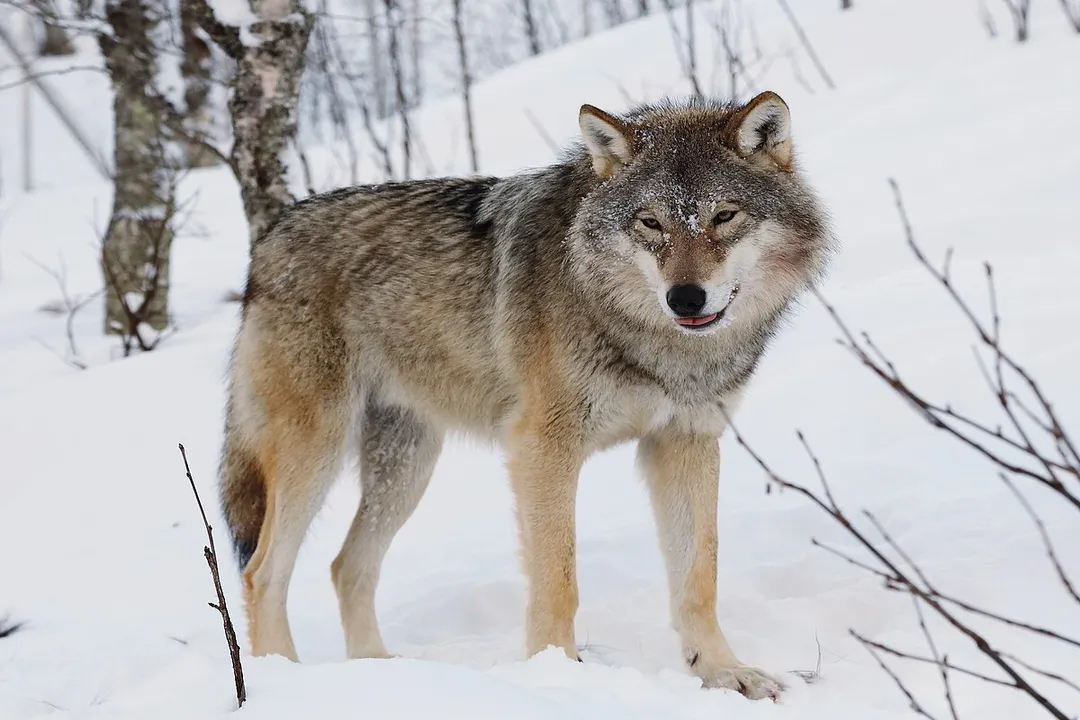
During periods of deep snow that make hunting difficult.
Carrion consumption—scavenging kills made by other predators or animals that died naturally—plays an important part in the wolf's overall caloric strategy by offering nutrition without the associated risk or expenditure of a hunt. This tactic becomes more prevalent when the energy cost of securing fresh prey outweighs the potential reward. Specifically, periods characterized by challenging travel conditions, such as deep snow that severely impedes the wolves' ability to successfully pursue and bring down large, mobile ungulates, drive them towards this risk-free source of nutrition. Furthermore, in environments where competition from other large carnivores is intense, scavenging becomes a necessary fallback to ensure consistent caloric intake when active hunting proves too energetically costly or dangerous.