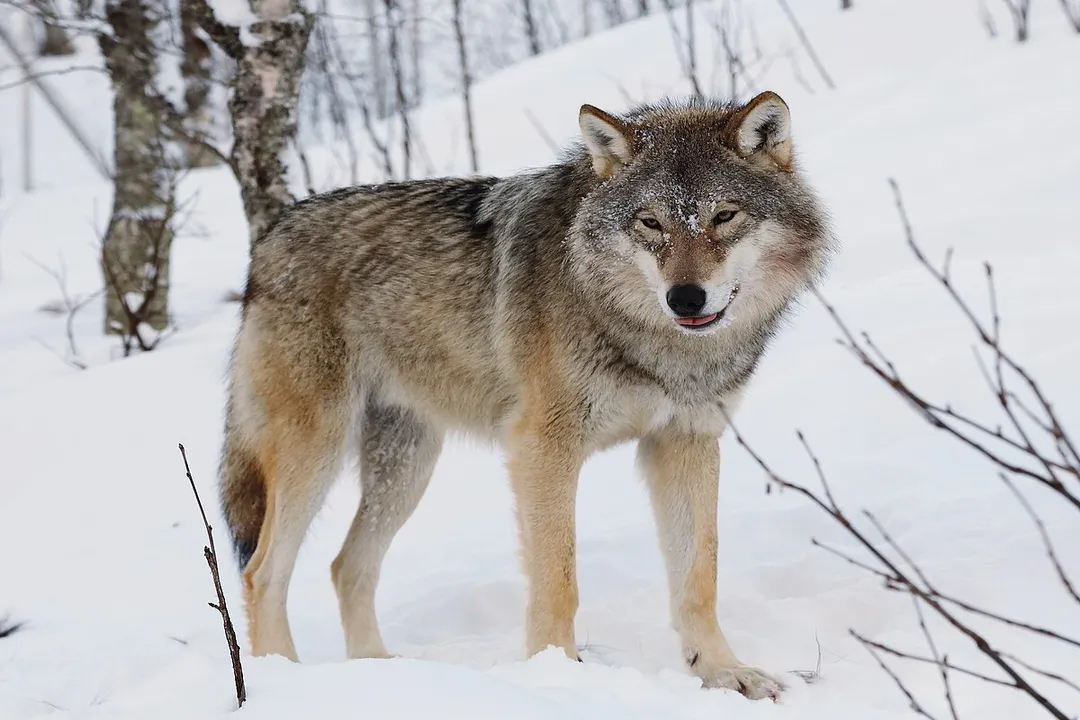
What cycle structure dictates the gray wolf feeding pattern instead of steady grazing?
Feast-or-famine cycle.
Gray wolves do not sustain themselves through steady, continuous grazing throughout the day, which is characteristic of many herbivores. Instead, their feeding structure is defined by a feast-or-famine cycle. This pattern is directly dictated by the success rate of their hunts for large prey. When a major kill is secured, the pack engages in rapid, intense consumption to maximize energy storage. A single large carcass can often provide enough nutrition to support the entire pack for a week or more while they recover or search again. This intense, cyclical intake is a necessary adaptation because the high energy demands of long-distance travel and high-speed coordinated chases require readily digestible energy sources, primarily animal fat and muscle, which can be loaded efficiently during the 'feast' periods.