Wolf Diet
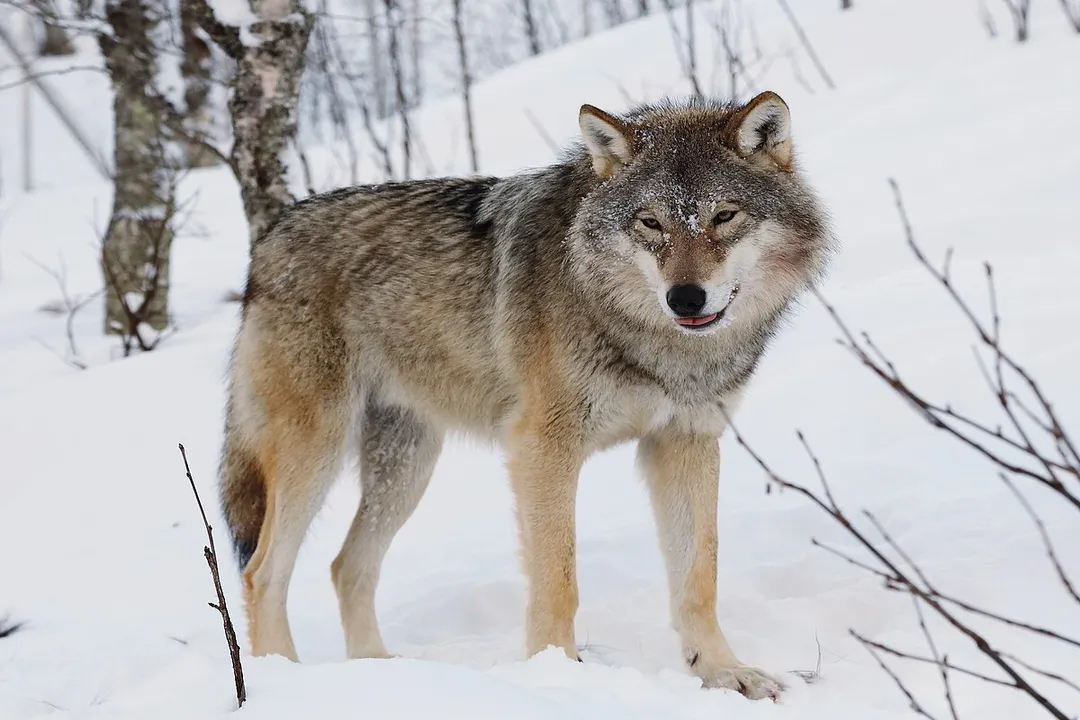
It is easy to picture the gray wolf subsisting solely on massive, freshly killed prey, and while large ungulates form the bedrock of their nutrition, the reality of the wolf diet is much more nuanced and deeply tied to geography and the rhythm of the seasons. [3][4] Wolves are apex predators, certainly, but they are also exceptionally adaptable carnivores whose survival depends on maximizing available resources, whether that means tackling a two-thousand-pound bison or nibbling on late-season fruit. [1][2]
# Ungulate Staples
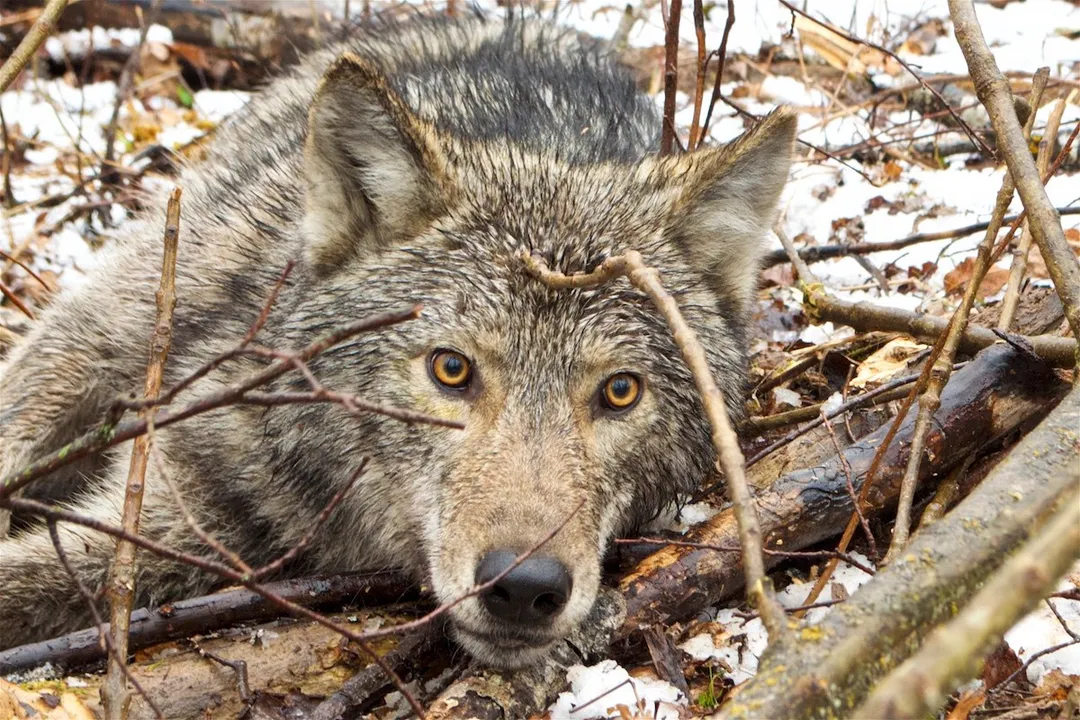
The primary components of a wolf's diet across most of North America and Eurasia consist of large, hoofed mammals. [4] Depending on the ecosystem, this menu can feature elk, deer, moose, caribou, or, in areas like the Yellowstone ecosystem, bison. [1][9] These large animals provide the massive caloric density—the necessary fat and protein—that sustains a pack through harsh winters and long treks. [2] When a successful kill is made, the quantity consumed is staggering; a wolf can eat up to twenty pounds of meat in a single sitting. [1] This ability to gorge allows the pack to survive for days when hunting is unsuccessful. [1]
The choice of prey is never arbitrary, even within the category of large ungulates. Wolves employ sophisticated pack hunting strategies to target the weakest individuals—the very old, the very young, or those already injured or ill. [2][4] This predation behavior serves an ecological function, keeping prey populations healthy and strong by removing less fit members. [4] Researchers studying wolf packs often track the primary species consumed, finding that in many regions, deer or elk make up the overwhelming majority of their caloric intake, sometimes accounting for over 90 percent of the total consumed biomass over a year. [8][9]
# Secondary Sources
When large game is scarce, or when an easier opportunity arises, wolves demonstrate keen opportunism. [1][4] Smaller mammals frequently supplement the diet, especially during times when pursuing large ungulates proves too risky or energetically costly. [3] This category includes creatures like beavers, rabbits, hares, mice, and marmots. [1][9] While one mouse offers minimal return compared to an elk flank, a successful hunt for smaller prey can provide necessary calories without expending the energy required for a sustained group pursuit of a healthy moose. [2]
Carrion also plays an essential, though perhaps less glamorous, role in the wolf's caloric strategy. [1] Scavenging kills made by other predators, or consuming animals that died of natural causes, provides readily available nutrition without any associated hunting risk. [3] In environments where large carnivore competition is high, or during periods of deep snow that make hunting difficult, scavenging becomes a more frequent survival tactic. [2]

# Plant Matter Inclusion
One area where popular perception of the wolf often diverges sharply from ecological reality is the consumption of vegetation. [1] While wolves are classified as carnivores, they are not strictly obligate carnivores in the way some other species are, meaning their digestive systems can process some non-meat material. [10] They are known to consume berries, fruits, and sometimes grasses, particularly during late summer and autumn when these items are plentiful. [6][1] Some observations suggest that plant matter, especially berries, can constitute a noticeable fraction of the total volume consumed in certain seasons. [6]
However, it is vital to contextualize this consumption. The digestive tract of the wolf is structured for processing meat, not breaking down large amounts of complex carbohydrates found in vegetation. [10] Therefore, while a wolf might ingest a significant volume of berries, the caloric and nutrient contribution is primarily vitamin and water supplementation, rather than providing the essential fats and proteins that drive their energy needs for hunting and territorial defense. [1] Viewing the diet as '80% plant' based on seasonal ingestion misses the fundamental metabolic requirement for animal protein. The plant intake serves as an effective dietary buffer when the primary food source is inaccessible, but it cannot replace the density of a successful ungulate kill for long-term survival in cold climates. [2]
# Geographic Menu Variations
The true flexibility of the wolf diet is best seen when comparing different habitats across continents. [1][2] What feeds a pack in the boreal forests of North America looks very different from what sustains one in the mountainous regions of Europe or Asia. [3]
For instance, coastal wolves might rely heavily on salmon during spawning runs, a completely different staple than the deer and elk favored by interior continental packs. [1] In areas where livestock—domesticated animals like cattle or sheep—are accessible, wolves may switch their focus, leading to human-wildlife conflict scenarios. [5] In places like California, for example, historical and contemporary records might show interactions with domestic stock when native prey is stressed or when the wolves' territories overlap with ranching operations. [5] The key takeaway for any ecosystem is that the menu reflects immediate availability more than inherent preference. [2]
| Prey Type | Example Species | Primary Nutritional Contribution | Seasonal Availability |
|---|---|---|---|
| Large Ungulates | Elk, Moose, Bison | High Fat, High Protein (Caloric Engine) | Year-round (most critical in winter) |
| Small Mammals | Rabbits, Rodents | Low Fat, Variable Protein (Opportunistic Calories) | Year-round, easier in open terrain |
| Vegetation | Berries, Fruits | Water, Vitamins (Dietary Buffer) | Summer and Autumn only |
| Carrion | Dead Ungulates | Immediate Protein/Fat (Risk-Free Intake) | Varies based on mortality rates |
# Feeding Intensity and Metabolic Rhythm
The structure of wolf feeding is as revealing as the content of their meals. [1] Unlike many herbivores that graze steadily throughout the day, wolves operate on a feast-or-famine cycle dictated by the success of their hunts. [2] When a large kill is secured, the pack consumes rapidly, prioritizing high intake to store energy reserves. [1] A single large kill can support a pack for a week or more. [1]
This intense, cyclical feeding pattern is a direct adaptation to their physical demands. Sustaining the high energy output required for long-distance travel and coordinated high-speed chases demands a diet rich in easily digestible energy sources, which animal muscle and fat provide far more efficiently than fibrous plants. [2] Understanding this metabolic rhythm—the need to load up quickly—helps explain why an opportunistic, easy meal like carrion is so readily accepted when the energy output required for a difficult hunt is too high to justify. [1] For researchers tracking pack health, the frequency of kills, rather than just the species composition, offers a clearer indicator of overall ecological stress. [8]
# Lessons from the Wild
When human dietary conversations turn to the "wolf diet," the context often shifts entirely, moving from ecology to human nutrition, sometimes drawing parallels to concepts like the Paleo diet. [10] While the name suggests a direct template for human eating—high meat, low grain—it fails to account for the ecological reality discussed above. [10] A human attempting to mimic a wolf's diet strictly would likely struggle with the necessary feast-or-famine cycles and the sheer volume of raw, unprocessed meat required for survival, especially without the wolf's specialized digestive enzymes for high-protein loads.
The more authentic takeaway from observing the wolf diet for human context lies not in an exact macro breakdown, but in understanding biological adaptation. Wolves consume what their local environment provides in the most bioavailable form possible, shifting their focus entirely when conditions change. [2][3] This ecological flexibility—the ability to switch focus from moose to mice to berries depending on the immediate energetic cost versus reward—is a masterclass in sustainable resource management. For any system, wild or domestic, recognizing the fluctuating availability of high-quality energy sources and buffering the diet with whatever secondary sources are safely present allows for greater long-term stability than rigidly adhering to a single narrow food category. [1]
Related Questions
#Citations
Hungry as a Wolf: What Wolves Eat
Wolf's diet and hunting behaviour - Suurpedot.fi
Wolf - Wikipedia
Gray Wolf | National Wildlife Federation
[PDF] Summer diet of California's recolonizing gray wolves - CA.gov
Wolves love berries and switch to an 80% fruit-based diet while they ...
Wolves eating berries - Voyageurs Wolf Project
Gray Wolf (Canis lupus) Fact Sheet: Diet & Feeding - LibGuides
Is The Wolf Diet for Dogs Similar to The Paleo Diet for Humans?