Wolf Eel Diet
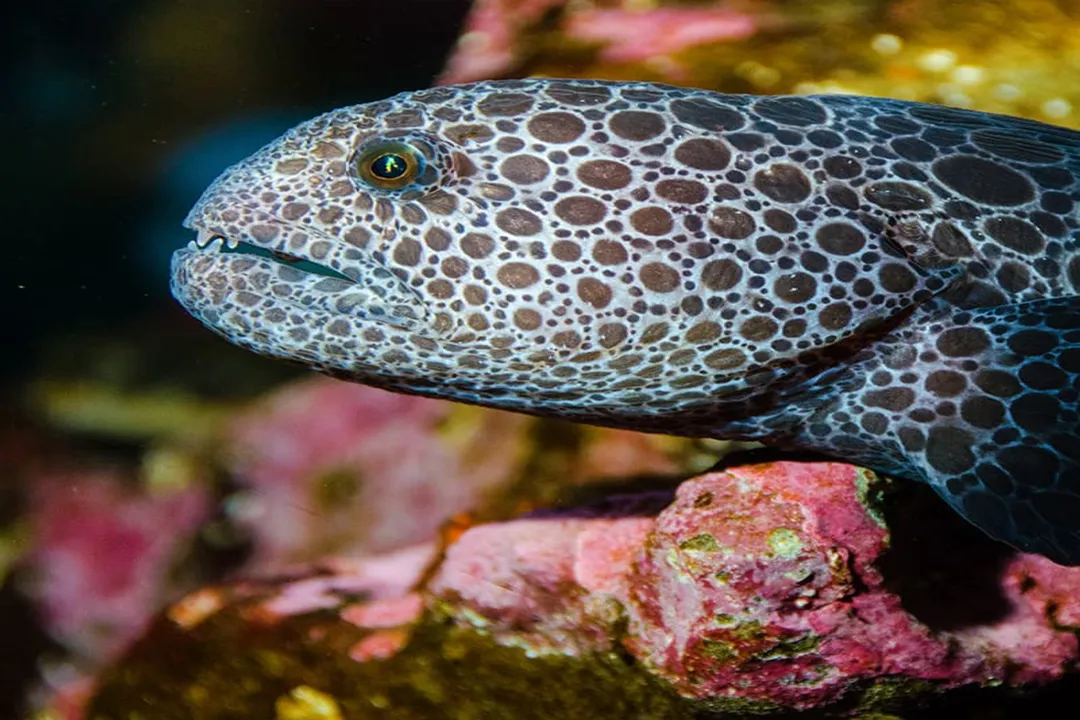
The diet of the wolf eel, Anarrhichthys ocellatus, reveals a creature perfectly adapted to the rugged, rocky environments it calls home along the Pacific coast of North America. [1][7] Despite the common name, it is important to remember that this animal is not a true eel; rather, it belongs to the blenny order, which speaks volumes about its unique predatory lifestyle. [5] Unlike some fish that might gently graze or filter-feed, the wolf eel’s feeding strategy centers on brute force and a taste for creatures protected by shells or exoskeletons. [4]
# Staple Food Sources
When observing or reading about what sustains these serpentine fish, a consistent roster of prey emerges, heavily favoring benthic (bottom-dwelling) invertebrates. [7] Crabs feature prominently on their menu, as do various mollusks like clams and sea urchins. [1][3][7][8] Squid and octopus are also consumed, providing softer prey options when available. [1][3] Beyond these staples, their general appetite extends to other fish and bottom-dwelling invertebrates encountered in their habitat. [4][7]
If you ever have the chance to observe a feeding session at an aquarium, you will notice that the wolf eel is adept at handling armored meals. [2] This preference means that a significant portion of their daily energy intake comes from prey items that require significant physical effort to access. While a fish like a cod might primarily consume smaller, softer fish, the wolf eel seems programmed to seek out the challenge of a hard shell. [7]
# Jaw Strength
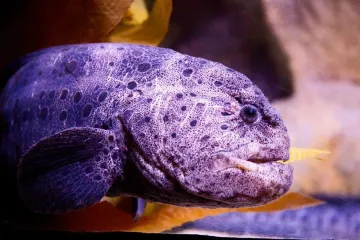
The key to unlocking this diet lies in the wolf eel's formidable oral anatomy. These fish are equipped with robust jaws and thick, blunt teeth capable of generating immense pressure. [4][7] This specialized dentition isn't designed for slicing or tearing in the way a shark’s teeth are; it is built for crushing and pulverizing hard structures. [7]
Consider the energy expenditure involved. Cracking open a thick-shelled crab or shattering the spines and shell of a sea urchin requires a massive expenditure of muscular energy. This contrasts sharply with pursuing and consuming, say, a squid, which requires speed and coordination but less sheer crushing power. [1][3] The presence of both hard-shelled and soft-bodied prey in their diet suggests that wolf eels are opportunistic feeders, but their physical tools heavily bias them toward the tougher fare. [4] It is fascinating to think about how, in an environment where soft-bodied prey like squid might be plentiful for a short season, the wolf eel might choose to conserve its energy by sticking to the guaranteed, albeit difficult, meal of a clam lodged in the substrate, simply because the necessary force is always available and reliably present in their rocky crevices. [7]
# Habitat Influence
The geographic distribution of the wolf eel—ranging from Alaska down to Baja California—means that the exact menu can shift based on local availability. [1][7] In one section of the rocky intertidal zone, green sea urchins might be abundant, making them a reliable food source. [4] In another area, perhaps further offshore or deeper, certain species of clams or crabs might dominate the benthos, thus shaping the local eel's preferences. [7][8]
Their lifestyle keeps them close to the bottom, often hiding in rock crevices, tide pools, or sunken objects. [1][3] This means their diet is fundamentally linked to the creatures that live on or burrow into the seafloor. You are unlikely to see a wolf eel pursuing fast-moving pelagic fish high in the water column, as their body structure is built for ambush and powerful strikes in confined spaces rather than sustained, high-speed chases. [5]
# Feeding Behavior
Wolf eels are generally solitary and territorial, which influences how they feed. [1] They typically forage in or near their dens, waiting for suitable prey to pass close enough to ambush. [7] This predatory style further supports their reliance on prey that can be subdued quickly with a powerful bite, rather than an extended pursuit requiring cooperative hunting or long-distance travel.
For those who keep these magnificent creatures in managed care, understanding this feeding need is critical. Aquarists must provide a varied diet that includes items simulating the necessary physical challenge, often involving presenting whole crabs or clams so the animal can engage its natural crushing behavior. [2] This practice is essential not just for nutrition but also for enrichment, keeping the animal mentally stimulated by allowing it to perform its species-specific feeding mechanics. If a captive wolf eel were only ever fed pre-cut chunks of fish, it would miss out on the critical physical conditioning required by its unique jaw structure, potentially leading to health issues down the line if those powerful jaws aren't regularly exercised against resistance. [4]
# Prey Diversity Comparison
To visualize the dietary range, it helps to compare the types of prey based on difficulty and caloric return:
| Prey Category | Examples | Key Requirement for Wolf Eel | Citation Support |
|---|---|---|---|
| Hard Invertebrates | Crabs, Clams, Sea Urchins | Extreme Crushing Force | [1][4][7] |
| Cephalopods | Squid, Octopus | Agility and Capture | [1][3] |
| Vertebrates | Fish | Ambush and Strength | [4][8] |
Notice that while fish are present, the invertebrates—the shelled creatures—require the specific adaptation that makes the wolf eel unique among many bottom dwellers. [7][8] The ability to consume sea urchins, for example, places them in a specialized niche, potentially keeping populations of those invertebrates in check where they coexist. [1] This specialization suggests that while their diet is varied, the method of eating is what truly defines their place in the coastal food web. [7]
#Videos
Virtual Visit: Wolf Eel Feeding! - YouTube
Related Questions
#Citations
Wolf-eel | Animals - Monterey Bay Aquarium
Wolf Eel Feeding Session | Aquarium Blog
Wolf eel - Seattle Aquarium
Wolf-Eel - CA Marine Species Portal
Wolf eels are not true eels, but rather a part of the wolf fish family ...
Virtual Visit: Wolf Eel Feeding! - YouTube
[PDF] WOLF-EEL (Anarrhichthys ocellatus) - Oregon Conservation Strategy
Diet - Wolf Eel
Wolf Eel characteristics and habitats in the Pacific coast - Facebook