What potential application is being studied for the enzymes that break down beeswax lipids in G. mellonella?
Answer
Degrading polyethylene pollutants
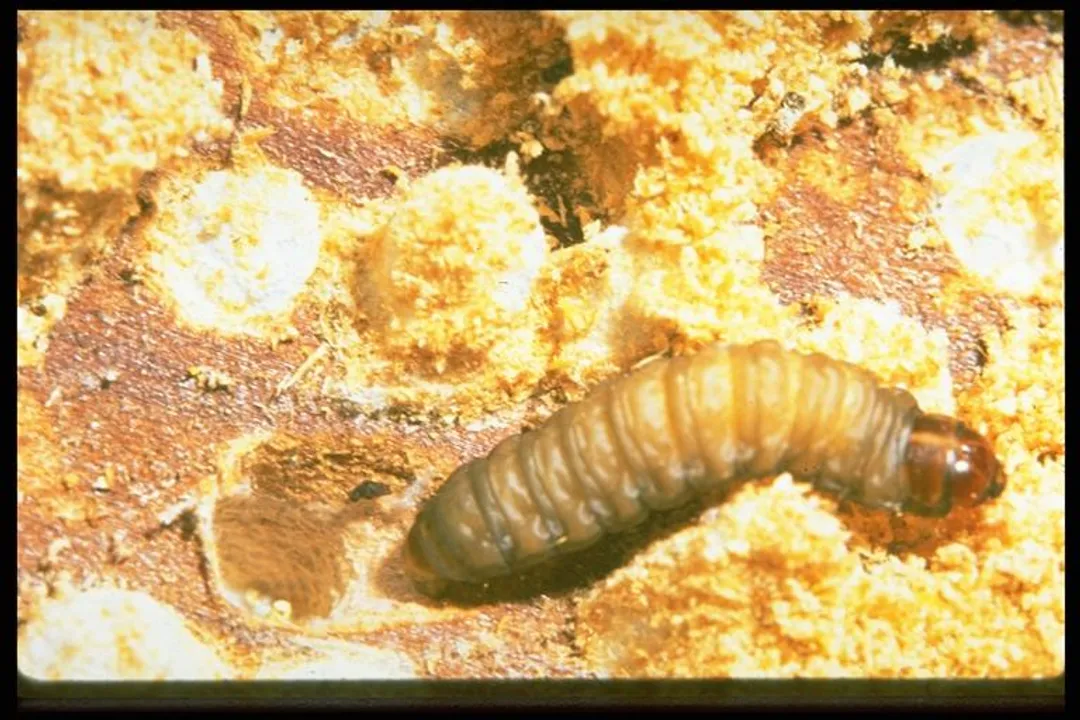
The enzymes synthesized by *Galleria mellonella* that allow it to break down the complex lipids found within beeswax—a substance generally indigestible by most other insects—have captured significant scientific interest beyond pest control. Researchers are intensely studying these specific enzymatic capabilities for a potentially groundbreaking environmental application: their ability to degrade polyethylene, which is recognized as one of the most persistent types of human-made pollutants.
Related Questions
What major Kingdom classification does Galleria mellonella belong to?Which feature is shared by Galleria mellonella due to its Phylum Arthropoda classification?What feature defines the Order Lepidoptera, including Galleria mellonella?What specific ecological niche unites members of the Family Galleriidae, like the wax moth?Which life cycle stage of G. mellonella is responsible for consuming beeswax and stored products?Why is Galleria mellonella a standard laboratory proxy in research settings?What unique identifier does the NCBI Taxonomy Browser assign to Galleria mellonella?What does the species name mellonella suggest about Galleria mellonella?What potential application is being studied for the enzymes that break down beeswax lipids in G. mellonella?What broader moth grouping might contemporary taxonomic treatments sometimes include Galleriidae within?