What physiological classification describes the white-tailed deer's survival strategy based on food selection?
Answer
Concentrate selector
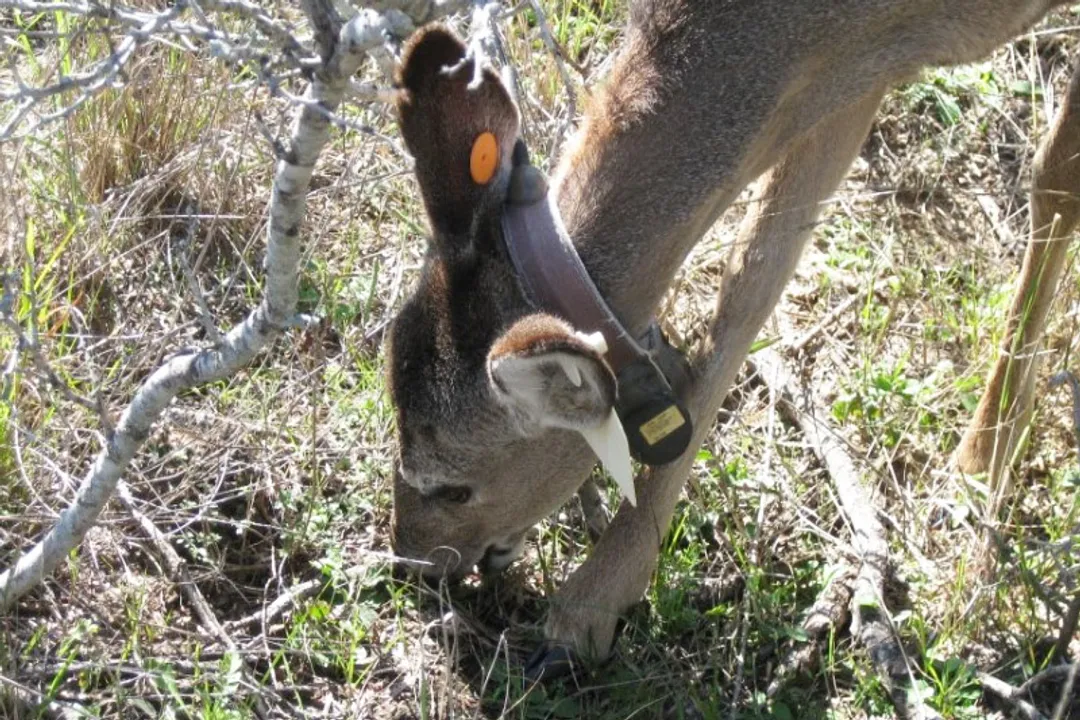
The white-tailed deer is classified as a concentrate selector because its survival strategy relies on efficiently identifying and consuming nutrient-dense, easily digestible parts of plants. This means they prioritize high-quality energy sources like fats, oils, and proteins over consuming large volumes of low-quality, high-fiber material. This is supported by their anatomy, specifically their relatively small digestive systems when compared to bulk feeders like cattle, and features like a narrow snout and prehensile tongue designed for delicate picking rather than tearing off coarse grasses.
Related Questions
What physiological classification describes the white-tailed deer's survival strategy based on food selection?Which primary food source is king during the Spring Protein Rush due to high nutritional return?What constitutes the backbone of the white-tailed deer's diet during the lean months of winter?What highly sought-after food source dictates the deer diet in the Fall to build necessary fat reserves?Which plant category is generally the least desirable for a concentrate selector like the deer?What key anatomical features enable a deer to delicately pick out specific plant parts?What approximate percentage of their body weight must deer consume daily from spring through fall to maintain health?What is the primary physiological risk of feeding deer high-starch corn during winter stress?How does acidic or phosphorus-deficient local soil structure impact the nutritional quality of spring forbs?What dietary shift occurs as summer progresses because forbs begin increasing in lignin content?