White-tail deer Diet
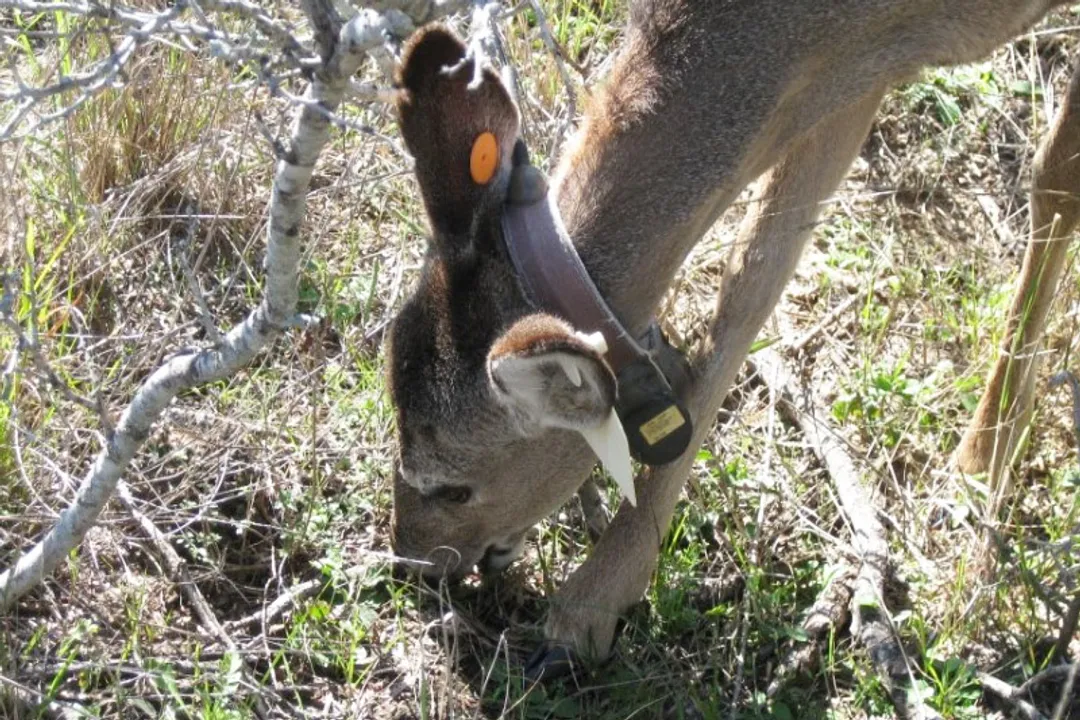
The notion that white-tailed deer subsist on whatever greenery is easiest to find is a common misconception, especially when one considers their relatively small digestive systems when compared to grazing counterparts like cattle. [3][5] A white-tail is anatomically a concentrate selector, meaning its survival strategy hinges on efficiently selecting the most nutrient-dense, easily digestible plant parts available, rather than consuming large quantities of high-fiber material like grasses. [1][3] This selectivity is physically supported by their anatomy: a narrow snout and a long, prehensile tongue allow them to delicately pick out tender leaves, buds, and specific shoots while leaving behind coarse stems, thorns, and less palatable material. [3][4][5]
Deer are eating machines, requiring intake equivalent to about 6% to 8% of their body weight daily in suitable forage to maintain health from spring through fall. [4][8] Because of this constant need, efficiency is paramount. Their digestive process, involving a four-chambered stomach designed for fermentation, works best with food that provides readily available starches, fats, oils, and proteins—the "concentrates"—rather than tough fiber. [1] When preferred, high-quality forage declines, deer may continue to eat low-quality foods out of necessity, which can be detrimental; for instance, feeding deer high-starch corn during the winter when their system is stressed can actually lead to physiological harm or even death. [1][3]
# Foraging Classification
To truly appreciate the complexity of the deer diet, it helps to categorize the plant matter they consume. While a list of every documented food source can run into the hundreds across a deer’s range, the majority of their annual intake—often exceeding 85%—comes from three main sources: browse, forbs, and mast. [3][6]
Browse refers to the leaves, buds, and tender twigs of woody plants such as shrubs, vines, and young trees. [6][5] Because woody stems and twigs remain available year-round, even when leaves are gone due to cold or drought, browse forms the backbone of the winter diet, particularly in northern climes. [3][4] However, due to its higher fiber content, woody browse is generally only moderately preferred when higher-quality options exist. [3]
Forbs are the herbaceous, broad-leaved plants often casually labeled as "weeds." These non-woody plants are extremely important, especially during the growing season. [3] They are often more easily digestible and nutrient-rich than browse, providing high levels of protein and energy when abundant in late spring and summer. [4][6] Examples can range from native lespedezas and asters to common plants like poison ivy, which deer readily consume. [5][6]
Mast includes the hard and soft fruiting bodies of plants, primarily nuts (hard mast) and berries/fruits (soft mast). [3] Acorns are the quintessential hard mast and are highly sought after in the fall because they are rich in fats and carbohydrates, crucial for building fat reserves before the harsh winter and the energy-draining rut. [2][4] Soft mast, like berries and grapes, provides essential sugars and vitamins during the summer months. [3][4] The availability of mast is often cyclical—acorn production, for example, can vary significantly every few years depending on tree health and rainfall—which forces deer to pivot their diet dramatically in "bust" years. [2][5]
Grasses are the least desirable category for a concentrate selector. Deer rarely eat mature perennial grasses because of their low digestibility. [3] Consumption is generally lowest in summer and fall, and highest in late winter or early spring when they might paw through snow to reach the first emerging, softer grass shoots, or when other food is extremely scarce. [3][6]
# Seasonal Menu Shifts
The deer's palate is not static; it evolves dynamically based on what the landscape offers and what the deer’s body requires at that specific moment. [3][4] Understanding these seasonal shifts is key for anyone interested in land management or simply observing deer behavior. [4]
# Spring and Early Summer: The Protein Rush
Spring marks the nutritional high point of the year. As temperatures warm and moisture allows, new, succulent vegetative growth emerges. Deer intensely focus on these new growth tips, which are packed with high levels of protein, easily digestible carbohydrates, and vital minerals like phosphorus, needed for antler mineralization and fawn development. [4] Forbs are king during this phase, providing the highest nutritional return on investment. [4] In regions where soil quality is high—rich in the necessary elements to be transferred to the plants—these spring forbs offer protein levels that can exceed 20% in certain legumes. [6]
# Summer Transition
As summer progresses, the new, high-protein flush of the forbs begins to mature, increasing in lignin content and becoming less palatable and digestible. Deer shift their focus, often moving toward second-choice browse species and early-ripening soft mast, such as wild grapes or berries. [4][7] This phase requires careful energy management as does approach lactation, a period of peak demand for females.
# Fall: Building Reserves
As temperatures cool, the focus snaps to energy storage. Fall is dictated by mast crop availability. [4] A boom year for oaks means deer fill up on high-fat acorns to prepare for the breeding season and the coming winter scarcity. [2] In areas with plentiful mast, acorns can become the dominant dietary component. [7] If acorns are scarce, deer will turn to agricultural crops like corn or soybeans if accessible, as these offer dense energy stores. [6]
# Winter: Survival Browsing
Winter is the most nutritionally stressful time. With herbaceous growth gone, deer depend almost entirely on persistent, woody browse—twigs, buds, and evergreen leaves like those on arborvitae or yews. [8][4] While this food keeps their stomachs full and provides necessary bulk, it is significantly lower in quality and digestibility compared to summer fare. [3] Bucks have ceased antler growth, and does are focused on maintenance or carrying fawns, but all deer need high-energy sources to regulate body temperature, often leading them to seek out high-carbohydrate, low-protein foods like acorns if they can still find them or turn to available dry winter grains.
# Beyond the Obvious: Original Nutritional Considerations
While seasonal shifts are predictable, the actual quality of that food can vary wildly based on local conditions, which is often overlooked. For example, during the spring flush, when forbs are the primary goal, their nutritional ceiling is directly tied to the underlying soil chemistry. If the local soil structure is acidic or deficient in key minerals like phosphorus, the forbs growing there, no matter how lush and young, will have a lower concentration of those elements compared to forbs grown in optimal soil. A deer feeding heavily on apparently excellent spring growth in poor soil might still be deficient in phosphorus, hindering their full antler development potential or fawn viability because the mineral simply wasn't available to be sequestered into the plant tissue in the first place. This highlights that habitat management must consider soil health as the foundational layer for quality forage production.
Furthermore, the physiological trade-offs during winter are intense. A deer might decide to travel an extra mile to reach a patch of highly preferred, mature legume browse (if one exists) that offers 10% protein, rather than staying put and eating 4% protein woody stems nearby. [1] Given that a deer needs to maintain body temperature while having minimal energy reserves, an animal might need to consume 3 pounds of the 4% protein browse just to meet a minimum maintenance requirement, versus needing only 1.5 pounds of the 10% protein legume to cover the same base need. In this scenario, the deer has to spend more time and energy moving (and exposing itself to predators) to eat more low-quality food, which ironically uses up more of the limited energy it was trying to conserve. Effective land managers often focus on creating dense, protective cover adjacent to food sources so the deer can minimize time spent exposed while foraging, thus maximizing the utility of every bite they take. [7]
# Agricultural Influence and Dietary Risks
The availability of agricultural land significantly alters the local diet from the general model. Deer readily consume crops like corn, soybeans, wheat, and various vegetables because they are typically highly nutritious, palatable, and easily digestible. [3][6] In agricultural landscapes, crops often replace acorns as the primary carbohydrate source in the fall. [6]
However, this reliance comes with risks. While cattle, which are roughage eaters, can safely consume large amounts of grass, a deer's specialized digestive tract can be thrown into crisis by sudden dietary shifts, especially in winter. [1][3] For example, feeding deer large quantities of grain or corn when natural, high-quality forage is scarce can disrupt the delicate microbial balance in the rumen, leading to acidosis or bloat, which can be fatal. [1] In areas like Illinois, supplemental feeding is often banned not only for safety reasons but also because concentrating animals at feed sites dramatically increases the transmission risk for diseases like Chronic Wasting Disease (CWD). [2] Land management priority should always be on enhancing natural diversity before considering supplemental plantings like food plots. [7]
Ultimately, the white-tailed deer’s diet is a masterclass in opportunistic, yet highly selective, optimization. They are constantly calculating the energetic reward versus the time and risk involved in acquisition, striving for nutrient-rich foods like forbs in the summer and high-energy mast in the fall, while relying on persistent woody browse to survive the lean months of winter. [4] Providing a landscape with diverse food types across all seasons is the most direct way to support a healthy, productive herd. [6]
Related Questions
#Citations
What Do Deer Eat? A Deer Diet Breakdown by Season
What Do Deer Eat? | Deer Ecology & Management Lab | Mississippi ...
Deer Diet: Regional Adaptation - North American Whitetail
Food Habits - White-tailed Deer Illinois: deer ecology
The White-tailed Diet: More than just Acorns and Corn
Deer: Food and Water Needs | Missouri Department of Conservation
Understanding Whitetail Deer Diet & Feeding Patterns - ohDeer
Food for Thought: A Primer of Deer Diets Part 1 | Virginia DWR
Nutritional Requirements of White-tailed Deer in Missouri