What physical characteristic, shared with Zebu-type cattle derivatives, is located behind the neck?
Answer
A distinctive hump
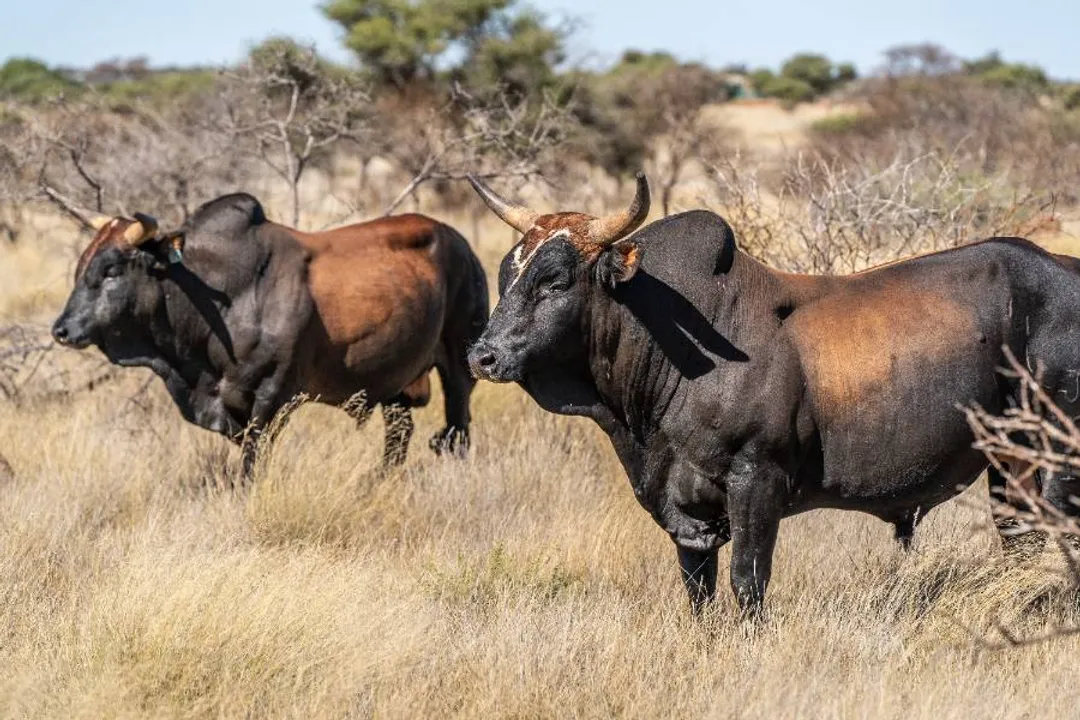
Nguni cattle possess several features indicative of their relationship to Zebu cattle (*Bos taurus indicus* derivatives), and one highly visible trait is the presence of a distinctive hump situated immediately behind the neck area. While they also feature a strong, deep dewlap and lyre-shaped horns, the hump is specifically mentioned as a shared characteristic with Zebu types. Their overall build is classified as medium-sized, though this size can fluctuate based on the individual animal's nutritional status and the specific regional strain or lineage being observed.
#Videos
Nguni Cattle | Everything Farmers Need to Know About ... - YouTube
Related Questions
Where did the Sanga group cattle, ancestral to Nguni cattle, likely migrate from initially?What is the characteristic shape of the long horns typically grown by Nguni males and females?Which attribute allows Nguni cattle to maintain condition on sparse, low-quality forage?What historical function do Nguni cattle primarily serve besides agriculture in rural settings?What risk mitigation factor do Nguni offer despite slower maturation than Angus or Hereford?What classification type does the table assign to Nguni cattle regarding their ancestry?Which organization has recognized Nguni cattle's heritage by including them on its Ark of Taste?What physical characteristic, shared with Zebu-type cattle derivatives, is located behind the neck?Which specific sub-type is listed among the recognized strains of collective Nguni cattle?What should producers closely observe regarding calf growth during the first six months of Nguni crossbreeding?