Are Nguni cattle easy to care for?
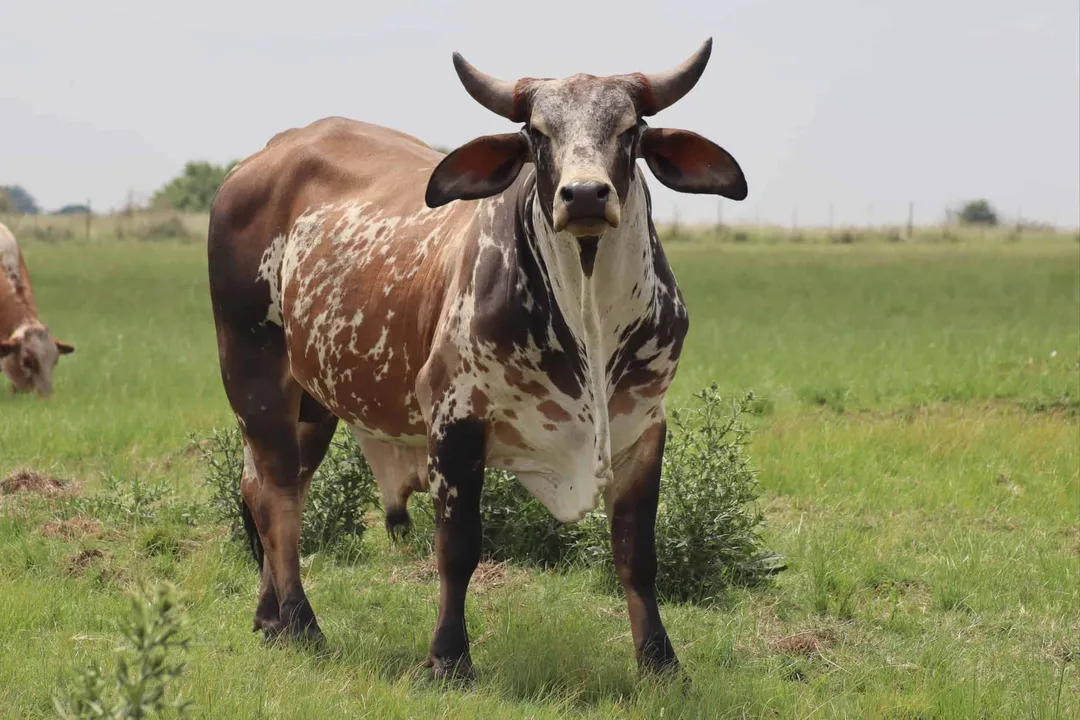
When considering Nguni cattle for a farming operation, the question of their ease of care quickly becomes central to the decision. These African cattle, celebrated for their stunning hides and inherent hardiness, are often viewed as a lower-input alternative to many continental or specialized beef breeds, which immediately suggests a simpler management profile. [6][8] Their reputation is built on an ability to thrive in harsh environments, meaning routine husbandry might demand less intervention for issues like nutrition and disease resistance compared to breeds developed purely for intensive feedlot performance. [9]
# Temperament
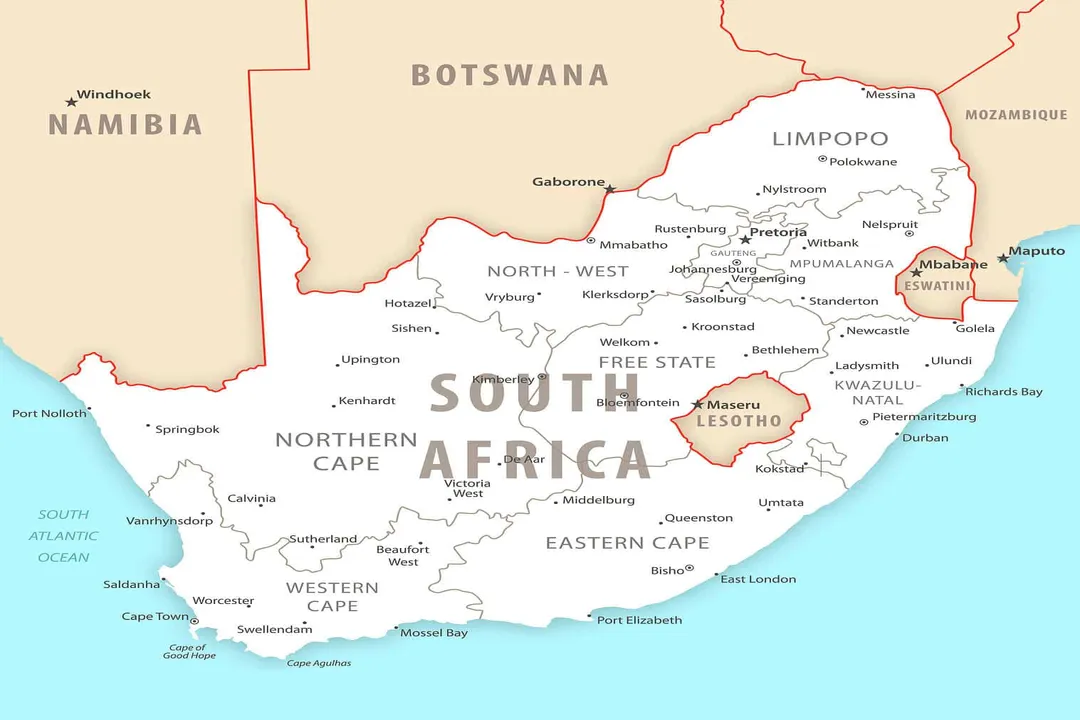
The general disposition of the Nguni breed leans heavily toward docility, which significantly contributes to ease of handling. Nguni cattle are typically described as placid and gentle creatures in everyday interactions. [2] This calm nature makes routine tasks such as moving the herd, administering veterinary care, or simply being near them far less stressful for handlers. [2]
However, this placidity is not absolute across the entire population or throughout the year. While cows and steers are generally easygoing, a crucial point for any potential owner is recognizing that bulls can exhibit pronounced aggressive tendencies, especially during the mating season. [2] This distinction highlights a manageable challenge: most of the herd will be simple to work with daily, but specific protocols must be in place for handling the breeding males during peak times. If a farmer is accustomed to managing more nervous or flighty breeds, the Nguni’s generally calm demeanor might feel like a noticeable reduction in daily management friction.
# Hardiness Factors
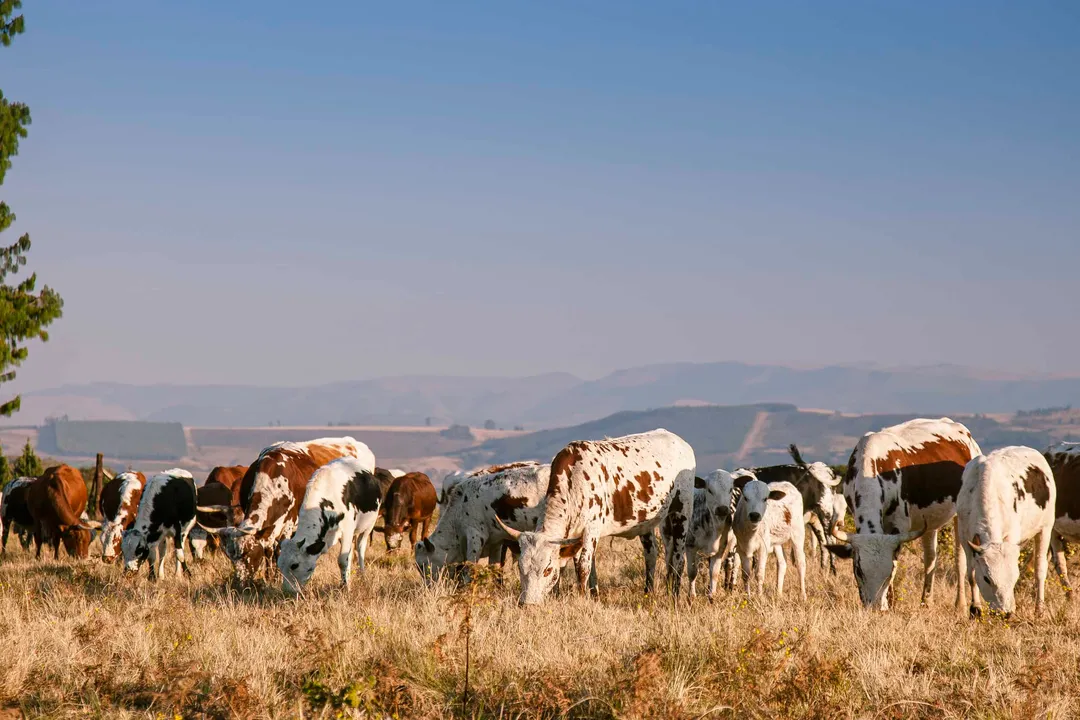
A primary reason Nguni cattle are considered easy to care for stems directly from their exceptional natural hardiness, a trait honed over centuries in the varied and often challenging climates of Southern Africa. [9]
# Environmental Adaptation
Nguni possess remarkable adaptability to wide temperature fluctuations, managing well in both high heat and colder conditions. [1][6] More importantly for economic viability, they exhibit superior drought resistance compared to many other breeds. [9] This resilience means that during dry spells, when other cattle might require expensive supplementary feeding or face significant weight loss, Ngunis can often maintain condition on poorer quality forage. [9] This ability to extract sustenance from marginal land significantly reduces the logistical and financial burden of feed management, a cornerstone of easy care.
# Disease Resistance
The breed also carries inherent resistances that simplify health management. They demonstrate notable tolerance to local parasitic challenges, including ticks and certain diseases endemic to their native regions. [6][9] While no cattle are immune to all health issues, this natural fortitude translates into less frequent dipping, deworming, and veterinary intervention for common ailments that plague less naturally adapted cattle. This reduced reliance on chemical inputs and scheduled health visits clearly lowers the time commitment and overhead costs associated with their upkeep. [8]
# Pasture Requirements
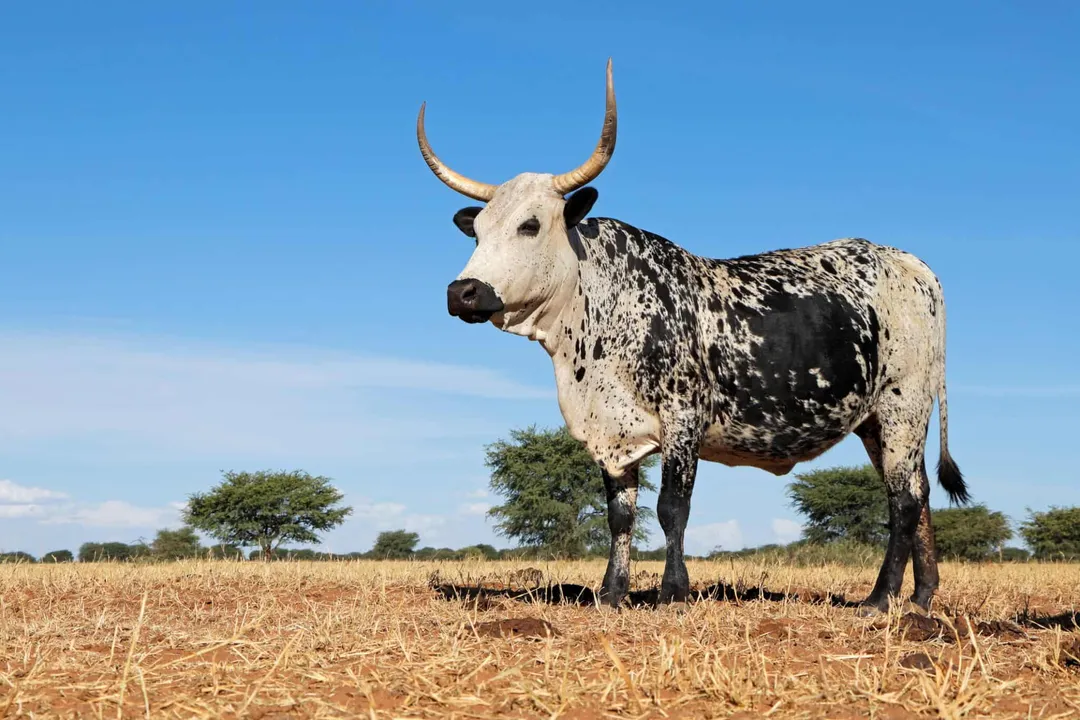
The nutritional demands of the Nguni directly influence how easy they are to keep. They are known for their ability to thrive on low-quality roughage. [6][9] Unlike specialized European breeds that might require high-protein, high-energy rations to maintain body condition or hit market weights, Ngunis are efficient converters of roughage. [1]
This efficiency allows them to be managed successfully on pastures that might be considered insufficient for other breeds. For example, an operation with significant acreage of poorer, unimproved pasture might find that Ngunis utilize that land profitably where cross-bred animals would fail to maintain body mass. This capacity to survive and produce on less means the producer spends less time and money on pasture improvement, fertilization, or supplemental feed inputs necessary to prop up other breeds when grazing quality dips. A careful observation of historical stocking rates in semi-arid regions, where Ngunis are prevalent, often shows that they maintain productivity with lower animal units per hectare than highly improved breeds might require in similar conditions, speaking volumes about their low-maintenance profile. [1][9]
# Reproductive Management
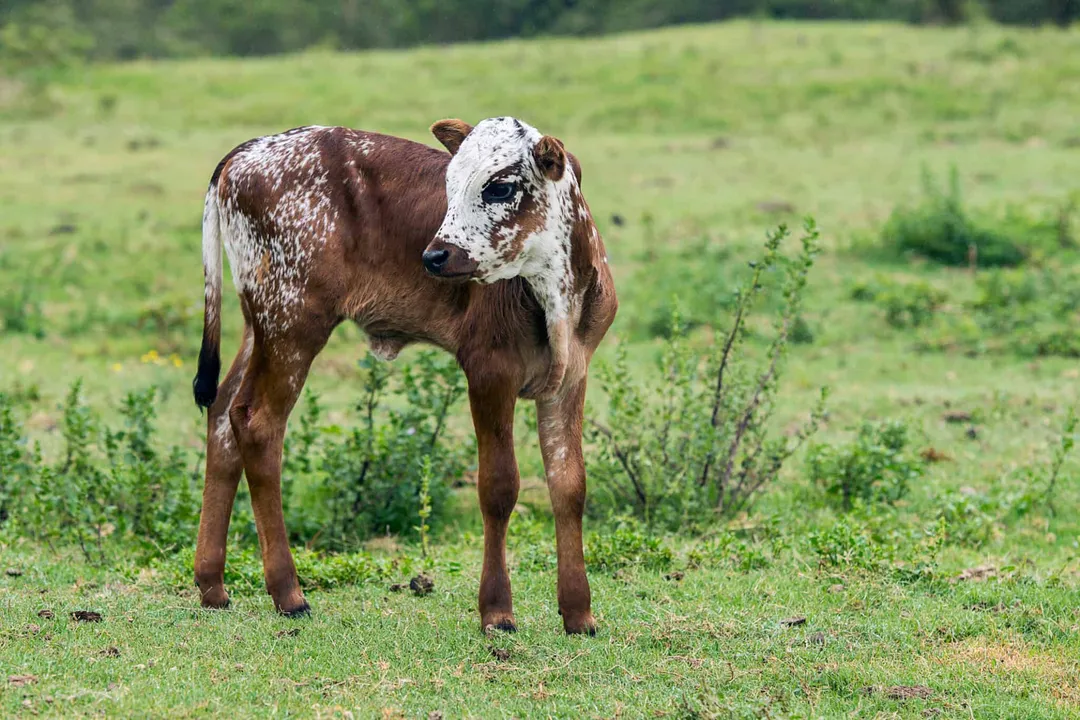
Ease of care often intersects with reproductive success, as calving difficulties or poor conception rates create intensive management scenarios. Nguni cows are noted for their calving ease, often delivering calves without significant assistance. [6] Furthermore, they are known for their good mothering instincts and longevity in the breeding herd. [6]
While herd management is generally straightforward, there is anecdotal interest in their sex ratios. Some producers have noted specific breeding cycles resulting in skewed sex distributions, such as a run of only bull calves. [7] Though this specific observation is not a direct indicator of difficulty in care, it reminds producers that even in a low-input system, natural variation in breeding outcomes requires attention and planning, particularly for herd replacement strategies.
# Handling and Interaction
The physical characteristics of the Nguni also play a part in their manageability. They are generally medium-sized animals. [1] Their structure, combined with their calm nature, contributes to safer and quicker handling.
For a producer utilizing rotational grazing or needing to move cattle frequently, the combination of docility and moderate size is a distinct advantage. There’s less risk of injury to personnel when sorting or loading a placid animal that isn't prone to panic or aggressive evasion behaviors typical of more high-strung breeds. [2] While general cattle handling skills are always necessary, the inherent temperament of the Nguni reduces the frequency of emergency situations arising from flightiness or unexpected aggression, outside of the specific bull caveat mentioned earlier.
# Practical Management Considerations
Even with their inherent hardiness, Ngunis still require standard livestock management, but the intensity of that management is what differs. They need access to clean water and basic minerals, just like any bovine. [8] Housing needs are often less demanding than for sensitive breeds; their thick hides offer good insulation against both heat and cold, reducing the need for extensive windbreaks or sophisticated cooling systems that might be mandatory for breeds with less natural protection. [1]
If you are considering integrating Ngunis into an existing farming setup currently running more demanding breeds, a subtle shift in mindset is required. Instead of viewing land quality or weather extremes as immediate crises demanding supplemental intervention, a Nguni producer learns to trust the breed's adaptation. Where you might normally panic about a sudden drop in pasture quality for a Charolais or Angus, with the Nguni, the primary action may simply be to monitor weight gain rather than immediately purchasing feed—a classic low-stress management approach. [9]
For a novice producer, the Nguni offers a gentler introduction to cattle ownership. They are forgiving of minor management errors that might prove fatal or costly with more sensitive breeds. Their ability to maintain condition on poor forage, resist common local parasites, and possess a generally gentle nature strongly suggests that Nguni cattle are comparatively easy to care for, provided the owner respects the seasonal exception regarding bulls and maintains standard necessities like clean water and basic parasite control. [2][6][8] Their management success lies in understanding when to intervene versus when to let nature take its course, relying on their natural survival mechanisms.
#Videos
Nguni Cattle | Everything Farmers Need to Know About ... - YouTube
Related Questions
#Citations
Nguni Cattle Animal Facts - Bos taurus
Are Nguni cattle considered a gentle cattle breed ... - Facebook
Nguni Cattle | Everything Farmers Need to Know About ... - YouTube
REGENERATIVE FARMING - NGUNI COWS. As a hardy indigenous ...
Nguni | The Cattle Site
After a run of 7 bull calves we were greeted by this beautiful heifer ...
Questions - Genesis Nguni
Nguni cattle | CABI Compendium