What are Nguni cattle?
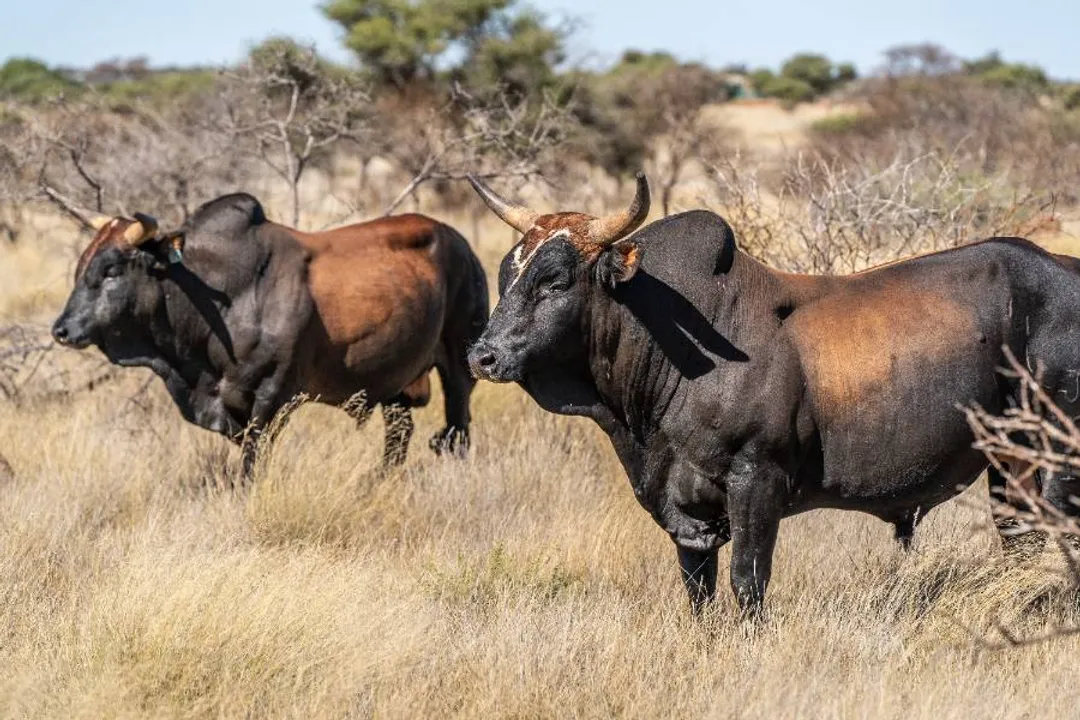
The Nguni cattle represent one of the most iconic and historically significant indigenous breeds found in Southern Africa, immediately recognizable by their striking and varied coats. [1][2] More than just livestock, these animals are deeply woven into the cultural fabric, history, and economy of the region, particularly for peoples such as the Zulu, Xhosa, and Ndebele. [1][9] Their very existence speaks to a long history of adaptation, surviving in often unforgiving environments where many exotic breeds struggle to persist. [6] To understand Nguni cattle is to appreciate a living link to traditional African pastoralism, one that is finding new relevance in modern, climate-stressed agricultural landscapes. [6][7]
# Ancestry Deep
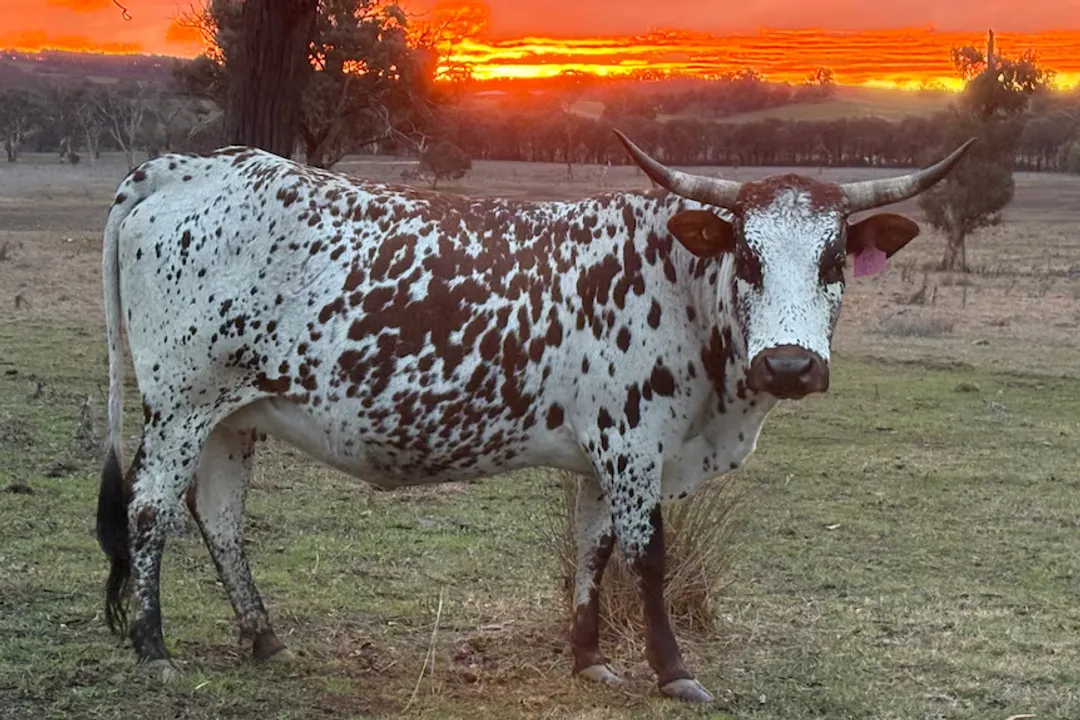
The story of the Nguni breed begins with their introduction to Southern Africa, a migration that occurred long before European settlement. [1] They are part of the Sanga group of cattle, which moved south across the continent, likely arriving in the Great Lakes region from Ethiopia or Somalia sometime between the first and the tenth centuries AD. [1][9] Over centuries of natural selection and crossbreeding with local indigenous cattle, these migratory animals evolved into the distinct Nguni type we know today. [1][9]
These early arrivals were crucial to the sustenance and social structure of the Iron Age farming communities that began to populate the region. [1] The breed's success lies in its prolonged, isolated development within Southern Africa, which finely tuned its genetics to the local ecology, climate, and husbandry practices. [9] It is this long-term adaptation that sets them apart from imported European breeds, making them inherently better suited to the challenges of their native land. [6]
# Distinct Features
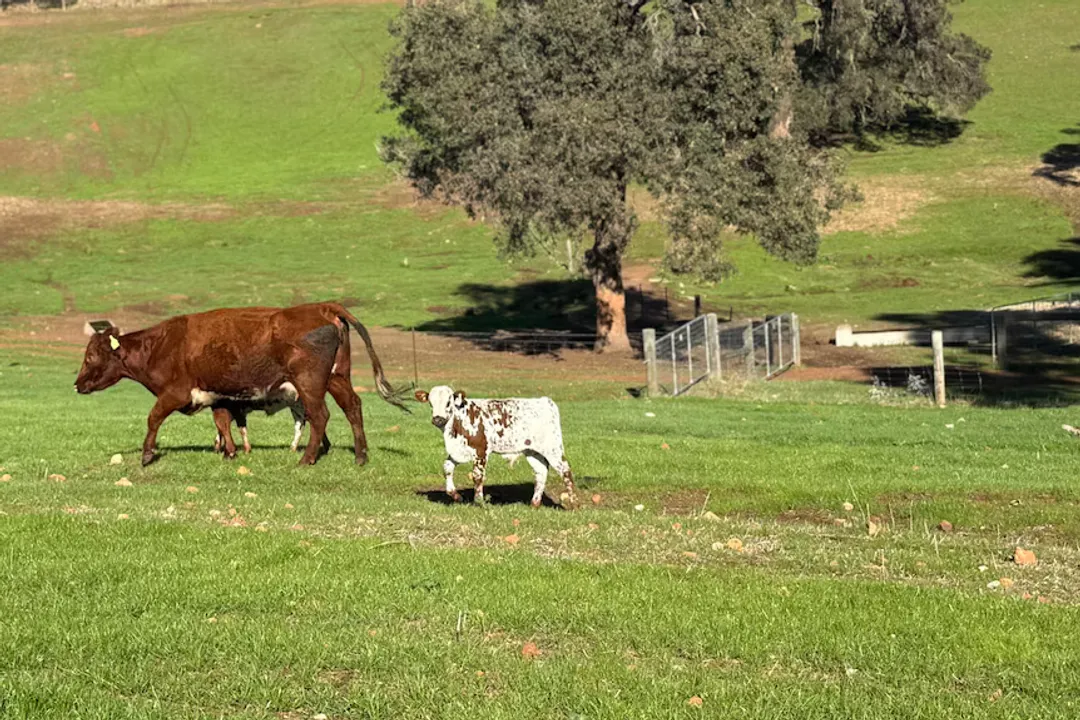
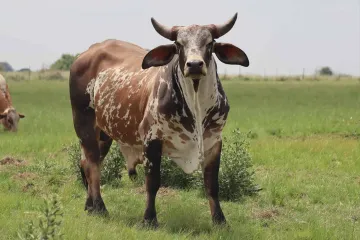
What immediately sets a Nguni apart is its appearance, which is characterized by an astonishing variety of coat patterns and colors. [2][5] This coloration is not standardized like many European breeds; instead, it is highly variable, featuring spots, stripes, patches, and combinations of almost every conceivable shade, making each animal unique. [1][5] This immense variation is a direct result of their heritage and the lack of intense, selective breeding for a uniform look until relatively recently. [9]
Their build is generally characterized as medium-sized, though this can vary depending on the specific strain or lineage, as well as the nutritional status of the individual animal. [2] They possess a distinctive hump located behind the neck, a characteristic shared with other Zebu-type cattle (Bos taurus indicus derivatives). [1][3] Furthermore, both males and females typically grow long, lyre-shaped horns, which can curve elegantly upwards and outwards. [2][5] A strong, deep dewlap is another common feature. [1]
The following table summarizes some key physical and production descriptors for the breed:
| Trait | Description | Notes |
|---|---|---|
| Classification | Zebu cross/Sanga type | Adapted to tropical/sub-tropical environments [1][9] |
| Coat Color | Highly variable | No two animals are exactly alike; striking patterns [1][5] |
| Horns | Long, lyre-shaped | Present on both sexes; thick at the base [2][5] |
| Milk Yield | Moderate | Generally lower than specialized dairy breeds [2] |
| Maturation Rate | Slower | Takes longer to reach market weight compared to fast-growing breeds [6] |
| Body Size | Medium | Varies depending on nutrition and specific regional strain [2] |
It is important to note that while the term "Nguni" refers to the collective group, there are recognized sub-types or strains such as the Pedi, Zulu, Xhosa, and Swazi cattle, each having subtly distinct characteristics developed in their respective regions. [1][5]
# Hardiness Traits
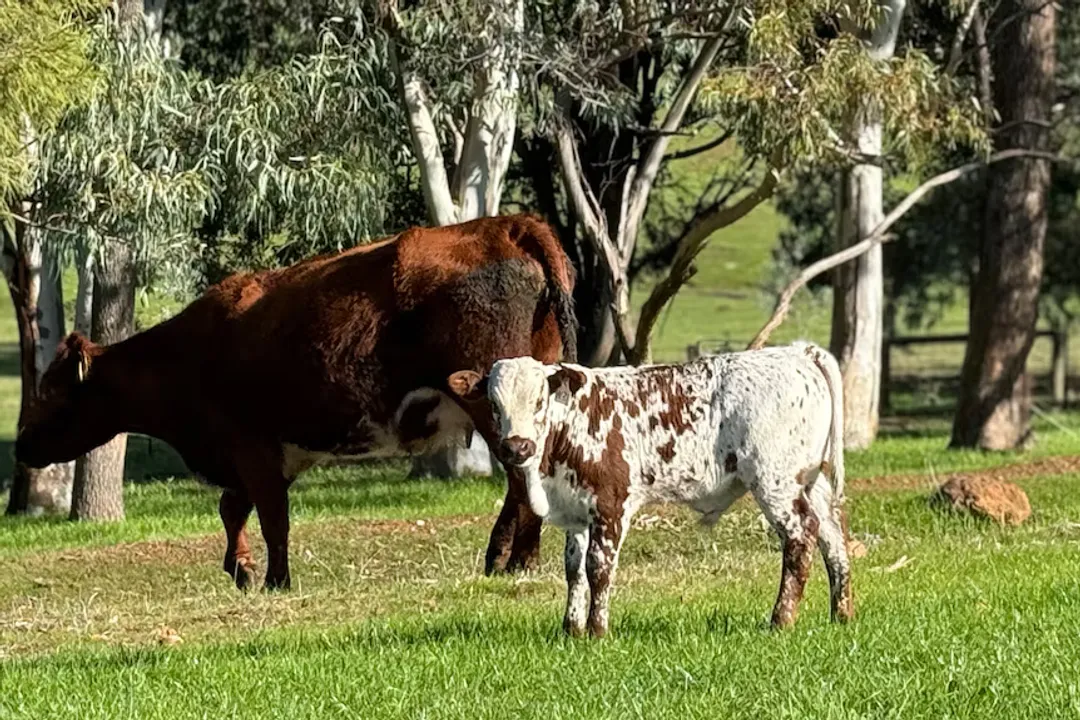
The most celebrated attribute of the Nguni cattle is their exceptional hardiness. [6][7] They possess a genetic makeup that allows them to thrive where other cattle breeds simply cannot maintain production levels. [5] This resilience is multifaceted, encompassing resistance to local diseases, superior foraging capabilities, and remarkable heat tolerance. [5][9]
Their skin is thick, and their hair coat is short, helping them cope with intense solar radiation and high ambient temperatures prevalent in their native semi-arid and subtropical regions. [9] Perhaps more importantly for modern farming, Nguni cattle are renowned for their ability to maintain body condition on sparse, low-quality forage. [6] They are efficient converters of marginal grazing land into usable products, whether that is milk or meat. [5]
Considering the increasing frequency and severity of drought conditions across Southern Africa and increasingly in places like Australia—where some farmers are beginning to investigate them—this hardiness is invaluable. [6][7] While they may grow slower than high-growth European breeds like Angus or Hereford, their ability to remain productive through periods of feed scarcity offers a significant risk mitigation factor for producers. [6] A producer might accept a slightly longer time to market, knowing the animal has a higher probability of surviving and maintaining health during a dry spell when feed is scarce. [7] This contrasts sharply with highly specialized breeds that demand high-quality nutrition year-round to perform optimally.
My own observation, synthesized from their documented toughness, is that the true economic value of the Nguni might not lie in maximizing short-term output per hectare in ideal conditions, but in maximizing long-term reliability across variable, challenging conditions. In essence, they offer a form of biological insurance against climate volatility, a concept that traditional intensive beef operations often overlook until a major climatic event forces a reassessment of stocking rates and breed selection. [6]
# Cultural Value
The Nguni breed’s role extends far beyond agriculture; they are a fundamental component of the social and economic life of various Southern African cultures. [1][9] Historically, and in many rural settings still today, cattle are a primary measure of wealth and social standing. [1][3] They are central to rites of passage, ceremonies, and traditional marriage agreements, often referred to as lobola or dowry. [1][9]
The Zulu people, in particular, hold deep reverence for these animals, considering them essential for tradition and livelihood. [1] The very name "Nguni" is associated with the people who tended them. [1] Because of this cultural significance, Nguni cattle are often treated with a degree of care and management that reflects their status as family assets rather than mere commodities. [3]
This relationship informs how they are managed; for example, specific markings, horn shapes, or coat patterns might hold local significance or lineage identifiers. [9] This deep cultural connection is something an external producer adopting the breed must respect and understand to fully appreciate the animal’s context. [1]
# Meat Quality
While traditionally valued for draught power and cultural significance, modern interest in Nguni cattle is significantly driven by the quality of their meat. [2][6] Although they are slower to mature compared to exotic breeds, the resulting meat is highly regarded for its flavor and leanness. [6][9]
The meat is typically characterized by a relatively low fat cover, or finish, which aligns well with contemporary consumer preferences for healthier red meat options. [2][6] Furthermore, the flavor profile is often described as rich and distinctive, attributed in part to the animal’s natural grazing diet on diverse indigenous vegetation, rather than being strictly grain-finished. [7]
In comparing them to breeds selected purely for rapid weight gain, Nguni beef often requires a longer time on the hoof to reach optimal market weight, which can be a drawback for systems demanding high throughput. [6] However, producers focusing on niche, high-value markets that prioritize quality, flavor, and sustainable, low-input production systems often find the trade-off favorable. [7] The Slow Food Foundation recognizes this heritage and culinary quality by including Nguni cattle on its Ark of Taste, aiming to protect food biodiversity and food traditions. [8]
# Management Systems
Nguni cattle excel in extensive grazing management systems. They are well-suited to rotational grazing patterns common among traditional herders, moving them across different paddocks or communal lands as seasons change. [5][9] Because they are good foragers, they can utilize coarse grasses and browse that other cattle might ignore. [5]
One area where modern application shows promise is in mimicking this natural process through intensive rotational grazing on smaller, less productive farms, often referred to as holistic management techniques. [7] By moving the animals frequently, producers can encourage better utilization of all available pasture, which suits the Nguni’s natural tendency to graze widely. [5]
A practical tip for producers new to the breed, especially those attempting to crossbreed with European strains to introduce hardiness, is to observe the calf growth rate closely during the first six months. [3] If the goal is maintaining purebred characteristics, management must focus on supplementary feeding only when absolutely necessary, allowing the breed’s natural hardiness to express itself. [6] Conversely, if crossbreeding for beef production, one might aim to capture the superior growth rates of the exotic side while benefiting from the Nguni dam's longevity and maternal instincts. [9]

# Conservation Status
Due to their cultural importance and unique adaptation, efforts are underway to conserve the breed and its genetic diversity. [1] Organizations are actively working to maintain pure lines and prevent dilution through uncontrolled crossbreeding, recognizing the scientific and cultural value inherent in their genetic makeup. [5][9]
The recognition by the Slow Food Foundation’s Ark of Taste highlights this conservation imperative. [8] This inclusion signals that Nguni cattle are a gastronomic treasure at risk of disappearing due to the global trend toward uniformity in livestock production. [8] By promoting the breed’s unique qualities—both cultural and culinary—these initiatives aim to provide an economic incentive for their continued stewardship. [8] This institutional support helps bridge the gap between traditional practices and contemporary commercial viability, ensuring the genetic reservoir remains secure for future generations of pastoralists and farmers. [1] Their longevity as a breed, often living longer than many commercial cattle types, further contributes to their value as a sustainable genetic resource. [5]
#Videos
Nguni Cattle | Everything Farmers Need to Know About ... - YouTube
Related Questions
#Citations
Nguni cattle - Wikipedia
Nguni | The Cattle Site
Nguni Cattle | Oklahoma State University - Breeds of Livestock
Nguni Cattle | Everything Farmers Need to Know About ... - YouTube
Nguni | Animal Genetics Training Resources
Hardy, 'eco-friendly' Nguni cattle may be a value breed as climate ...
Nguni: The Apocalypse Cow - Eastwell Farms
Nguni Cattle - Arca del Gusto - Slow Food Foundation
Nguni cattle | CABI Compendium
Nguni Cattle Breed