Do Australian Cattle Dogs have sensitive stomachs?

The Australian Cattle Dog, known for its intelligence, stamina, and legendary work ethic, is often perceived as an indestructible machine built for the Australian outback. This perception of toughness, however, doesn't always translate to an ironclad digestive system. Many dedicated owners find themselves navigating a landscape where their herding dynamo seems to have an unusually sensitive stomach, leading to frustration over recurring gastrointestinal issues. [1][5]
While the breed standard doesn't explicitly list a "sensitive stomach" as a defining trait, the reality on the ground suggests that their unique physiology and high-energy demands mean they can be quite particular about what they consume. [2][6] Understanding why this might be the case, and recognizing the subtle signs, is the first step in keeping a happy, healthy Blue or Red Heeler thriving.
# Digestive Clues

Pinpointing a sensitive stomach isn't always as straightforward as observing outright vomiting. For ACDs, sensitivity often manifests in less obvious, though equally disruptive, ways. [2] Owners frequently report a constellation of symptoms that point toward dietary intolerance or malabsorption rather than just an occasional upset.
Keep a close watch for persistent soft stools or outright diarrhea. This is perhaps the most common indicator that something in the food isn't agreeing with their system. [1][7] Gas and excessive flatulence are also frequent complaints among owners whose Heelers are reacting poorly to certain ingredients. [1] Beyond just the bathroom habits, look at the coat and skin. Because digestive health is intricately linked to skin health, chronic itching, hot spots, or dull, dry fur can sometimes be silent signals originating in the gut. [5]
It is important to differentiate a true sensitivity from a simple overindulgence, which is easy to do with such an energetic breed that constantly begs for more food. However, if the issues are chronic—appearing consistently after meals or changing kibble types—it strongly suggests a deeper underlying digestive process is being disrupted. [2][7]
# Ingredient Scrutiny

When an Australian Cattle Dog is reacting poorly to their food, the culprit is almost always an ingredient they are either allergic to or simply struggle to process efficiently. Given their working lineage, ACDs need nutrient-dense food, but the source of those nutrients matters immensely. [9]
Many commercial dog foods rely on common fillers and lower-quality protein sources that can wreak havoc on a sensitive gut. For example, ingredients like corn, wheat, and soy are frequent offenders in dogs prone to food sensitivities, often leading to inflammation in the digestive tract. [2][5] While these ingredients are used as cheap sources of calories, a high-octane working breed like the ACD might process them poorly, leading to inflammation rather than sustained energy.
Another area to examine is the fat content. While ACDs require fat for energy, excessively high fat levels can trigger pancreatitis or simply overwhelm the digestive enzymes, resulting in loose stools. [2] Conversely, extremely low-quality fats can also cause issues. The key, as many experienced owners note, is finding the right source and the right percentage of fat that fuels their demanding lifestyle without upsetting the balance. [2]
When considering novel proteins, some owners find success by switching to sources their dogs haven't encountered before, such as venison, duck, or fish, moving away from common triggers like chicken or beef. [5]

# Feeding Strategies
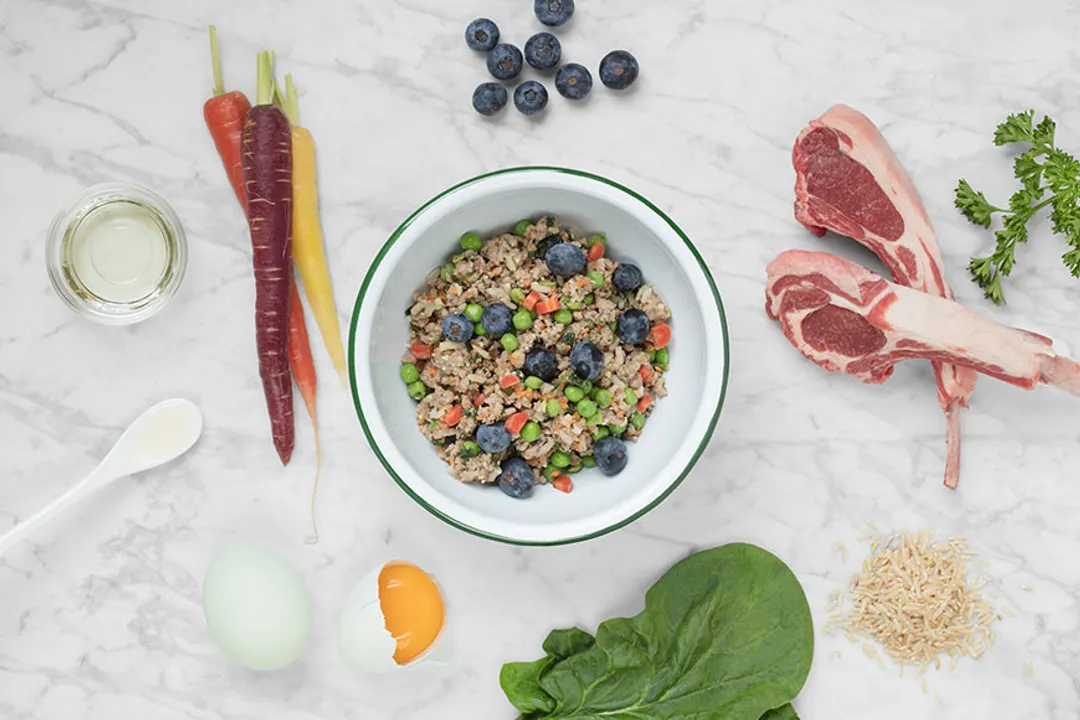
Transitioning to a more suitable diet requires careful planning, especially for a breed as spirited as the Cattle Dog, who might try to devour a new food bowl in seconds. Rushing this process is a recipe for disaster, even with the "right" food. [5]
One practical method many successful owners employ involves an extremely slow rotation when introducing new foods, which helps the dog’s microbiome adjust gradually. [5] A typical switch might take 10 to 14 days, blending the old food with the new in decreasing ratios. However, given the severity of some ACD sensitivities, some owners report needing to stretch this transition period to three or even four weeks, especially if they are moving from a grain-heavy kibble to a novel protein source or a raw preparation. [1][3]
When looking at commercial options, you will find a spectrum of recommendations. Some advocate for high-quality, grain-free kibbles specifically formulated for sensitive stomachs, often featuring limited ingredients. [7] Others lean toward specialized therapeutic diets prescribed by a veterinarian, which might utilize hydrolyzed proteins—proteins broken down so small that the dog's immune system cannot recognize them as an allergen. [2]
For those drawn to feeding methods that more closely mimic a natural diet, raw feeding, such as the BARF diet, is sometimes explored. [4] Proponents suggest that raw diets often contain fewer inflammatory carbohydrates and artificial additives, which appeals to owners seeking simplicity. [4] However, proponents of raw feeding must maintain strict hygiene and precise nutrient balance, as an improperly formulated raw diet can cause its own set of deficiencies or bacterial risks. [4]
For an actively working Australian Cattle Dog burning thousands of calories a day, assessing the energy density of their food relative to their activity level is critical. A common pitfall is feeding a diet marketed as "sensitive stomach" that is too low in calories for an ACD engaging in intense work. For instance, if your 50-pound Heeler runs miles daily, switching to a low-fat, low-calorie prescription kibble might solve the diarrhea but introduce lethargy and weight loss. The aim isn't just to avoid irritation, but to fuel performance. You should calculate the Resting Energy Requirement (RER) for your dog's weight and then multiply it by their activity factor to establish a baseline; then, compare that caloric need against the calories provided per cup of the new food. This helps ensure you are feeding enough volume without overfeeding the problematic ingredients. [9]
# Establishing Routine
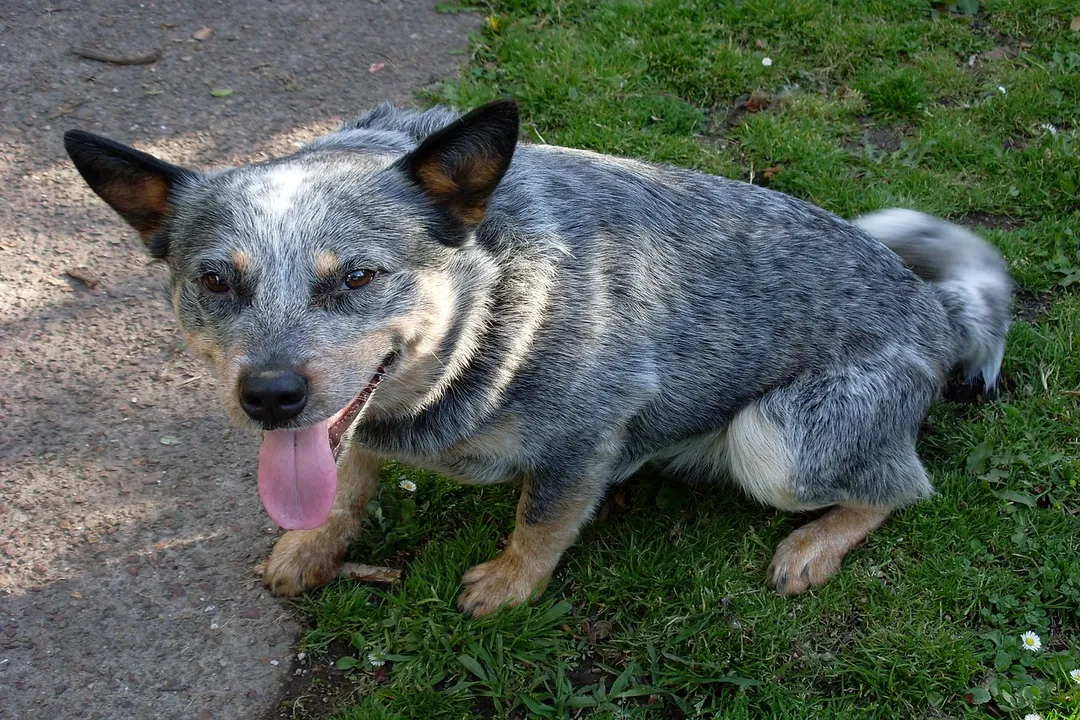
Beyond the specifics of the ingredient list, the way you feed your Cattle Dog can significantly impact their digestive comfort. This breed thrives on structure and predictability, a trait stemming directly from their herding instincts where routine is paramount. [6] An erratic feeding schedule—sometimes feeding in the morning, sometimes late afternoon, sometimes skipping a meal entirely because you are busy—can increase gut motility and sensitivity.
Try to establish two or three consistent feeding times daily, and stick to them religiously. This consistency helps regulate the production of digestive acids and enzymes, leading to a more predictable outcome in the litter box. [7] Furthermore, because ACDs often eat very quickly, using a slow-feeder bowl or puzzle feeder can be a game-changer. Ingesting air and wolfing down food too fast often leads to painful gas and can increase the likelihood of stomach upset. Taking an extra ten minutes for a meal via a specialized bowl forces slower ingestion, which aids both digestion and mental stimulation—a win-win for this intelligent breed. [9]

# Veterinary Guidance
When issues persist despite adjustments to over-the-counter foods, involving your veterinarian is essential. They can rule out underlying medical conditions that mimic food sensitivity, such as parasites, inflammatory bowel disease (IBD), or organ dysfunction. [7] A vet might suggest a formal food elimination trial, which is the gold standard for diagnosing a true allergy. This usually involves feeding a highly restricted diet—often a single novel protein or a prescription hydrolyzed diet—for 8 to 12 weeks to see if symptoms resolve. [2]
Remember, managing a sensitive stomach in an Australian Cattle Dog is often a partnership between owner observation and professional guidance. It requires patience, detailed record-keeping of inputs (what they ate) and outputs (stool quality, energy levels), and a willingness to test different, high-quality food bases until you find the precise fuel mix that keeps your resilient herder running smoothly. [2][7]
Related Questions
#Citations
Food for sensitive stomach : r/AustralianCattleDog - Reddit
Best Dog Food for an Australian Cattle Dog with a Sensitive Stomach
Heeler with sensitive stomach: diet recommendations needed
What's the Best Dog Food for an Australian Cattle? - ProDog Raw
What's the best dog food for an Australian Cattle Dog? - Marleybones
Australian Cattle Dog Breed | Best Food, Training, Grooming - Bil-Jac
Best Dog Food for Sensitive Stomachs - American Kennel Club
Australian Cattle Dog | Breed Guide - Scrumbles
Ideal Diet for Australian Cattle Dogs - iHeartDogs.com