What is special about Nguni cattle?
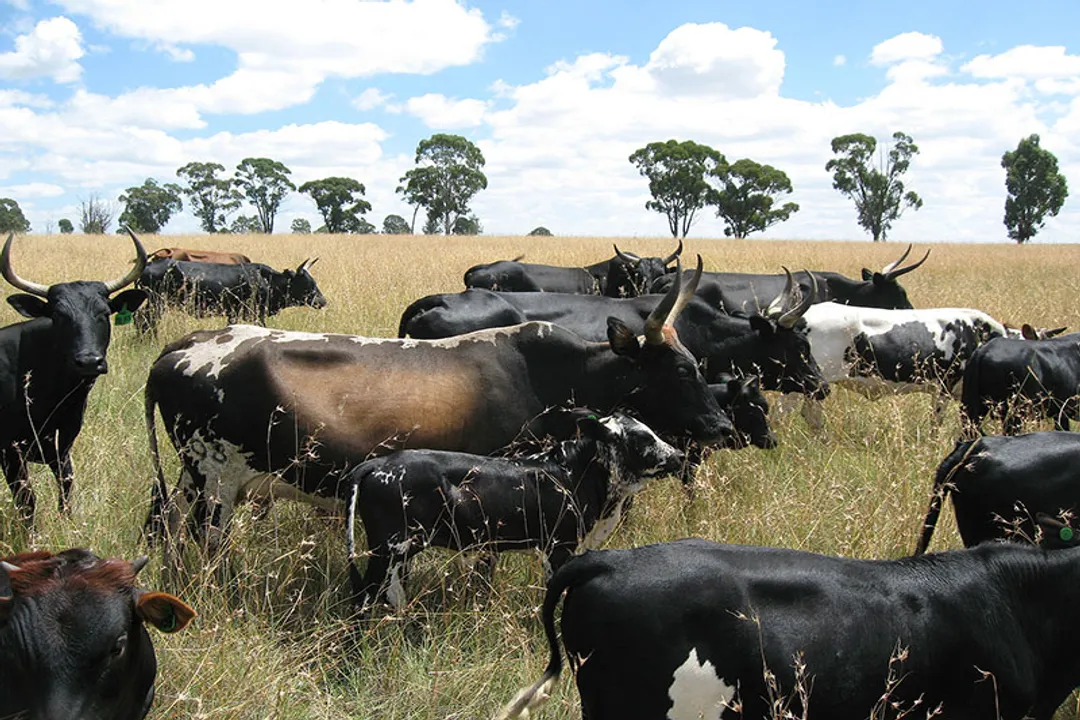
The Nguni cattle breed presents a compelling case study in animal husbandry, where survival, aesthetics, and deep cultural significance are interwoven. These animals are far more than just livestock; they represent a living piece of Southern African heritage, shaped by millennia of natural selection in some of the continent's most demanding landscapes. [4] Tracing their lineage, the Nguni is recognized as a sub-type of the African Sanga cattle, possessing characteristics derived from both Bos taurus and Bos indicus ancestors. [3] Their arrival in the southern regions is tied to the southward migration of the Bantu-speaking peoples, who brought their cattle with them centuries ago, an event that fundamentally shaped the region's pastoral culture. [1][4] As these tribes settled, the cattle adapted to varied ecological pressures, leading to the development of distinct ecotypes, yet retaining the core hardiness that defines the breed today. [4] Formal recognition of the breed as a unified entity came later, with concentrated efforts to breed true-to-type beginning in the 1930s and official acceptance into the South African Stud Book occurring in 1985. [4]
# Ancient Lineage
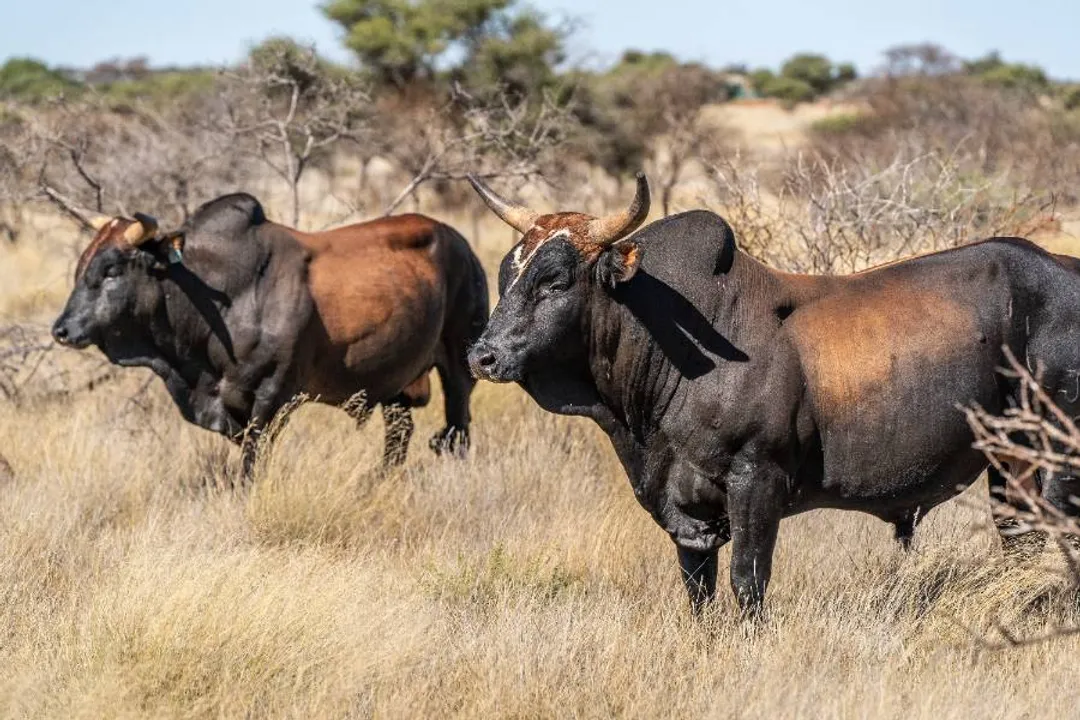
The historical path of the Nguni is marked by migration and adaptation. Ancestors of the modern South African Nguni entered the region following the migration of the Khoi-khoi (Hottentots) people from the central lakes area of Africa. [3] This process, spanning hundreds of years, subjected the cattle to intense environmental pressures, forcing evolution toward extreme resilience. These same traits are visible today in populations across Swaziland, Zululand, and Mozambique, where they are sometimes known as Landim. [3] For the communities that have kept them, especially the Zulu, this cattle line is deeply embedded in their social structure. Historically, the cattle provided not only sustenance but also materials; Nguni hides were famously fashioned into shields for Zulu warriors in the 19th century, with specific color patterns communicating regimental identity—black for youth, white for age and experience. This intimate connection means the Nguni is considered essential for economic, social, cultural, and even spiritual preservation within Zulu societies.
# Natural Toughness
What truly sets the Nguni apart in the modern agricultural landscape is its incredible physical adaptation to harsh conditions. [6] These cattle evolved in climatically severe, disease-ridden tracts of Africa, often characterized by periodic drought. [3] They are masters of low-input systems, showcasing an exceptional ability to handle extreme heat and cold, alongside intense light exposure, thanks to their thick, pigmented skins. [3][4][6] This hardiness translates directly into practical farming advantages: they display superior resistance to external parasites, especially ticks, and possess natural immunity against common tick-borne diseases that plague less adapted breeds. [4]
Their foraging behavior is another key survival mechanism. Nguni are renowned as excellent foragers, capable of grazing and browsing effectively across steep slopes and through thick bush, traversing long distances to find sustenance and water. [3][4][6] This broad dietary capability means they convert lower quality grazing into usable energy far better than many exotic breeds. [6] The efficiency of this conversion is notable, partly attributed to their internal physiology, such as higher urea levels that aid in utilizing lower-grade forage. [6] This inherent adaptability means lower veterinary bills and reduced demands on intensive feed management, offering a significant operational cost saving for farmers today. [4][6]
# Distinctive Look
A striking visual feature of the Nguni is the sheer variety in its physical presentation. No two animals look precisely alike, which contributes to the breed's distinctive appeal. [4] They exhibit a wide spectrum of colors and patterns—solid blacks, reds, browns, and whites are common, but they are perhaps best known for intricate combinations involving spots, stripes, or splashes. [1][4] This variation stems from natural selection across different ecological zones. [6] The coats are characteristically fine, short, and often glossy or oily, which aids in parasite defense. [4] Furthermore, their unique pigmentation offers inherent protection against eye and skin cancers. [6]
The structure of the animal also reflects its functional history. The breed is generally described as small to medium-framed. Bulls are muscular, typically featuring a pronounced, rounded cervico-thoracic hump situated forward of the forelegs, while cows possess only small or nearly non-existent humps. [3][4] A critical trait for reproduction is the sloping rump structure found in cows, which, combined with a low birth mass and smaller uterus, significantly reduces the incidence of dystocia, or difficult calving. [3][4] Horn morphology is also highly variable, often appearing lyre-shaped, though naturally polled individuals occur. [4] An interesting comparison can be drawn between the Nguni’s conformation, which some suggest leans more toward a dairy type, and its primary modern application in beef production. This suggests a unique combination of frame capacity for meat yield retained alongside the efficient, hardy build of its Sanga ancestors.
# Economic Value
When assessing the economic contribution of the Nguni, its efficiency shines through, especially in systems demanding low external inputs. [6] While not a specialized high-volume dairy breed, the milk produced by Nguni cows is rich and of above-average quality, serving as an important domestic food source. [1][6] However, its primary modern utility lies in beef production. [3][4] Nguni beef is frequently praised for its superior taste and tenderness. [6] A desirable trait for modern consumer preferences is that the fat cover remains thin, with marbling distributed well, while much of the total fat is concentrated around the surface of the carcass, resulting in a leaner product. [3] Finished carcasses typically dress out in the range of 180 to 220 kg. [3][4]
The breed's reproductive performance is a strong asset. Ngunis exhibit excellent fertility, early sexual maturity—particularly in heifers—and longevity, with cows often producing ten or more calves over a productive lifetime. [4][6] A direct measure of this efficiency is the weaning weight relative to the mother’s mass; cows regularly wean calves weighing between 45% and 50% of their own body weight. [3][4][6] This high efficiency of converting maternal resources into calf mass is what makes them an excellent choice for dam lines, even when crossbred, to produce calves that thrive in grass-fed beef operations. [6]
Considering the total cost of production offers an additional perspective on their value. The breed’s low maintenance requirements translate to reduced labor demands and lower feeding costs compared to more demanding breeds. [6] Farmers focusing on sustainable or organic production find Nguni cattle to be a strategic choice, as they require fewer antibiotics to maintain health in challenging environments where imported European breeds might struggle without significant medical support. [6] This ability to finish faster off native grass showcases an efficient conversion of the hectare's natural output into high-value meat. [6]
# Cultural Roots
To understand the Nguni fully, one must appreciate its place within the cultural fabric of Southern Africa, particularly for the Zulu and Swazi people. The animal is intrinsically linked to identity, wealth, and kinship. [1] In traditional Zulu homesteads, the cattle shed is often placed at the very center, with doorways facing it, physically demonstrating the centrality of the herd to family life. Beyond mere possession, the cattle serve as the very mechanism for cementing kinship bonds, notably through the tradition of lobola, the presentation of cattle from the groom's family to the bride's family during marriage negotiations.
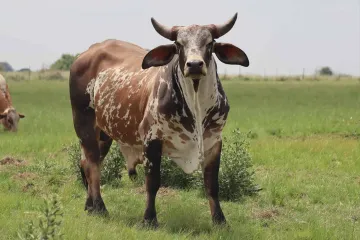
This cultural reliance has fostered a sophisticated, traditional naming system for the animals based on their hide markings. This system is deeply poetic, linking color patterns to images found in nature. For instance, one name might describe "The gaps between the branches of the trees silhouetted against the sky" for a heavily dappled animal, while another might reference "The hornbill takes to flight" based on a flash of white under a dark flank when the animal moves. This level of detail in classification underscores the intimate knowledge and high value placed upon individual animals, a contrast to modern systems focused purely on yield metrics. Furthermore, the temperament of the breed is noted for being docile yet alert, which ensures ease of handling, minimizing the need for extensive, expensive handling facilities. [4][6]
# Sustainable Future
The inherent qualities that allowed the Nguni to survive in the African environment position them exceptionally well for the future of agriculture, which increasingly demands sustainability and climate resilience. [6] Their ability to handle climatic extremes and efficiently utilize available, often lower-quality, feed sources makes them an attractive alternative to conventional systems. [3][6] Farmers outside of their native range, such as those in Australia, are utilizing Nguni genetics not just for purebred lines, but specifically to introduce this hardiness and dam-line efficiency into cross-breeding programs aimed at grass-fed beef production. [6] The emphasis on producing more saleable kilograms of meat per hectare using existing, natural feed sources—rather than requiring heavy external inputs—aligns perfectly with ecological farming goals. [6] The breed's inclusion in the Slow Food Ark of Taste further solidifies its value as a heritage breed worth preserving specifically because it offers a sustainable alternative to conventional, high-input feedlot cattle. This remarkable blend of ancestry, environmental fortitude, unique aesthetics, and cultural depth ensures the Nguni remains a breed of special importance, adapting its historical role to meet contemporary challenges in food production. [4][6]
#Videos
Nguni Cattle | Everything Farmers Need to Know About ... - YouTube
Related Questions
#Citations
Nguni | The Cattle Site
Nguni Cattle | Oklahoma State University - Breeds of Livestock
Nguni Cattle | Everything Farmers Need to Know About ... - YouTube
About Nguni | My Site
Nguni Cattle - Arca del Gusto - Slow Food Foundation
Nguni cattle Facts for Kids
Nguni | Animal Genetics Training Resources