What makes Kenya a unique geographical nexus concerning white rhino subspecies management?
Answer
It hosts both Southern White Rhinos and the last remaining Northern White Rhinos
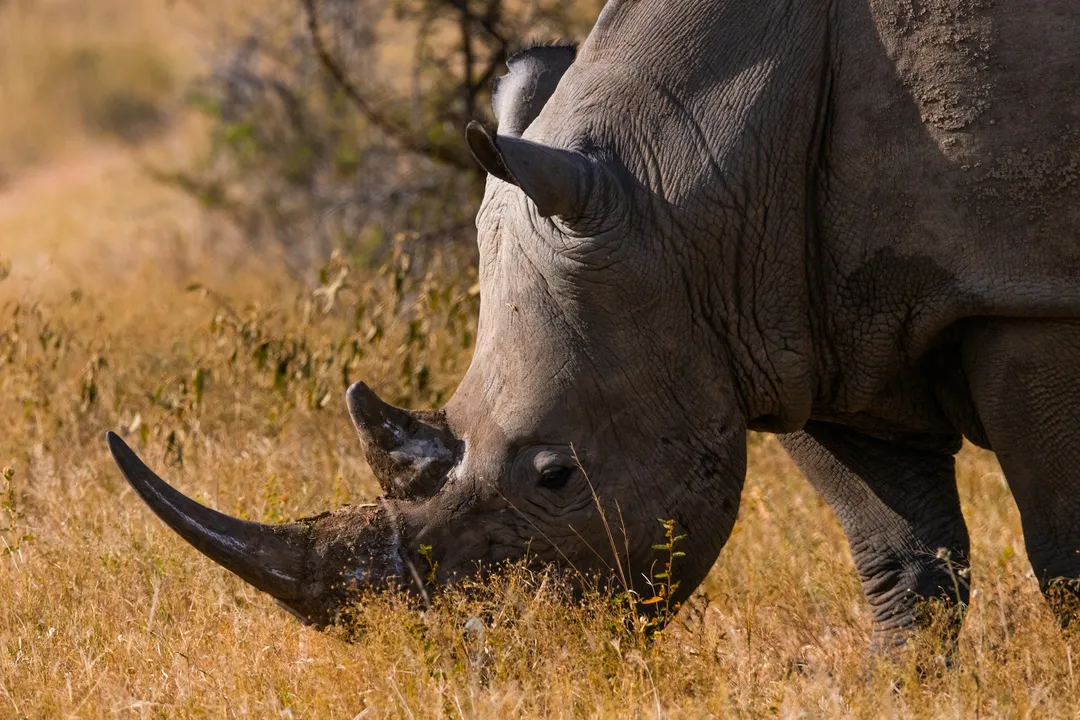
Kenya holds a unique status in white rhino conservation because it is one of the few places on Earth where both recognized subspecies coexist, albeit under vastly different circumstances. While the country maintains important, though smaller, populations of the generally successful Southern White Rhino (*C. s. simum*) as part of its general conservation efforts, it is also the site of the most crucial security measure: housing the very last surviving individuals of the critically endangered Northern White Rhino (*C. s. cottoni*) at highly secured facilities like Ol Pejeta Conservancy.
Related Questions
Which white rhino subspecies constitutes the overwhelming majority globally?Where are the last remaining Northern White Rhinos held under constant human care?What physical feature is characteristic of both *C. s. simum* and *C. s. cottoni*?Which country acts as the primary stronghold for the Southern White Rhino population?What type of environment do Southern White Rhinos generally favor in South Africa?Which Central African countries once formed part of the Northern White Rhino's historical range?What is the consequence of high-density management in fenced private reserves?What makes Kenya a unique geographical nexus concerning white rhino subspecies management?How does the environment for white rhinos in Namibia often compare to those in eastern parts of the continent?Where outside of Africa can white rhinos be seen in accredited zoological facilities?How has the white rhino survival equation shifted regarding location management?