White Rhinoceros Locations
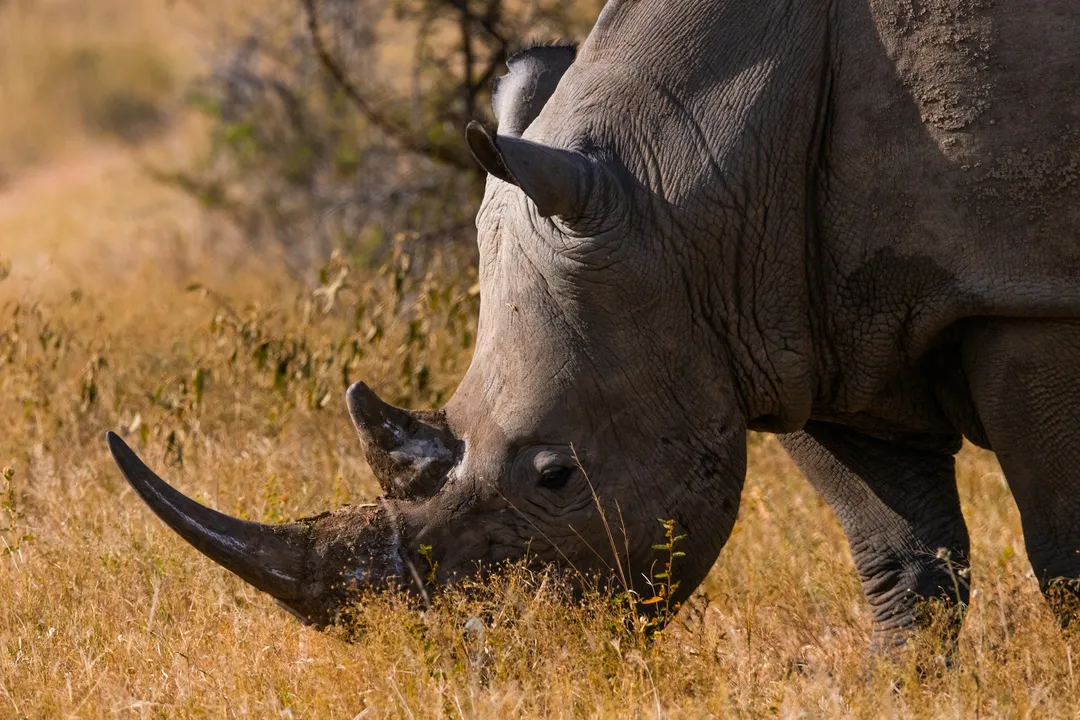
The white rhinoceros, Ceratotherium simum, stands as a conservation success story, yet its current geography reflects a tense, managed existence dictated by decades of intense poaching pressure. While it is the most numerous of all rhinoceros species, its distribution is far from natural; rather, it is highly concentrated in specific regions, primarily across Southern Africa, with smaller, carefully guarded populations elsewhere. Understanding where these magnificent animals live requires looking past simple continental boundaries and examining the split between the two recognized subspecies, which occupy vastly different zones on the map today.
# Two Forms

The modern distribution of the white rhino is fundamentally defined by the separation between the Southern White Rhino (C. s. simum) and the critically endangered Northern White Rhino (C. s. cottoni). These two forms, though visually very similar—both possessing the characteristic wide, square lip adapted for grazing—are geographically and numerically distinct.
The Southern White Rhino constitutes the overwhelming majority of the global population, numbering over 16,000 individuals across the continent and in managed populations worldwide. Their recovery has been remarkable, having bounced back from near extinction in the late 19th century, largely concentrated now in protected areas of South Africa.
In stark contrast, the Northern White Rhino’s location is almost entirely artificial in terms of survival today. While they once roamed areas of Central Africa, including Sudan, Uganda, the Democratic Republic of Congo, and Chad, the subspecies is functionally extinct in the wild. The last remaining individuals are held in highly secured facilities, such as the Ol Pejeta Conservancy in Kenya, existing solely under constant human care and protection. This divergence in location—one subspecies thriving in managed Southern African ecosystems and the other dependent on high-security, small-scale northern sanctuaries—highlights the fragmented state of rhino conservation.
# Southern Stronghold
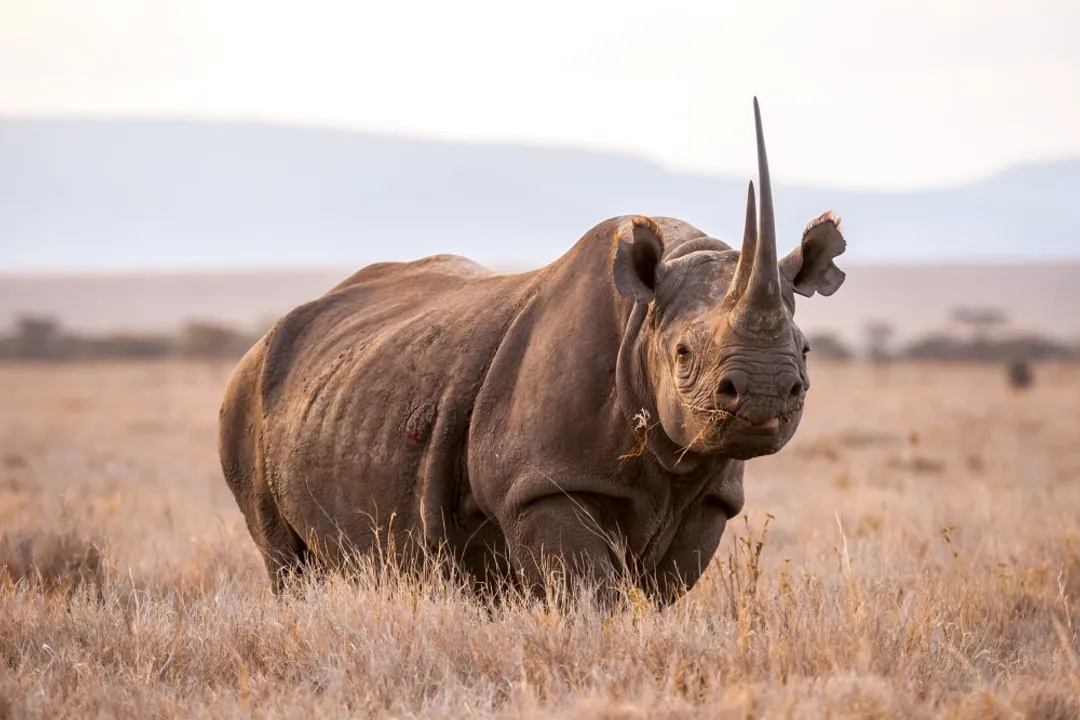
The heart of the white rhino’s current location lies firmly in Southern Africa. The vast majority of the world's Southern White Rhinos are found in South Africa, which acts as the primary stronghold for the species. Within South Africa, these rhinos inhabit various environments, generally favoring savannas and grasslands where their grazing lifestyle is most successful.
Beyond South Africa, significant populations have been successfully reintroduced or maintained in neighboring countries. Namibia hosts a substantial population, often thriving in more arid regions than their cousins in the eastern part of the continent, showcasing their adaptability to varied Southern African landscapes. Zimbabwe and Kenya also maintain important, though smaller, populations of the Southern subspecies. Kenya, interestingly, hosts both Southern White Rhinos as part of its general conservation efforts and the last few Northern White Rhinos, creating a unique geographical nexus for the species.
When considering where these rhinos are physically located, it is helpful to separate them into two management categories: those residing in large national parks and those kept on private game reserves. In many private reserves, especially those adjacent to major conservation areas like the Greater Kruger ecosystem, populations are managed intensively, allowing for high densities of animals within fenced boundaries. This high-density management contrasts sharply with the historical, vast migratory range they once occupied. While this intense management has saved the species, it also creates a unique, localized vulnerability; should a disease outbreak or a coordinated poaching event occur in one of these population hubs, the impact on the global total would be disproportionately severe compared to a more widely distributed population across multiple, smaller habitats.
# Protection Zones
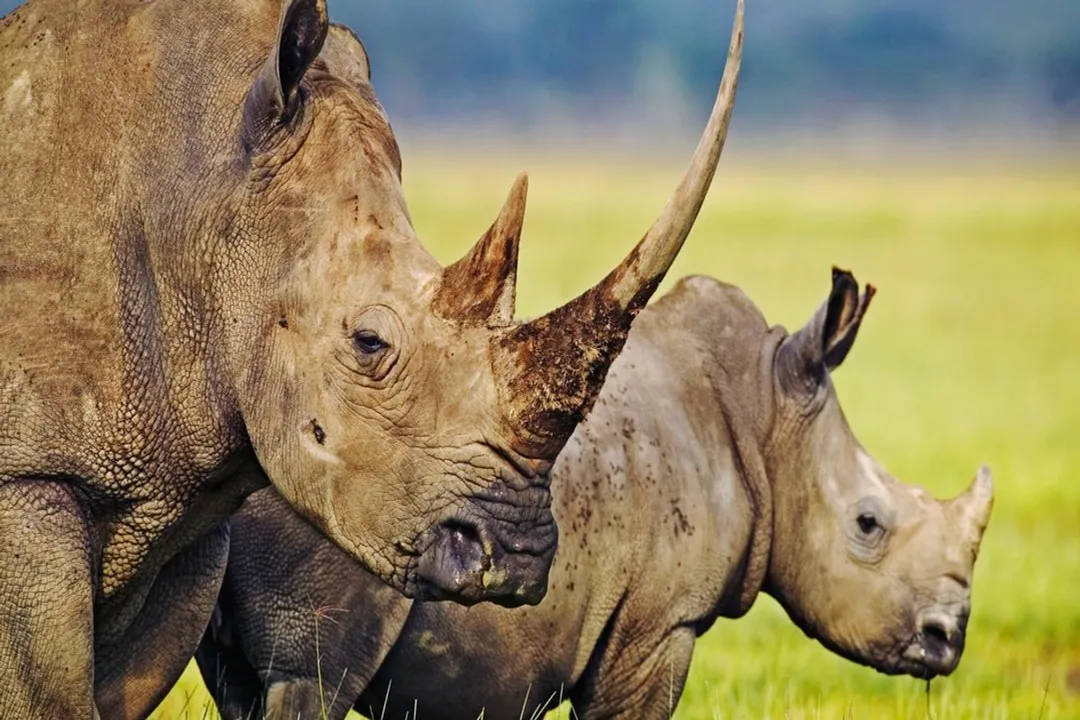
The location of every surviving white rhino is inextricably linked to formalized protection measures, whether state-run or privately funded. The survival equation for the white rhino has shifted from one of natural range management to one of necessary, often militarized, sanctuary management.
For the Southern White Rhino, locations are defined by degrees of protection. National parks offer broad protection, but private land, often managed by conservation organizations or dedicated trusts, frequently employs more aggressive anti-poaching measures and higher stocking densities. Organizations are actively working to move rhinos out of high-risk areas to bolster populations in safer zones, meaning the "location" of a rhino herd can change rapidly based on security assessments. For example, conservation groups work to establish new populations in countries like Uganda, reintroducing the species where they were previously decimated.
The status of the Northern White Rhino population provides the ultimate example of location dictated by extreme security protocols. The few remaining individuals are kept under 24-hour armed guard in a secure sanctuary in Kenya. Their location is not based on optimal historical habitat but on the absolute necessity of physical safety to prevent their complete extinction.
| Country | Subspecies Presence | Typical Location Type | Conservation Status Note |
|---|---|---|---|
| South Africa | Southern | National Parks & Private Reserves | Holds the largest global population |
| Namibia | Southern | Semi-arid protected areas | Significant reintroduced population |
| Kenya | Southern & Northern | High-security sanctuaries | Home to the last Northern Rhinos |
| Zimbabwe | Southern | Various protected sites | Stable, though smaller, population base |
# Viewing Locations
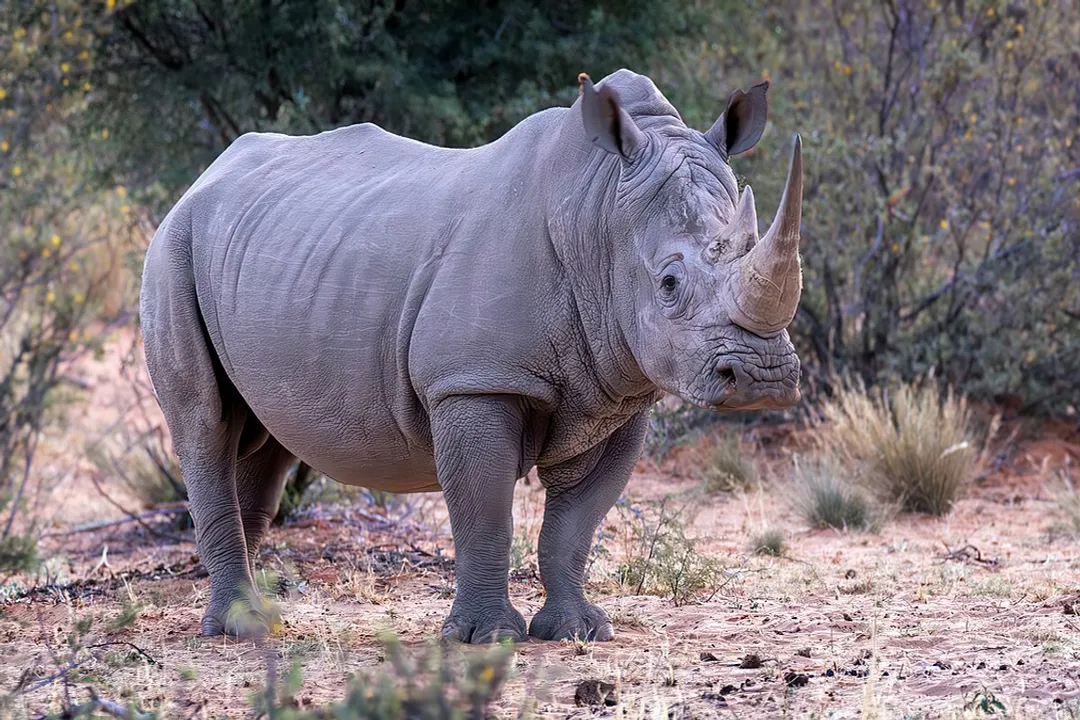
For ecotourists interested in seeing white rhinos in their managed environments, the locations align closely with the areas holding the highest Southern White Rhino numbers. Safari destinations in Southern Africa are the most reliable places for sightings. Kruger National Park in South Africa, one of the continent's largest game reserves, is famous for its high concentration of rhinos. Similarly, many private reserves bordering the park or operating independently offer incredible, often more intimate, viewing opportunities.
Travel into Namibia and Zimbabwe also provides chances to see these grazers in their naturalized habitats, often in slightly drier bushveld settings than the lush grasslands of KwaZulu-Natal reserves. East African countries like Kenya and Tanzania, while perhaps more famous for the other rhino species, still host populations of the Southern White Rhino in parks like Ol Pejeta, which is also famous for its role in safeguarding the Northern subspecies.
It is important for travelers to recognize that a sighting in a vast, fenced private conservancy in South Africa—where the rhinos may be darted and moved for population management—offers a fundamentally different context than spotting a rhino in a strictly monitored, small-scale facility guarding the last of the Northern lineage. In the former, you are witnessing a successful, albeit controlled, ecological recovery in a large space; in the latter, you are witnessing the very definition of ex situ survival, where the location itself is a fortress against total loss. Outside of Africa, individuals can be seen in accredited zoological facilities across the globe, such as the San Diego Zoo Wildlife Alliance and facilities that participate in Species Survival Plans, serving as ambassadors for their wild counterparts. These zoo locations are critical for research and public education, ensuring that the story of their geographic plight—from widespread distribution to restricted sanctuaries—is widely known.
Related Questions
#Citations
White rhinoceros - Wikipedia
White Rhino - International Rhino Foundation
Ceratotherium simum (white rhinoceros) - Animal Diversity Web
Distribution & Habitat - White Rhinoceros (Ceratotherium simum ...
White Rhino - World Wildlife Fund
Northern vs Southern White Rhino: What Is The Difference?
White Rhinos in Africa: Where to See Them - Voyage2Africa
White Rhinoceros | San Diego Zoo Wildlife Alliance
[PDF] White Rhinoceros