White Ferret / Albino Ferrets Diet
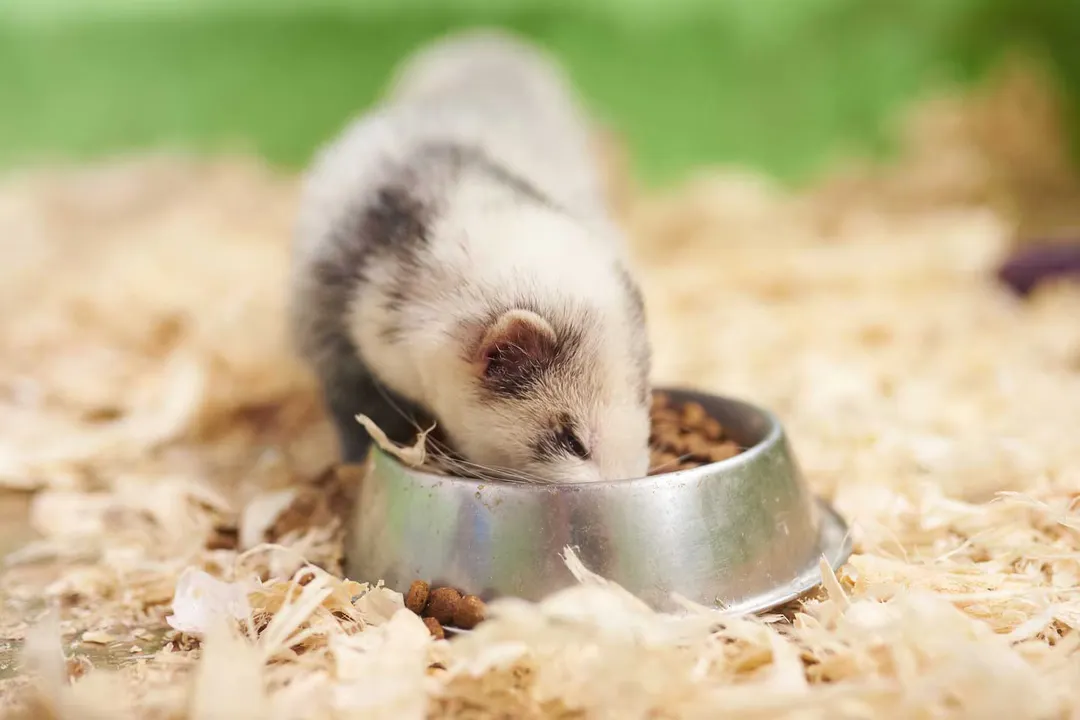
Understanding the dietary needs of a white ferret, or any ferret for that matter, starts with recognizing their fundamental biology: they are obligate carnivores. [2][5][7] This means their systems are specifically designed to process meat, fat, and bone, requiring very little, if any, plant matter to thrive. Whether your companion has a traditional sable coat or the striking white coloration of an albino, their digestive tracts are short and built for speed, optimized for animal-based nutrition. [5] For white ferrets, while their unique pigmentation might necessitate extra care regarding sun exposure, their nutritional baseline remains identical to their colored counterparts. [4]
# Obligate Carnivores
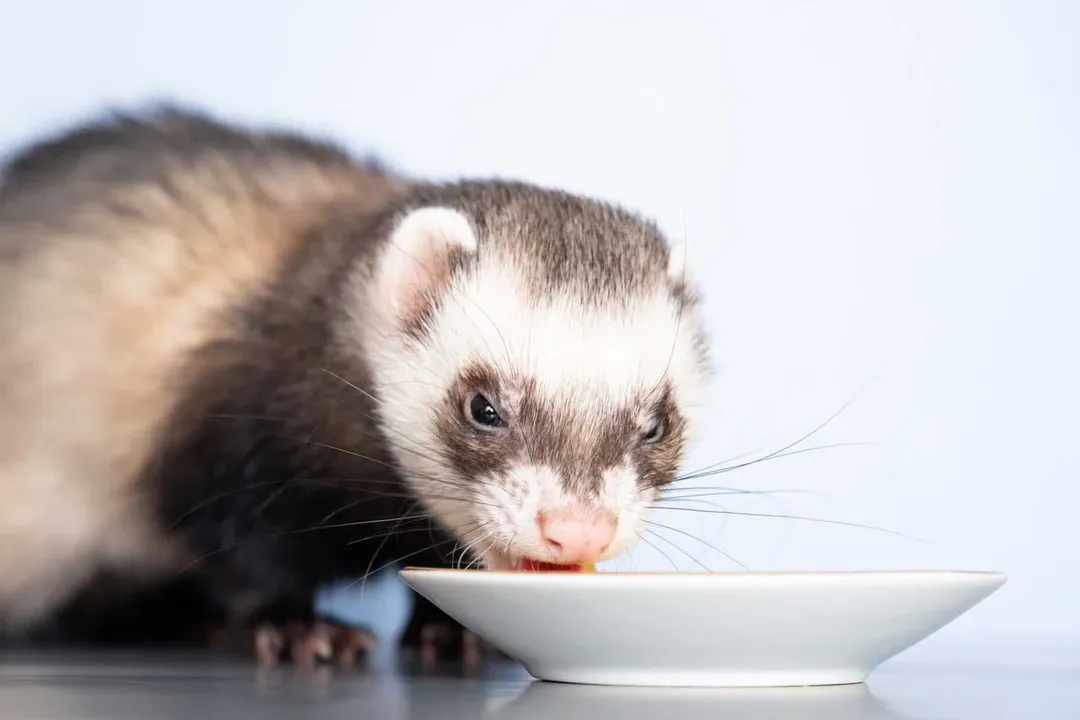
The core of a healthy ferret diet revolves around high levels of animal protein and fat, paired with minimal carbohydrates and fiber. [2][7] When analyzing what constitutes a correct diet, experts consistently point toward specific ratios that must be met, whether you choose a commercial kibble or opt for a more raw or whole-prey approach. [5][9]
Ideally, the diet should contain:
- Animal Protein: Between 30% and 40%. [2][7] This must come from animal sources, not plant-based proteins like corn gluten or soy, which ferrets cannot properly digest. [5]
- Fat: Between 18% and 30%. [2][7] Fat is an essential energy source for ferrets.
- Fiber and Carbohydrates: These must be extremely low. Fiber should be no more than 3%, and carbohydrates should be similarly restricted. [5][7]
Ferrets naturally hunt small prey, meaning their ancestral diet is rich in meat, bone, and organs. This is why many experienced keepers lean toward commercially prepared diets that mimic this structure or use raw, whole prey items. [5][9] If you are feeding dry food, it should be a high-quality kibble specifically formulated for ferrets—not for cats or dogs, as those formulations will not meet the required nutrient balance. [7][3]
# Kibble Selection
Choosing the right commercial food requires careful label inspection. Since kibble is the most common feeding method, knowing what to look for ensures you are providing necessary nutrients. [1][3]
When you examine the ingredient list, the very first ingredient must be a recognizable meat source, such as chicken, turkey, or lamb. [2][7] Be wary if you see grains or plant proteins like corn or peas listed near the top, as this suggests the food relies too heavily on carbohydrates, which ferrets struggle to break down. [5]
A quick reference table summarizing ideal commercial food guidelines can be extremely helpful for comparison shopping:
| Nutrient | Ideal Range (Dry Matter Basis) | Notes |
|---|---|---|
| Protein | 30% - 40% | Must be animal-derived [2][7] |
| Fat | 18% - 36% | Essential energy source [2][7] |
| Fiber | Maximum 3% | Lower is better [5][7] |
| Carbohydrates | Very Low | Avoid peas, corn, fruits [5] |
Sometimes, owners confuse high-protein cat foods with ferret food. While cat food often has adequate protein, the fat content may be too low, and the carbohydrate load is usually too high for long-term ferret health. [9] Furthermore, look for foods that are "grain-free" or clearly state meat meals as primary ingredients over rendered byproducts, though some high-quality meat meals are perfectly acceptable. [3]
# Protein Quality Check
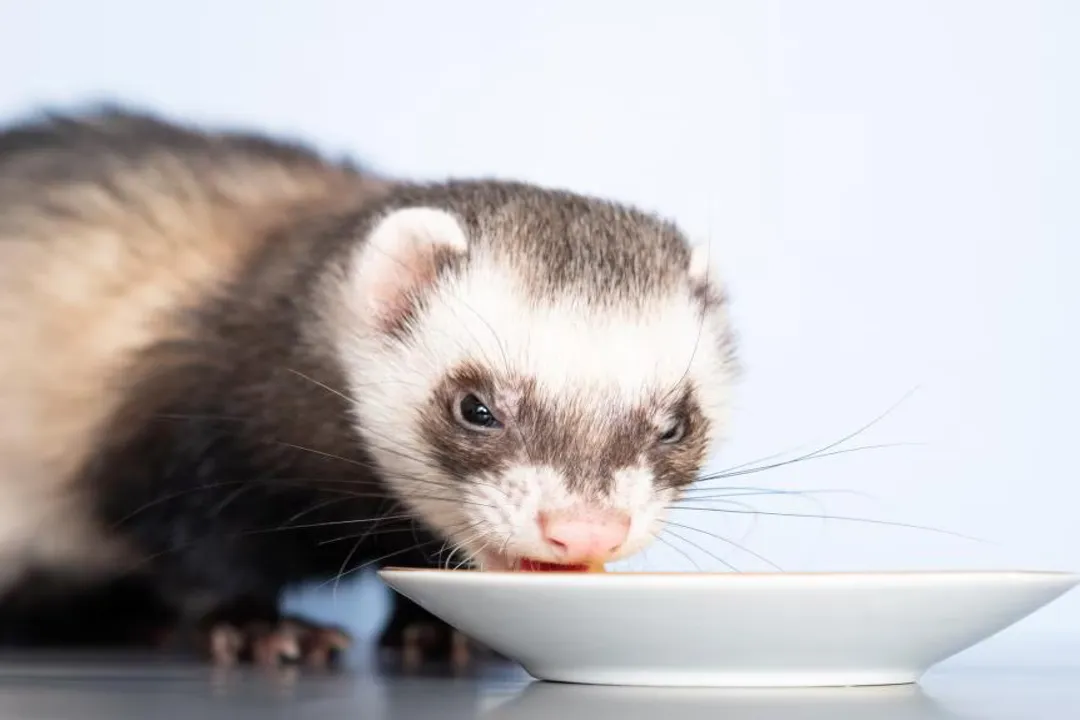
While following the percentages is vital, an even deeper dive into the ingredient panel provides better insight into the quality of the protein being offered. A common pitfall is seeing "Chicken Meal" or "Turkey Meal" listed, which are concentrated sources of protein, but a savvy owner should also check the subsequent ingredients. If you see a list dominated by "Pea Protein," "Corn Gluten Meal," or high amounts of starches shortly after the primary meat source, the actual biologically available animal protein might be lower than the guaranteed analysis suggests. [5] Think of it like building with blocks: you want mostly strong, animal-based blocks, not fillers masquerading as protein substitutes. If the food relies on plant protein isolates to push the percentage up, it is not meeting the true needs of the ferret’s digestive anatomy, which lacks the necessary enzymes for efficient processing of complex plant matter. [5]
# Dietary Dangers
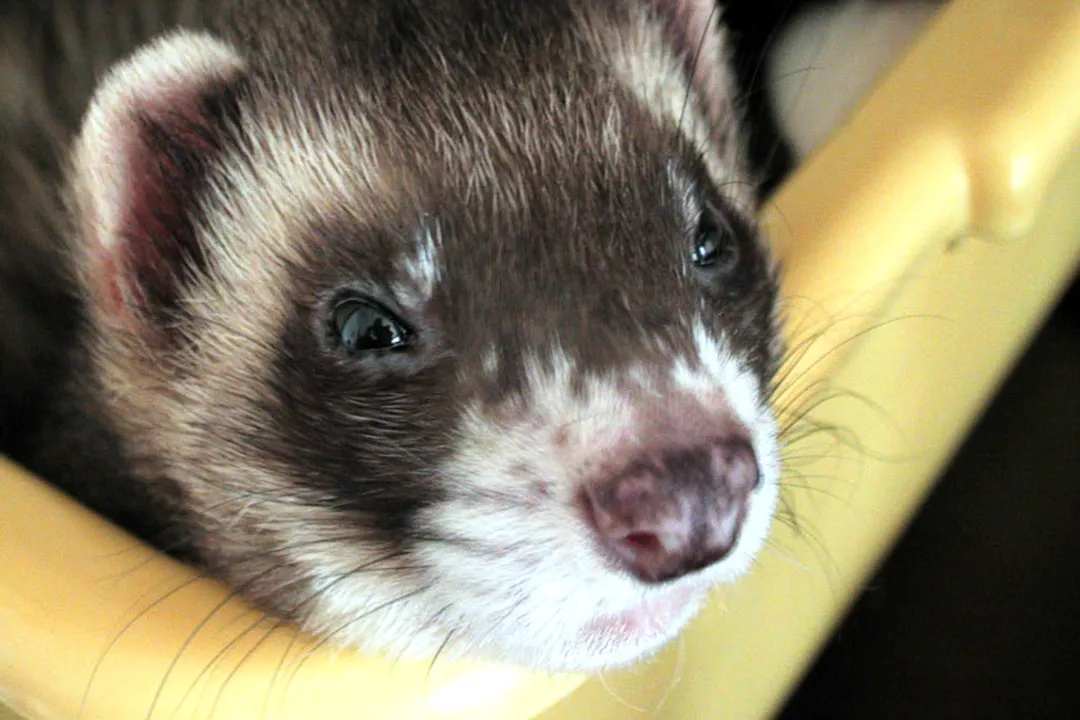
The consequences of an inappropriate diet can be serious, often leading to preventable health crises in ferrets. [5][9] Because their digestive tracts move food so quickly, undigestible materials can cause blockages or fail to provide necessary nutrition. [1]
Foods that should never be routinely fed include:
- Sweets and Sugars: This includes fruits, raisins, and sugary treats. Sugar offers no nutritional benefit and is strongly implicated in the development of serious conditions like insulinoma. [5][9]
- Vegetables and High-Fiber Items: Ingredients like corn, peas, potatoes, and beans are indigestible fillers for ferrets. They displace the necessary meat content and can contribute to urinary stones or blockages. [5][1]
- Dairy: Ferrets are lactose intolerant; milk products cause diarrhea and digestive upset. [1]
- Cooked Bones: While whole prey includes bone, cooked bones become brittle and can splinter, posing a serious choking or perforation hazard. [5]
If you offer treats, they must also align with the carnivorous requirement. Small pieces of cooked meat, meat-based commercial treats, or even specific ferret dental chews are much safer options than anything plant-based or sugary. [3][7]
# Water Access
Hydration is non-negotiable for any animal, and ferrets require constant access to fresh, clean water. [8][5] The delivery method, however, can spark debate among owners.
Many use sipper bottles, which keep the water clean and reduce spillage, but this method requires regular monitoring to ensure the spout hasn't become clogged or that the ferret hasn't damaged the seal. [5] If using a bottle, it should be checked daily to confirm water flows freely.
Conversely, many veterinarians and experienced keepers prefer heavy, ceramic, or stainless steel bowls because they allow the ferret to drink naturally, lapping water more like they would in the wild. [8] The main drawback is that bowls are easily tipped over or soiled with bedding or kibble. To mitigate this, look for low, heavy bowls that are difficult to move, or consider placing the bowl inside a dedicated, heavy saucer or tray to contain inevitable messes. [5] Regardless of the method, the water source must be cleaned daily. [8]
# Routine Feeding
Ferrets have a very fast metabolism, meaning food passes through their system quickly, and they tend to eat many small meals throughout the day. [6] This rapid transit time makes them less suited to traditional twice-daily feeding schedules unless they are being hand-fed wet diets.
For most owners feeding dry kibble, free-feeding—leaving dry food down at all times—is the accepted standard. [6] This allows the ferret to graze as their metabolism demands, which supports stable blood sugar levels. If you are introducing a new ferret or managing a ferret with specific weight concerns, you might measure out daily portions, feeding two or three times a day, but this requires careful monitoring to ensure adequate intake. [6]
When transitioning a ferret, whether an albino or not, to a new food, patience is key. Ferrets can be notoriously fussy eaters, sometimes preferring an old, less-nutritious food over a healthier new option. [4] When switching, always mix the new food in gradually with the old food over a week or more, slowly increasing the ratio of the new food to encourage acceptance. [3] Monitoring the stools during this transition period is essential; any prolonged soft stool or diarrhea indicates the gut isn't adjusting well, and you should revert to the previous food while seeking advice. [4] This observational step is particularly important because a ferret showing digestive distress might appear more lethargic or off-color, which can be more noticeable in a white-coated pet.
Related Questions
#Citations
What do ferrets eat? The best food for your ferret and the worst
What Do Ferrets Eat? | PetMD
What should I feed my ferrets? | Blog - Burgess Pet Care
what diet for 8 week old ferret? - Facebook
Caring for Your Pet Ferret - NC State Veterinary Hospital
Getting a ferret, whats the usual routine? - Reddit
What Do Ferrets Eat? The Best Ferret Food—and What To Avoid
Caring for your ferret | Training and feeding - Blue Cross
Feeding Ferrets | VCA Animal Hospitals