What key modification defines the Yokohama's tail cycle compared to its Asian progenitor fowl?
Answer
Extreme annual molt
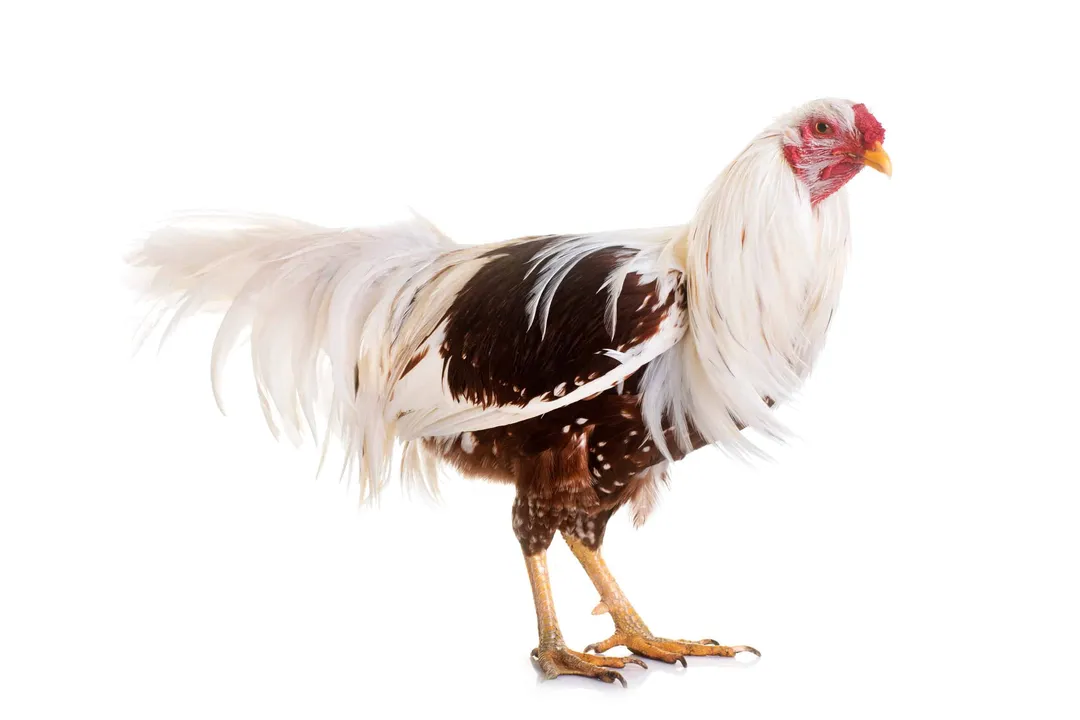
A critical factor in the successful divergence and stabilization of the Yokohama as a distinct breed involved altering the feather cycle relative to the *Onagadori*. The original Asian fowl suffered from an extreme annual molt that severely impacted the continuation of tail growth. Western breeders, through their selection process, successfully stabilized traits in the Yokohama that reduced this extreme annual molt, allowing the tail feathers to be impressive yet manageable, often shedding seasonally in a manner comparable to standard chicken breeds, thus cementing its identity as a separate entity.
#Videos
Ayam Yokohama Chicken Growth Time Lapse Day 1 to ... - YouTube
Related Questions
What foundational fowl stock originated the Yokohama chicken line?What status does The Livestock Conservancy assign to the Yokohama chicken population?What type of comb is specified in the established Yokohama breed standard?How do established Western Yokohama tail feathers compare to extreme Onagadori specimens?What did Western breeders prioritize alongside hardiness in Yokohama development?What contrasting plumage is noted beneath the shoulders in the Red Shoulder Yokohama variety?Approximately how many eggs per year do Yokohama hens typically lay?What physical tendency necessitates secure vertical containment for active Yokohama birds?Which port city is directly associated with the initial export of Yokohama foundation stock?What key modification defines the Yokohama's tail cycle compared to its Asian progenitor fowl?