What is the origin of a Silkie chicken?
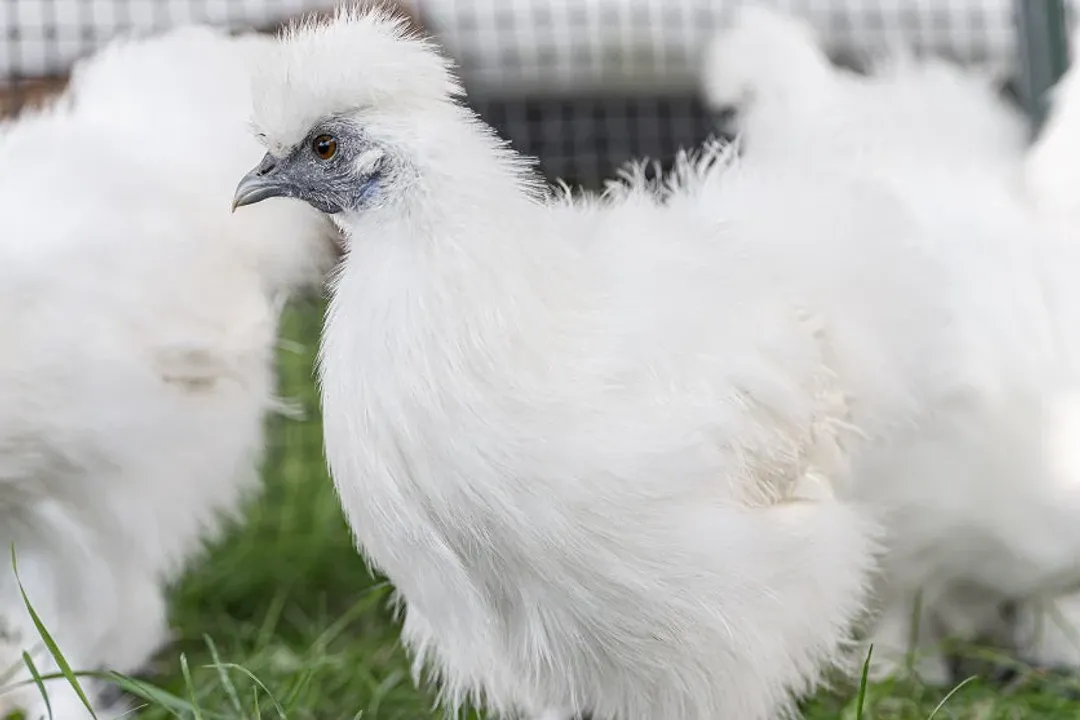
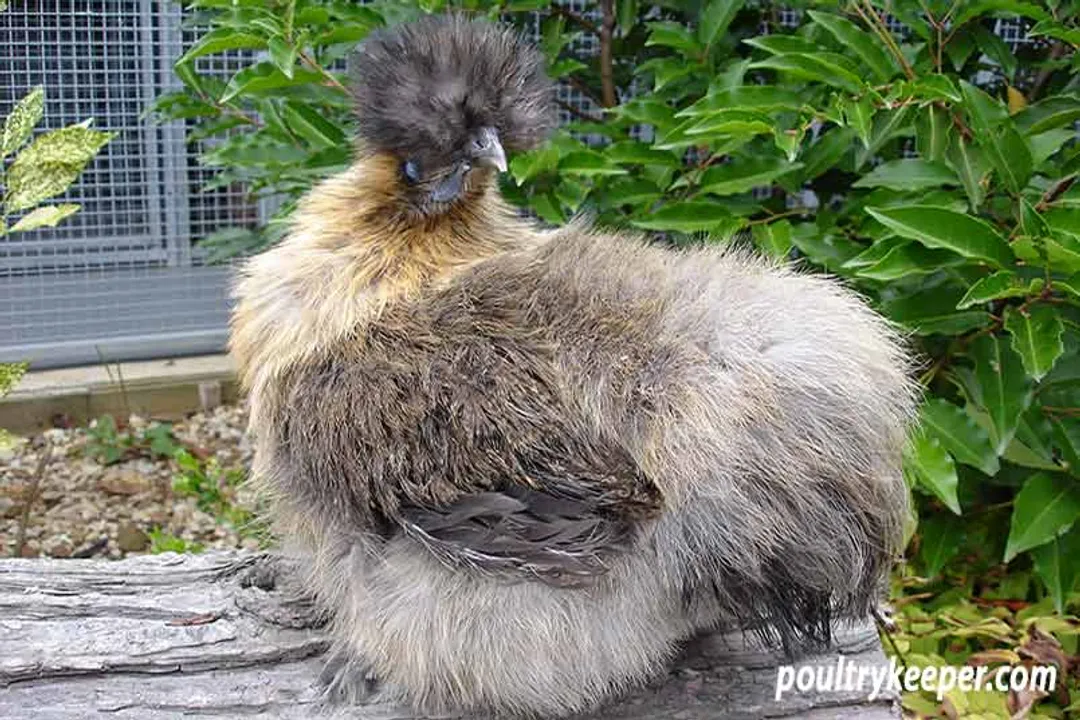
The Silkie chicken is immediately recognizable, setting it apart from nearly every other domestic fowl with its soft, fluffy plumage that resembles fur or silk more than traditional feathers. [1][2][3] This unique appearance immediately sparks curiosity about its beginnings, prompting many to wonder just how such an extraordinary bird came to exist. While the breed is beloved globally today for its gentle nature and ornamental appeal, its history is deeply rooted in ancient Asia, specifically tracing back to China. [1][2][4][5][7][9] The very traits that define the Silkie—the downy coat, the black skin, and the signature crest—were developed and selected over centuries in its land of origin. [1][5]
# Ancient Beginnings
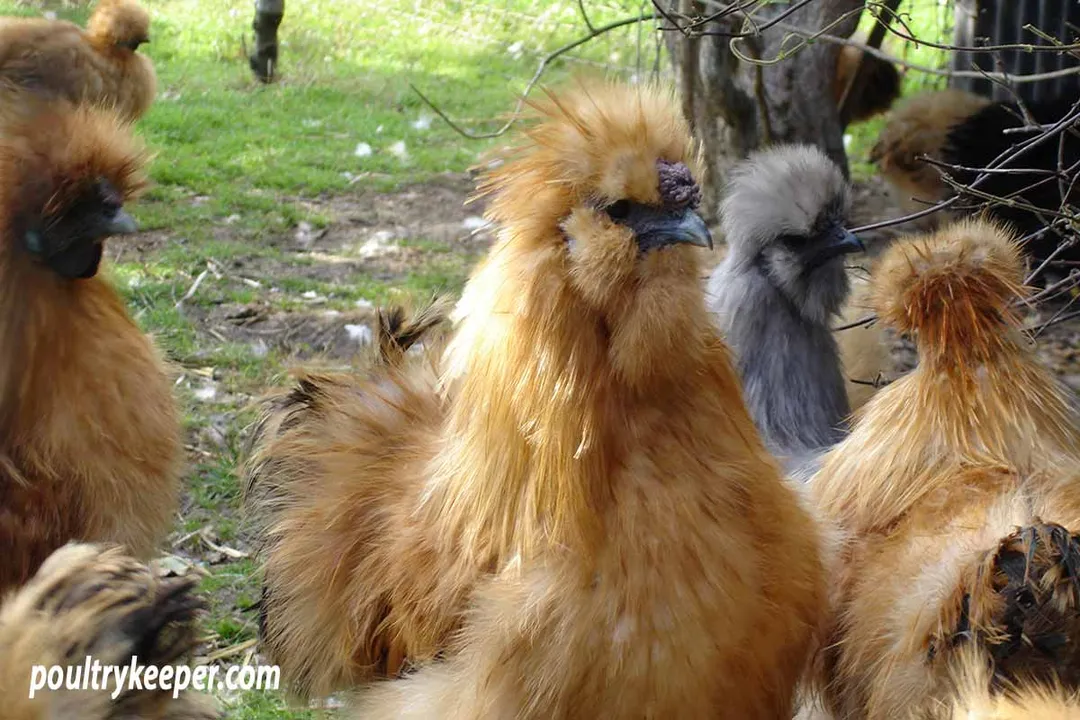
The history of the Silkie predates modern documentation, placing it among the oldest known chicken breeds. [9] These birds developed in China, where their distinct characteristics were likely first appreciated by breeders centuries ago. [1][2][5] It is important to note that Silkie is a rather modern, descriptive name given in the West; in its homeland, the breed has often been known by other terms, sometimes translating to "tufted" or "woolly" chicken, directly describing its unusual feather structure. [5]
The most scientifically fascinating aspect linked to its origin is a condition called fibromelanosis. [1][6] This genetic trait is responsible for the Silkie’s black skin, black bones, and dark meat—features that stand in stark contrast to most other chicken breeds whose flesh and skin are typically pale. [1][6] The presence of this trait suggests an ancient, specialized breeding program within China focused on enhancing these unique, highly visible characteristics. [1] While the exact timeline of its domestication is murky, genetic research indicates that this mutation likely arose and became fixed within the Chinese population of Gallus gallus domesticus long ago. [6] It's quite remarkable that a single genetic marker, fibromelanosis, is so strongly associated with this breed that it essentially serves as a key identifier alongside the feathering. [1]
# Polo's Fowl
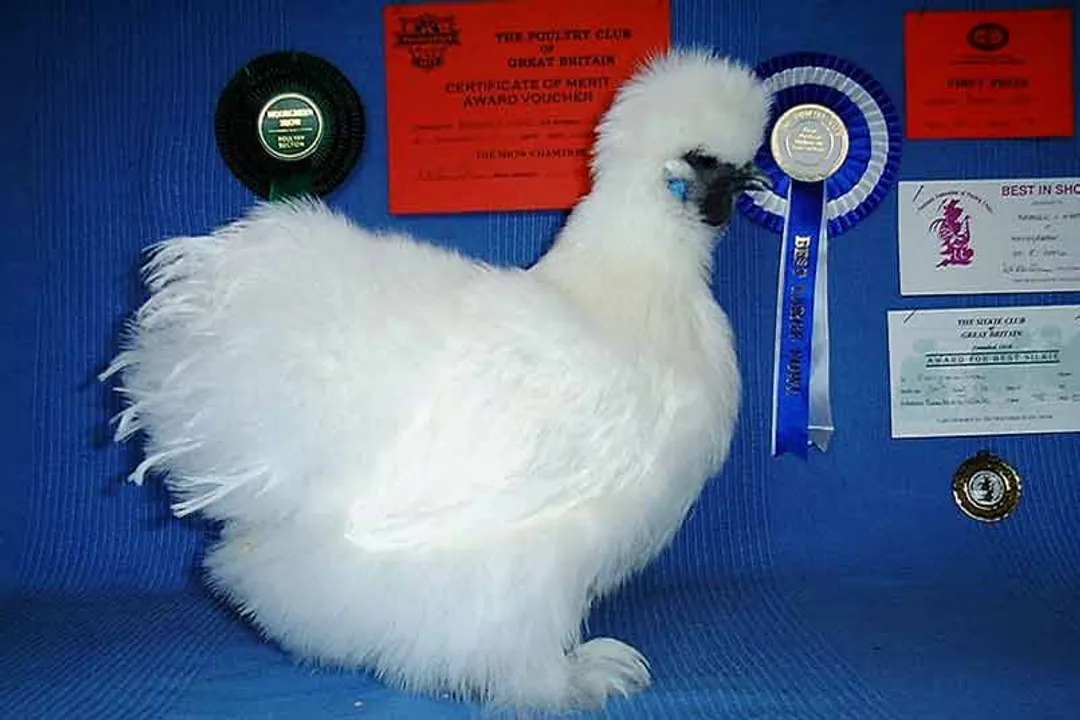
The Silkie’s transition from an exotic Eastern curiosity to a documented breed in the West is often credited to the famous explorer Marco Polo. [7] In the late 13th century, while traveling in Asia, Polo documented chickens that possessed soft, hair-like feathers, describing them as being "as black as ebony" underneath their coating. [1][7] This description, recorded in his travel accounts, is widely considered the first written reference to the Silkie outside of its native China. [1][7]
It is worthwhile to pause and consider the significance of Polo's documentation in the context of poultry history. While many common chicken breeds spread through agricultural exchange, the Silkie's initial introduction to the European consciousness seems tied more to novelty and curiosity rather than a sudden influx for widespread farming. [7] Polo's account serves as an early testament to the breed's striking difference. For centuries after, the Silkie remained a rarity in the West, often treated as an almost mythical creature or a collector's item, which likely kept its population numbers low outside of Asia until more consistent trade routes were established. [4]

# Genetic Uniqueness
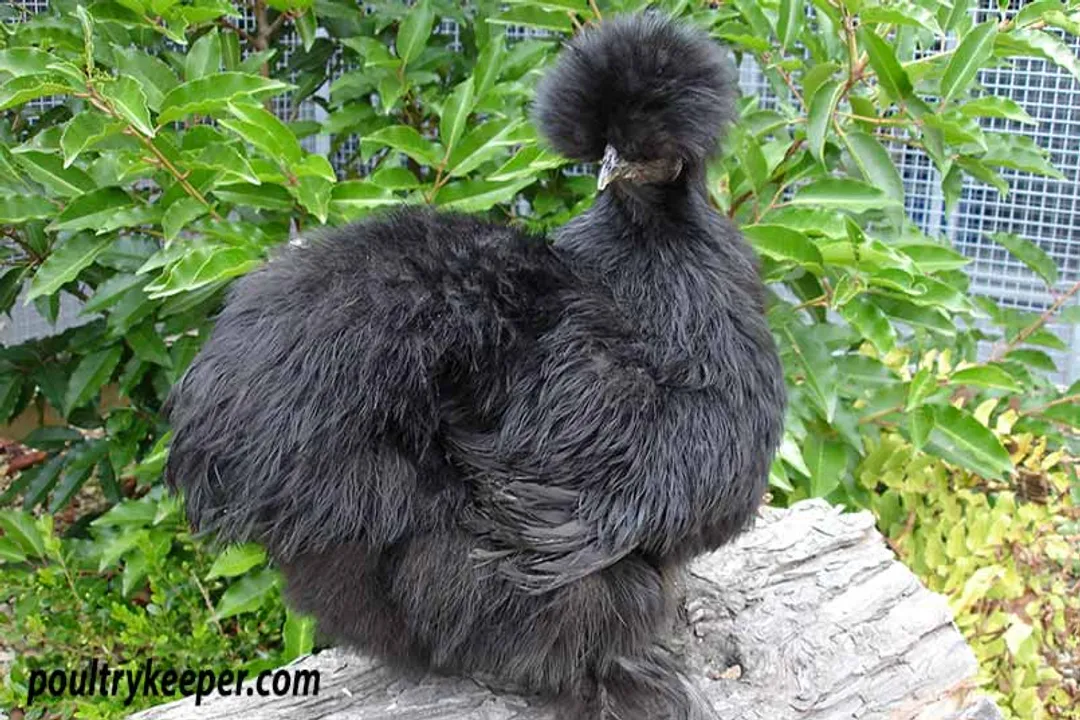
The striking appearance of the Silkie is not merely cosmetic; it stems from specific genetic quirks that breeders have consciously propagated. [1][3] The primary characteristic is the feather structure. Unlike standard chickens whose feathers have barbules that hook together to create a firm vane, the Silkie’s feathers lack these hooks. [1][3] This absence prevents the feathers from forming a tight, weatherproof layer, resulting in the soft, fluffy texture that resembles down or fur. [1][3] Interestingly, this specific type of feathering has been the subject of modern genetic study, sometimes being referenced alongside research into the genetic underpinnings of different poultry traits. [6][10]
The second defining genetic feature, already mentioned, is the fibromelanosis causing the black pigmentation. [1] This trait extends beyond the skin to the periosteum (the membrane covering the bones), the meat, and even the internal organs, such as the intestines. [1] Furthermore, Silkies possess other distinct physical markers: they have five toes instead of the usual four, they sport a prominent crest of feathers on their heads, and their earlobes are often a distinctive shade of bluish-black or turquoise. [1][2] The combination of these five features—silky plumage, five toes, black skin, blue earlobes, and crest—is what solidifies the identity of the breed according to modern standards. [1]
When comparing the development of the Silkie to, say, the broiler chicken, the difference in selection focus is stark. While utility birds were bred for rapid growth and meat yield, the Silkie’s long history in China suggests an early and sustained focus on ornamental aesthetics and, perhaps, traditional medicine, rather than purely caloric output. This deep historical bias toward appearance explains why the breed has retained such extreme deviations from the ancestral wild junglefowl template. [1][3]
# Spread Westward
While the Silkie originated in China, its introduction and formal recognition in the Western world took a considerable amount of time. [1] As a highly sought-after ornamental bird, its arrival in Europe and North America was gradual. [4] By the mid-19th century, the breed began to gain traction in Britain and the United States, often through imports from Asian trade centers. [1]
The development of distinct varieties in the West showcases the breed's adaptability and the different ways it was embraced by various cultures. For instance, in the United States, the Silkie was officially accepted into the American Poultry Association's Standard of Perfection in 1883, marking its formal recognition within the American exhibition scene. [1] In Australia, where many sources trace their stock from, the breed has also been consistently bred and standardized, often distinguishing between Standard and Bantam sizes. [9]
It is important to recognize that not all Silkies arriving in the West carried the full suite of exotic traits initially. Some early imports might have been crosses, leading to variations in crest size or skin color before dedicated breeding programs in Europe and the Americas standardized the desirable traits we see today. [1] The fact that the breed is recognized globally in both Standard (larger) and Bantam (smaller) varieties speaks to the success of breeders in maintaining the core characteristics while adapting the size for different preferences, such as smaller backyard flocks. [2]

# Pigmentation and Brooding
The dark pigmentation of the Silkie has implications beyond just appearance, and this knowledge would have been crucial for ancient caretakers. [1] In many parts of Asia, black-skinned chickens, including the Silkie, have been historically valued in traditional medicinal practices, often being consumed as a restorative food. [1] The belief that the dark meat holds specific nutritive or healing properties has likely contributed to their preservation and continued breeding throughout history in their native land.
Another fascinating behavioral trait intrinsically linked to the Silkie’s genetics is their exceptional maternal instinct, often leading them to become excellent broody hens. [2][4] Many Silkie hens will sit on eggs—often their own, but famously, other breeds' eggs as well—for extended periods, providing constant warmth and protection. [2][4] This inherent nurturing quality, possibly selected for because the Silkie’s own fluffy, non-waterproof feathers meant they sometimes made poor mothers in wet conditions, made them ideal surrogate mothers for incubating eggs from less dedicated breeds. [4] This behavior provided a practical application for the breed, even as they were prized for their looks.
To put the value of their brooding behavior into perspective, consider that many modern, high-production white leghorn-type hens have nearly lost the instinct to sit on eggs entirely due to generations of breeding for high, continuous egg output. [4] The Silkie, conversely, retains this strong, ancient behavior. If you acquire a Silkie hen and notice she refuses to leave her nesting box for days on end, it's not a sign of illness; it’s the breed’s history as a dedicated incubator showing through. For modern keepers looking to hatch fertile eggs from other breeds without investing in a separate incubator, a Silkie hen can be an indispensable, living tool, effectively making her a utility bird despite her ornamental status. [4]
# Standardization and Modern Types
As the breed became established in different global poultry circles, official standards began to emerge, which is a key step in solidifying an ancient landrace into a recognized breed. [1] While the origin is definitively Asian, the modern representation is often shaped by standards set in Europe and America. [1] These standards focus on maintaining the look—the perfectly rounded head with its crest, the fluffy body, the clear five toes, and the characteristic skin pigmentation. [1][2]
The presence of the standard size alongside the smaller Bantam version illustrates a common pattern in poultry breeding where a desirable type is down-scaled for exhibition or urban farming convenience. [2] Although both types share the same essential genetic background stemming from China, the Bantam has become increasingly popular in smaller settings due to its manageable size and reduced space requirements. [2] Regardless of size, the core inherited traits—the fuzziness and the dark skin—remain the hallmark connecting the modern pet chicken to its ancient, silk-covered ancestor from the East. [5]
#Videos
Silkie Chickens: The Cutest Chicken with a Rich History - YouTube
Related Questions
#Citations
Silkie - Wikipedia
Silkie (Bantam) Chicken | Oklahoma State University
Frontiers and emerging topics in a century of Silkie chicken research
Silkie Chicken
Silkie Chickens: Breed in Focus - Poultry Keeper
Silkie Chickens: The Cutest Chicken with a Rich History - YouTube
Silkie Chickens: Everything Chicken Owners Should Know
Silkie Chicken Breed - Guide to Eggs, Colours & Buying - Somerzby
Silkies: A Comprehensive Guide - Backyard Chicken Coops
Genetic diversity, demographic history, and selective signatures of ...