Yokohama Chicken Physical Characteristics
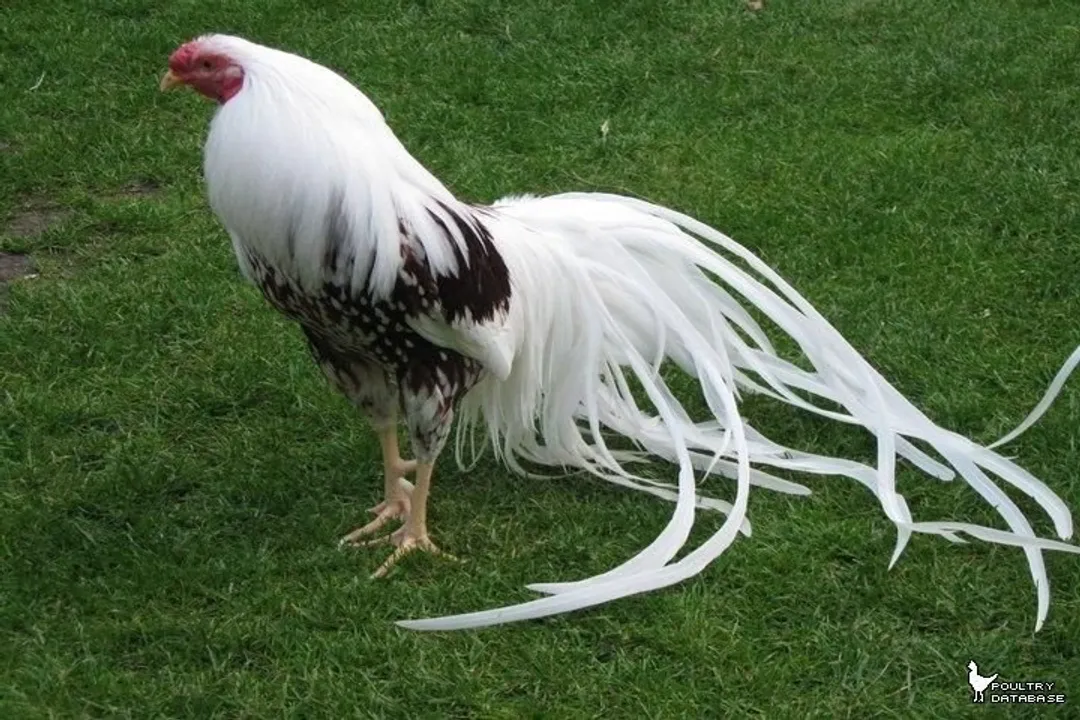
The first impression of a Yokohama chicken is often one of sheer elegance, a description frequently associated with this ornamental breed. These birds possess a graceful, flowing appearance that immediately sets them apart in the poultry world. Their physical makeup tells a story of careful development, tracing back to esteemed Japanese long-tailed fowl, though the modern Yokohama is largely a German creation developed from those imported birds. Understanding the distinctive physical characteristics of the Yokohama reveals why it remains a favorite for exhibition and as a visually striking addition to a flock.
# Defining Trait
The most arresting feature of the Yokohama, particularly the rooster, is undoubtedly its tail. Roosters are prized for their incredibly long saddle feathers and sickle feathers, which contribute to a tail that can appear to drag elegantly along the ground. When owners provide attentive care, healthy Yokohamas can grow tails reaching between three and four feet in length. Furthermore, in a well-maintained specimen, these impressive tail feathers can extend by an annual increment of two to three feet. This remarkable length is what distinguishes the breed, though it is important to note that the modern Yokohama represents a compromise; its ancestors, like the Onagadori, were known for tails reaching astounding lengths, sometimes up to 27 feet in Japan, requiring intense, specialized care and special perches to keep the feathers pristine. The Yokohama offers much of that visual drama with a more manageable requirement for maintenance.
# Stature and Weight
Physically, the Yokohama is generally described as having a sleek, pheasant-like form with an upright carriage. They are classified as a standard, large fowl breed, though their weights place them on the lighter side of that category. There is some variance in reported weights across different breed standards or keeping practices, which is not uncommon for heritage breeds developed across multiple countries. For example, some reports list a rooster weight closer to 5 to 7 pounds, with hens weighing 4 to 6 pounds. Other established references suggest a slightly lighter frame, stating males are around 4.5 to 5.25 pounds, while females are between 3 and 3.5 pounds. Another source provides a range of 4 to 5 pounds for roosters and 3.5 to 4.5 pounds for hens. When observing these weights, one must consider the bird's intended role; exhibition birds selected for maximum tail growth might be lighter framed than those bred for general backyard robustness, leading to these slight discrepancies in reported measurements. Regardless of the exact poundage, the overall impression is lightweight and delicate, with long feathers often making the bird appear larger than its actual body mass suggests.
# Color Varieties
Yokohama chickens are not known for a wide spectrum of colors; rather, their beauty is often highlighted by their simplicity and contrast in just two primary varieties: the White Yokohama and the Red Shouldered Yokohama.
The White Yokohama showcases brilliant, pure-white background feathering throughout its plumage, emphasizing the structure and length of the tail.
The Red Shouldered Yokohama offers a stunning visual accent. This variety features vibrant red feathering specifically on the shoulders, which creates a beautiful contrast against its otherwise sleek white body plumage. In some descriptions, this contrast is further detailed, noting a white-flecked red breast area. The pure white feathering across the breed benefits from the presence of dominant white genes, lending it a notable luster. The distinctive red shoulder pattern itself is explained by the concept of incomplete dominance between red and white genes.
# Head and Legs
The physical characteristics extend to the headgear and lower extremities, contributing to the bird's distinguished look.
# Head Features
Yokohamas generally feature a single comb. This comb is often described as walnut-shaped. The accompanying wattles can vary; some descriptions note they are short, ranging in color from deep red to pink, while others observe they are small or even missing. Their eyes are noted as being orange-red.
# Shanks and Feet
The legs, or shanks, of the Yokohama are typically yellow. A key distinguishing feature here is that their feet are described as bare (lacking feathering). This lack of feathering on the shanks is an important distinction when comparing them to some other ornamental breeds. Given the need for cleanliness associated with their long tails, having unfeathered legs is likely beneficial for upkeep, as mud and debris are less likely to cling compared to heavily feathered shanks.
# Structural Comparisons
To truly appreciate the Yokohama's structure, it helps to compare it to its relatives, which played a role in its development. The breed in type resembles the Sumatra chicken, yet the Yokohama is distinguished by having significantly longer saddle, sickle, and tail feathers. It also shares structural elements with the Phoenix chicken, another breed developed from the same Japanese imports. These similarities in body type, combined with the extreme length of the tail apparatus, give the bird its unique profile.
This connection to the long-tailed ancestors also informs modern care considerations. While the Yokohama is significantly hardier than its ancestors, their high-strung, alert nature and game-like appearance suggest they retain some of the nervous energy of their lineage. For instance, keepers noting that roosters need roosts of 4+ feet high indicates a need for vertical space that accommodates their height and carriage, even if they don't need the complex, elevated accommodations demanded by the ultra-long-tailed ancestors. Therefore, a foundational physical characteristic—the upright stance—dictates a practical environmental need: high perches.
# Feather Maintenance Insight
The immense tail growth, reaching three to four feet or more with good husbandry, presents a maintenance challenge that owners must integrate into their daily routines. It is not just about avoiding mud, which is a simple fix with elevated perches. The structural integrity of the tail hinges on the saddle feathers—the feathers growing from the rooster’s back that transition into the main tail plumage—and the primary sickle feathers that form the longest strands. If these feathers break near the base due to rubbing or stress, the entire cascading length is compromised, and regrowth requires a full year. This means that while a high perch addresses cleanliness, the physical setup of the coop must also feature wide openings and smooth surfaces to prevent the rooster from snagging these anchor feathers as he moves through tight spots.
# Color Genetics Note
The distinct, pure look of the White variety and the sharp contrast in the Red Shouldered birds stem from specific genetic drivers. The luster and purity of the white feathering are attributed to genes for dominant white. Conversely, the specific patterning seen in the Red Shouldered variety—the precise way the red and white feathers are distributed—is a direct result of incomplete dominance between the genes coding for red and white coloring. This genetic inheritance is what ensures the breed maintains its recognized, elegant color patterns rather than dissolving into an unpredictable mix of shades.
Considering all these features—the refined, game-like body, the short comb contrasting the long neck, the yellow legs, and the magnificent tail—the Yokohama is clearly bred and maintained for its aesthetic appeal. This focus means that for owners, the physical characteristics directly translate into care requirements, emphasizing protection from the elements, particularly wet cold, and providing space for their active nature, all while safeguarding that signature, flowing ornamentation.
Related Questions
#Citations
Yokohama Chicken - The Livestock Conservancy
The Ultimate Yokohama Chicken Guide: Breeding, Care, and Tips