What are the pros and cons of Leghorn chickens?
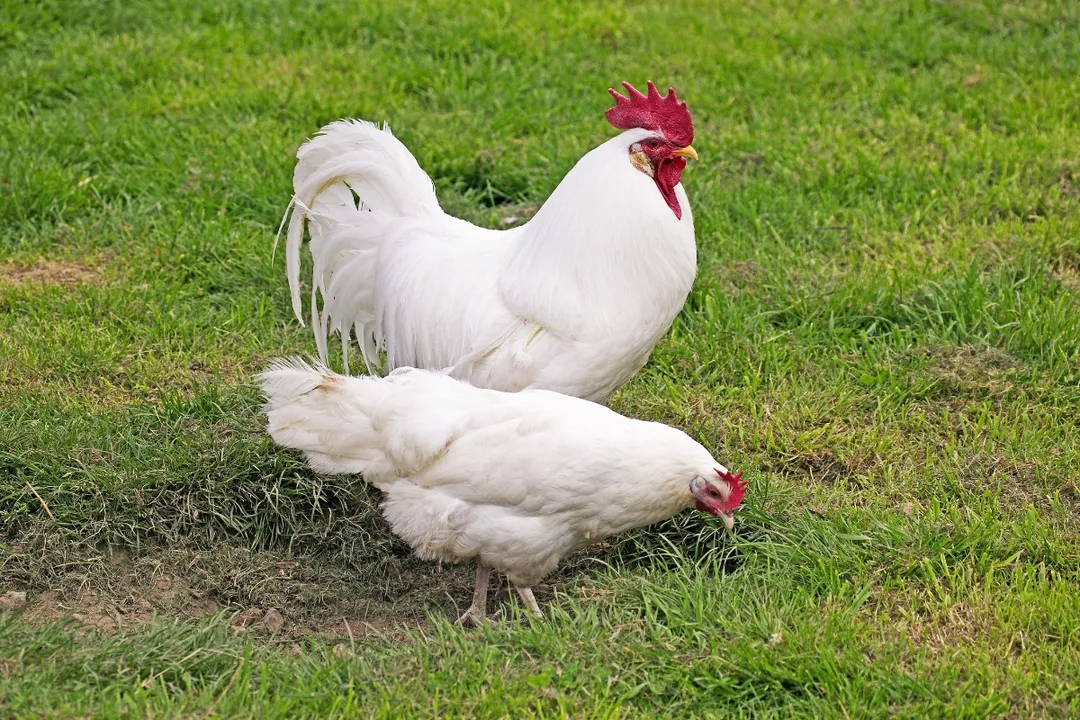
The Leghorn chicken breed has secured its place in poultry keeping history, largely due to its phenomenal reputation as an egg producer. When considering adding these birds to a flock, whether for a small backyard setup or simply to maximize white egg output, understanding the full spectrum of their characteristics—the good, the bad, and the slightly quirky—is essential for setting realistic expectations. [4][9] They are not a dual-purpose bird favored for meat, but rather a specialist breed where egg volume is the primary metric of success. [4]
# Egg Output
The most celebrated trait of the Leghorn is undeniably its egg-laying capacity. These birds are true production machines, often capable of laying upwards of 300 white eggs per year under ideal management. [4] Some reports suggest they can reach 320 eggs annually. [9] This high output means a steady supply of breakfast staples for the dedicated keeper. [1]
This productivity often begins quite early in their lives. While many breeds start laying around five or six months of age, Leghorns are known to begin producing eggs surprisingly soon, sometimes as early as 16 to 18 weeks old. [4]
However, the sheer volume needs to be weighed against the practicalities. A single hen might produce an egg every day or close to it during peak season, which can rapidly translate into more eggs than a typical small household consumes daily. [1] This leads many keepers to explore methods of preservation, like freezing or pickling, if they cannot share the surplus with neighbors. [4]
# Size and Weight
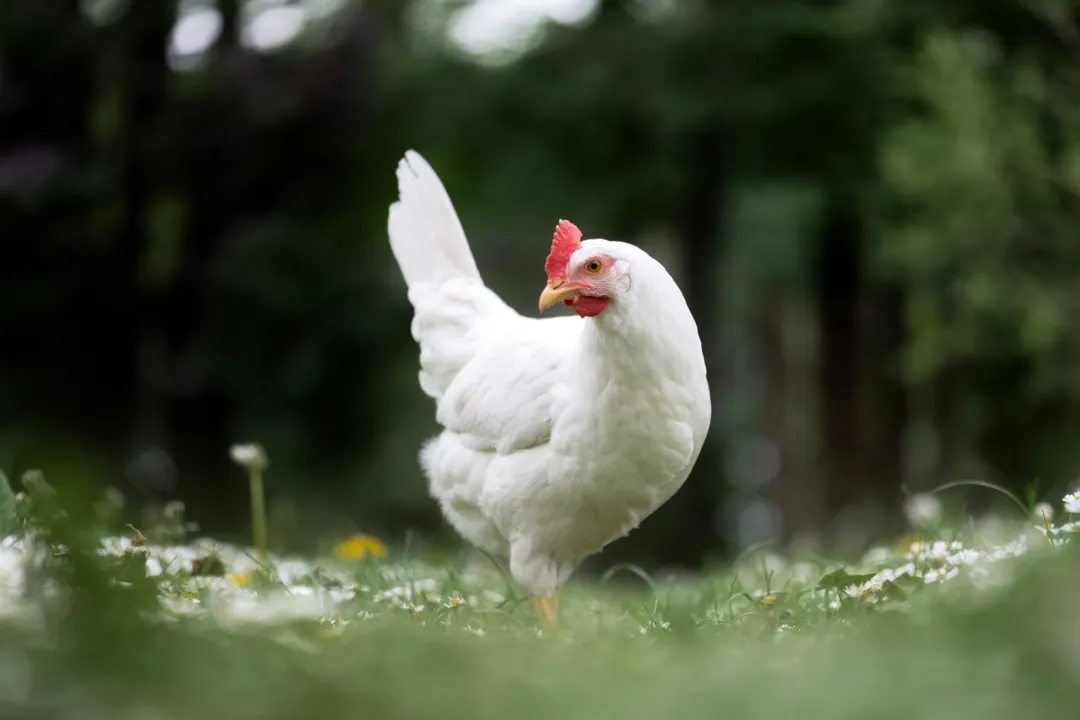
Leghorns are generally characterized as medium-sized or light-bodied fowl. [4] They are not heavy birds, which contributes to their excellent feed-to-egg conversion ratio—they require less feed input relative to the weight of the eggs they lay compared to many heavier breeds. [4]
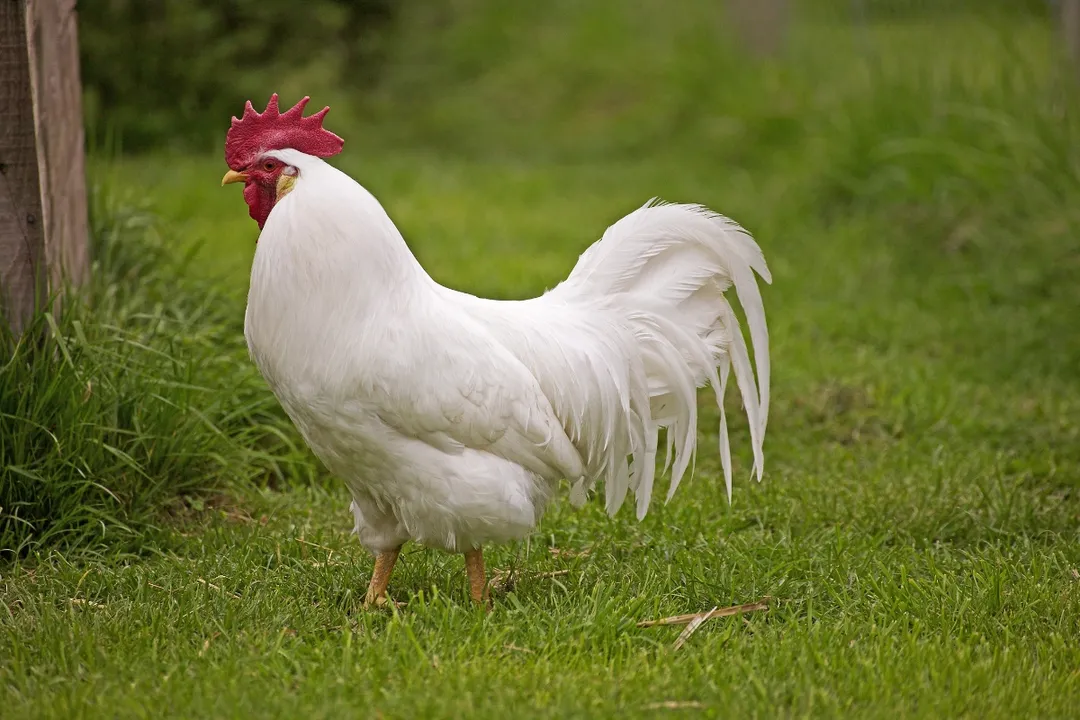
To give a clearer picture of their stature, particularly the popular White Leghorn variety, the hens typically weigh around 4.5 pounds, while the males (roosters) are slightly heavier at about 6 pounds. [9] This relatively small frame means they are not an efficient choice if the keeper is also looking for a substantial meat bird at the end of their productive life. [4] Their light build also plays a role in their agility and tendency to fly, a characteristic that keepers must account for in enclosure design. [5]

# Disposition
The personality of the Leghorn is perhaps the most polarizing aspect among keepers. They are often described as flighty, nervous, or somewhat timid. [4] This alertness, which aids in detecting predators, can translate into skittish behavior around humans. [4] They are generally not the breed one picks if the goal is a docile chicken that enjoys being carried around or cuddling on a lap. [4]
Some forum discussions indicate a consensus that they can be noisy, with a tendency toward being somewhat high-strung compared to calmer breeds. [5][2] If a keeper has a very busy household with lots of sudden movements or loud noises, a Leghorn might react with stress or retreat to a higher perch. [4]
Yet, their disposition is not uniformly negative. Experience matters significantly. Leghorns that are handled gently and consistently from the moment they hatch—perhaps being offered treats or special attention daily—can develop into surprisingly tame backyard pets. [4] The context of their upbringing profoundly shapes their adult behavior; one keeper's "nervous" bird might be another's "alert and curious" companion if they were raised differently. [4]
# Energy Use
One significant advantage for the budget-conscious or efficiency-focused keeper is how well Leghorns convert their feed into eggs. [4] Because they are lighter birds, they require less feed overall than a large, dual-purpose breed simply to maintain their body weight. When you factor in their high rate of lay, the cost per dozen eggs produced is often quite favorable. [4]
For instance, when comparing a 7-pound Orpington laying 200 eggs a year to a 5-pound Leghorn laying 300 eggs a year, even if their feed consumption rates per pound of body weight are similar, the Leghorn will usually win on efficiency when measured by egg mass output versus total annual feed intake. [4] Keeping this in mind, if your primary goal is minimizing feed costs per dozen white eggs, the Leghorn requires a slightly more detailed calculation based on your local feed prices versus the expected egg production in your specific climate. [1]

# Environmental Needs
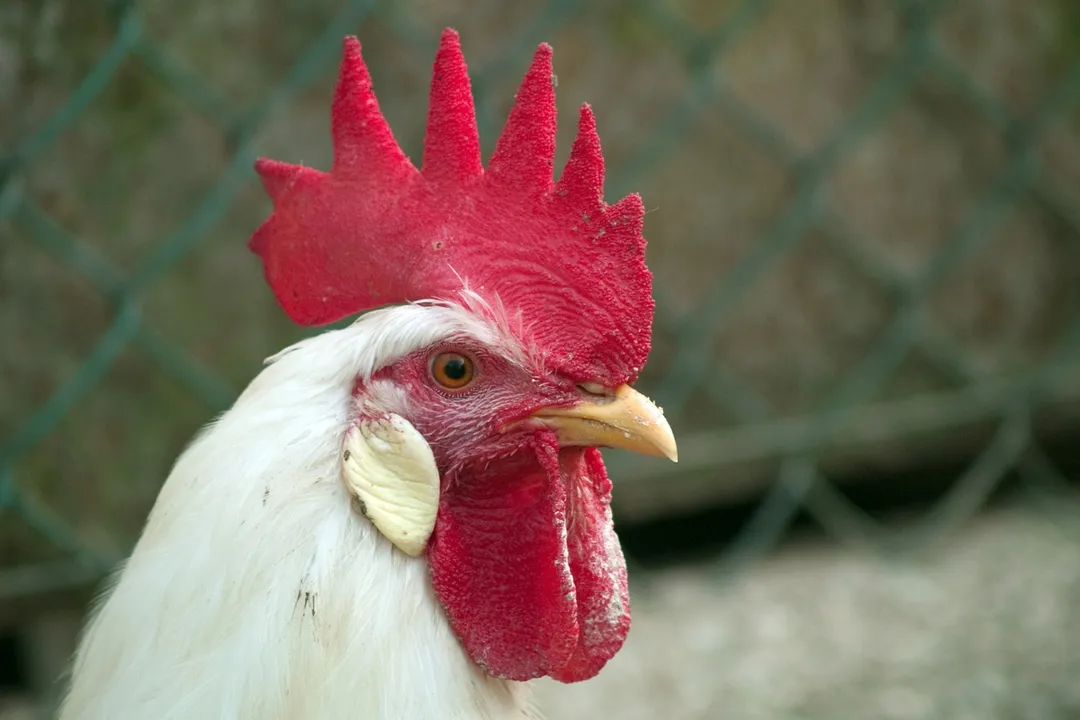
Leghorns are generally regarded as hardy birds, capable of thriving in various conditions, though they do possess some specific needs relating to temperature extremes. [4][9] Their large comb and wattles are a defining visual feature but also represent a point of vulnerability. In very cold, harsh winter climates, these appendages are susceptible to frostbite if not properly managed or if the birds are exposed to wet, freezing conditions without adequate shelter. [4][9]
Conversely, their light build and relatively high metabolism often mean they handle heat quite well, making them a popular choice in warmer regions. [4]
The tendency to fly or be inclined to roam is another environmental consideration. If you live near busy roads or have neighboring properties where wandering birds might cause issues, their ability to easily clear standard 4- to 5-foot fencing needs to be addressed. [5] It is often necessary to use higher fencing or top netting, especially if they are prone to getting spooked and flying out of an enclosed run. [4]
# Varieties and Appearance
While the White Leghorn is the archetype seen in large-scale production, the breed actually encompasses a wide array of color patterns. [4] You can find them in Black, Brown, Buff, Cuckoo, and Red varieties, among others. [4] The standard appearance usually includes a prominent, bright red single comb, though different varieties might carry variations in comb type depending on specific breed standards or crossing. [9] Their earlobes are typically white, which is a classic characteristic of white egg layers. [9]

# Practical Management Challenges
Beyond the general pros and cons, there are a few specific husbandry issues keepers frequently report. One concern sometimes raised, particularly when keeping them in closer confinement or large, dense flocks, is a potential inclination toward cannibalism or feather picking. [2] This behavior often arises from stress, overcrowding, or boredom, meaning that providing ample space and enrichment—such as dust bathing areas or access to forage—is important for maintaining flock harmony. [2]
Another operational note relates to the sheer volume of eggs. For a backyard keeper expecting just a few eggs a day, the Leghorn's output can be overwhelming. If you decide to keep just two or three White Leghorns, be prepared to become an egg vendor or preservation expert almost immediately. [1]
When thinking about integrating them into a mixed-age or mixed-breed flock, their flightiness can sometimes mean they become the target of more dominant, heavier breeds, or they might simply opt out of confrontation by staying on the highest perch away from the feeder when more assertive birds are present. [4] Ensuring multiple, accessible feeding stations can mitigate squabbles over resources.
# Synthesis of Keeper Experience
The true value of the Leghorn often becomes clear when a keeper’s goals align perfectly with the bird’s strengths. Imagine a scenario where a keeper lives in a region with hot summers and wants a continuous supply of large white eggs for baking or selling at a local market. In this context, the Leghorn is nearly unbeatable—they tolerate heat well, start laying early, and their feed efficiency keeps costs down. [4][9]
Conversely, consider a keeper in a sub-zero winter climate whose primary goal is eggs and a calm, manageable bird that tolerates small, enclosed runs, or one who wants to use the spent hens for Sunday dinner. Here, the Leghorn presents hurdles. The frostbite risk needs mitigation, and the high energy/flightiness can make them less desirable for small children or close confinement. [4] A keeper prioritizing meat or winter egg production might be better served by a Wyandotte or an Orpington, accepting fewer total eggs for better hardiness and temperament in those specific conditions. [4]
Ultimately, the decision rests on prioritizing that volume of white eggs above all other traits, including docile temperament and meat quality. [4] They are specialists whose performance in their specialty remains industry-leading, even as backyard keepers seek more balanced, dual-purpose birds for their smaller flocks. [9] Their presence in the backyard setting offers a direct, high-production link to the history of commercial poultry breeding. [4]
#Videos
Pros and Cons of Raising LEGHORNS for EGGS on your Homestead
Leghorns: NOT the Chicken Breed for Beginners! 5 Reasons They're ...
Related Questions
#Citations
Pros and Cons of Raising Leghorns For Eggs - Kummer Homestead
White Leghorns, pros & cons?? - Learn How to Raise Chickens
Pros and Cons of Raising LEGHORNS for EGGS on your Homestead
Leghorn Chickens: A Beginner's Guide - Kalmbach Feeds
What are the pros and cons of Leghorns? - Facebook
The Leghorn Chicken Deep Dive | Grubbly Farms
White Leghorn Chicken Breed Guide - Practical Self Reliance