Yokohama Chicken Locations
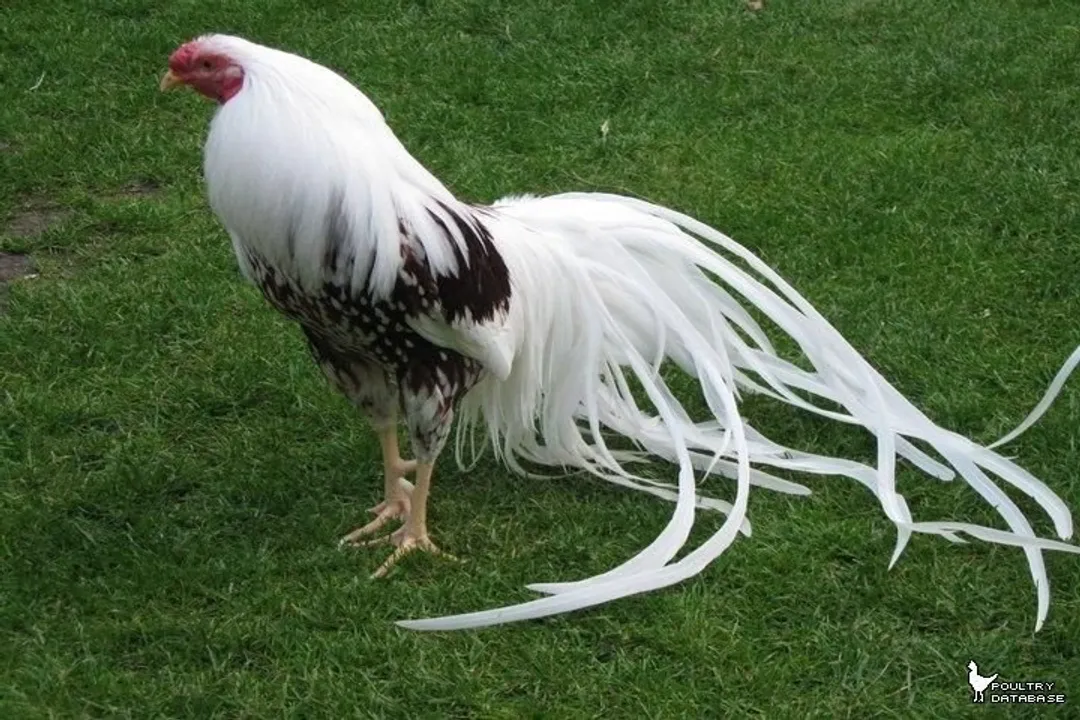
The quest for the striking Yokohama chicken breed often leads prospective keepers down the path of finding reliable sources for day-old chicks or hatching eggs, as this unique bird is not typically found in every local feed store. The interest in the Yokohama centers around its elegant appearance, especially the long, flowing tail feathers on the males, though sourcing them requires knowing which hatcheries and suppliers actively offer them, particularly in specific color varieties. [2][8] When searching for these birds, you will commonly encounter listings for two main colors: the Red Shoulder Yokohama and the White Yokohama. [1][5][7]
# Color Varieties
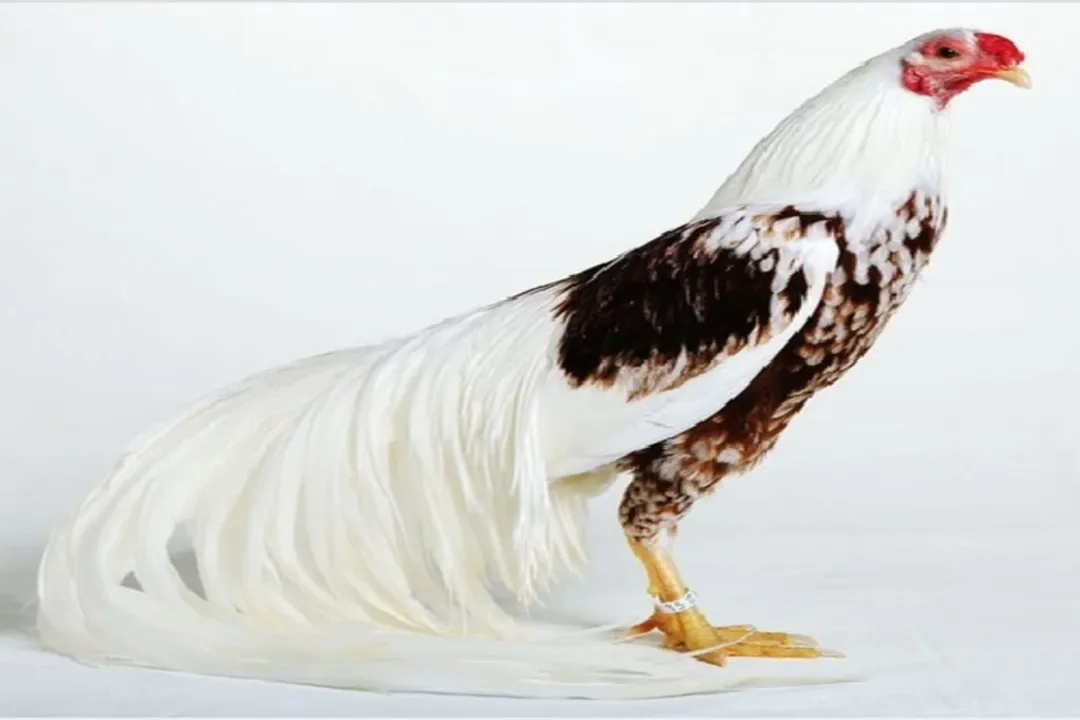
Distinguishing between the color options is often the first step in locating stock, as different suppliers may specialize or feature one over the other at certain times of the year.
# Red Shoulder Focus
The Red Shoulder variety is perhaps the most frequently advertised colorway among the sources consulted for obtaining stock. These birds display rich, multi-hued plumage, often showcasing deep reds, browns, and blacks. [1][4] Hatcheries like Cackle Hatchery list the Red Shoulder Yokohama, offering them as straight-run chicks, meaning the sex is not guaranteed, or sometimes as sexed pullets or cockerels, depending on the season and availability. [1] McMurray Hatchery also lists the Red Shoulder variety, providing another established source for keepers seeking this specific coloration. [4] Chicken Coop Company similarly offers the Red Shoulder Yokohama, signaling its common availability through various commercial channels. [5]
# White Availability
While perhaps less dominant in the immediate search results than the Red Shoulder, the White Yokohama is certainly available for those specifically seeking a uniformly colored bird. Valley Hatchery lists White Yokohama chicks, [7] and Cackle Hatchery also offers the White Yokohama chicks, indicating that both major color patterns are supported by established breeders and distributors. [9] The choice between White and Red Shoulder often comes down to aesthetics, but it can also influence immediate availability or price depending on the hatchery's current production schedule.
# Commercial Sourcing Channels
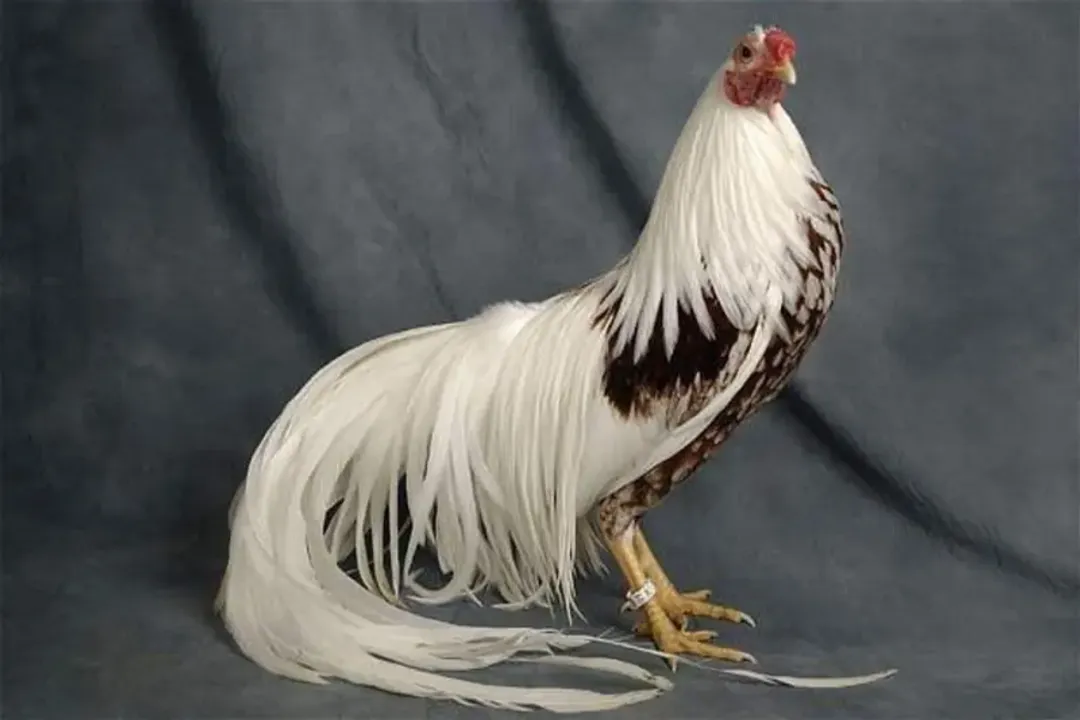
The primary locations for acquiring Yokohama chickens are commercial hatcheries, which specialize in shipping day-old poultry across the country. These establishments serve as the major distribution points for breeds that might not be staples at every local farm supply outlet. [1][4][5][7][9]
# Established Hatcheries
Several key players consistently appear when searching for Yokohama stock. Cackle Hatchery, for instance, is noted for offering both the Red Shoulder and the White varieties, providing options for buyers regardless of their color preference. [1][9] McMurray Hatchery is another significant source, specifically featuring the Red Shoulder males known for their impressive tail growth. [4] When a keeper chooses a large, established hatchery, they are usually selecting for consistency in breed standards and the ability to order chicks for seasonal delivery windows. [4][9]
Valley Hatchery represents another location where White Yokohama chicks can be sourced. [7] The availability at these locations often dictates the earliest you can start your flock, as they operate on chick shipping schedules that can be booked months in advance for popular breeds or busy seasons. [1]
# Retail Partnerships
Beyond the dedicated mail-order hatcheries, some larger agricultural retailers partner to bring specialty breeds to a broader audience. Tractor Supply Company acknowledges the Yokohama breed in its poultry guides, suggesting that while they may not hatch the birds themselves, they often facilitate the sale of chicks from various hatcheries during their seasonal poultry events. [6] This offers a more localized, albeit potentially less flexible, purchasing opportunity compared to direct hatchery shipping.
An interesting observation when reviewing these commercial sources is the implied specialization. A buyer might consider contacting a smaller, specialized source like Chicken Coop Company, which also lists the Red Shoulder variety, [5] versus a very large operation. While both sell chicks, the experience of ordering from a highly focused breeder might differ from a massive hatchery in terms of customer support for rare breed questions, though both serve the essential function of distribution. [1][5] Thinking about the support required—for example, understanding how to protect the long tail feathers of a young male—can influence which supplier feels like the better fit for a novice owner seeking these specific birds.
# Breed Status and Community Support
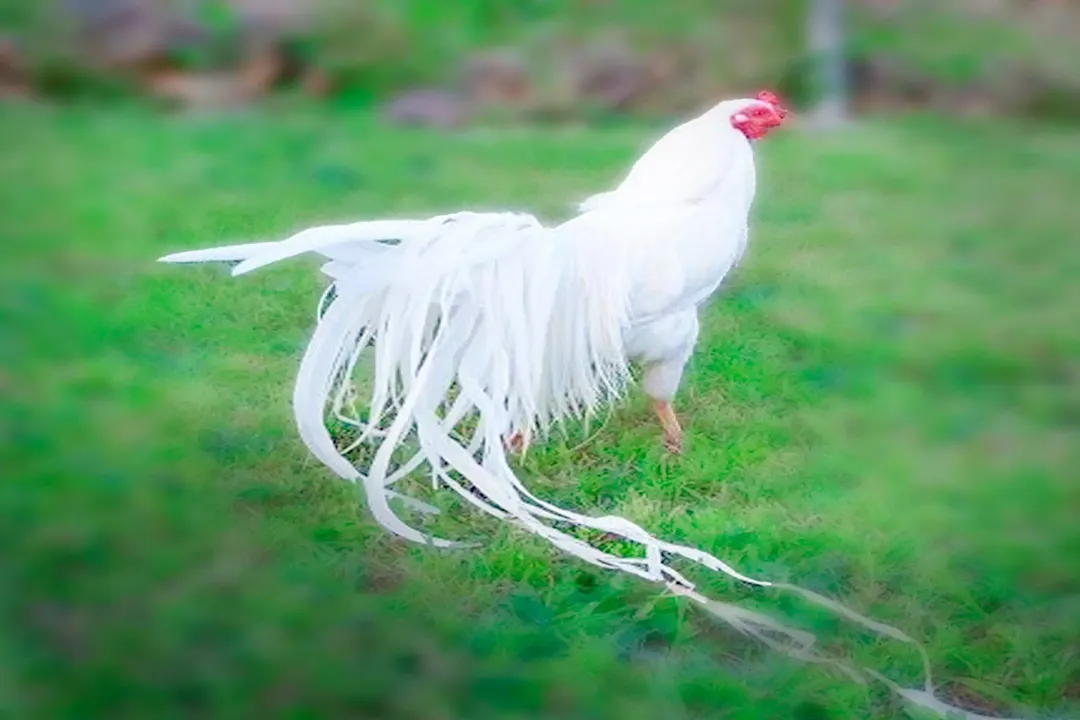
Understanding the conservation status and engaging with the community can provide context beyond simple purchasing logistics, often leading to better long-term success with the breed.
# Conservancy Listings
The Livestock Conservancy maintains a list of heritage poultry breeds that are considered threatened or need active promotion to sustain their populations. [2] The Yokohama breed is included in their listings, underscoring its status as a heritage bird that requires dedicated breeding efforts to maintain its genetic line. [2] While the Conservancy itself does not typically sell birds, their designation highlights the importance of purchasing from reputable sources that prioritize breed purity, which can be a crucial factor for serious breeders. [2] This focus on heritage status often aligns with the smaller, specialized hatcheries that concentrate on preserving specific traits. [2]
# Community Networks
Online communities, such as dedicated Facebook groups for poultry enthusiasts, also serve as informal location networks. [3] While these groups are not official vendors, they act as vital hubs for connecting keepers looking to sell hatching eggs, surplus birds, or share local sourcing tips that might not appear in national directory listings. [3] For example, a keeper in a specific region might post about success securing chicks from a local farm that partners with one of the larger hatcheries mentioned previously. [3] These interactions offer a layer of localized experience that national distributor lists cannot provide.
# Making the Purchase Decision
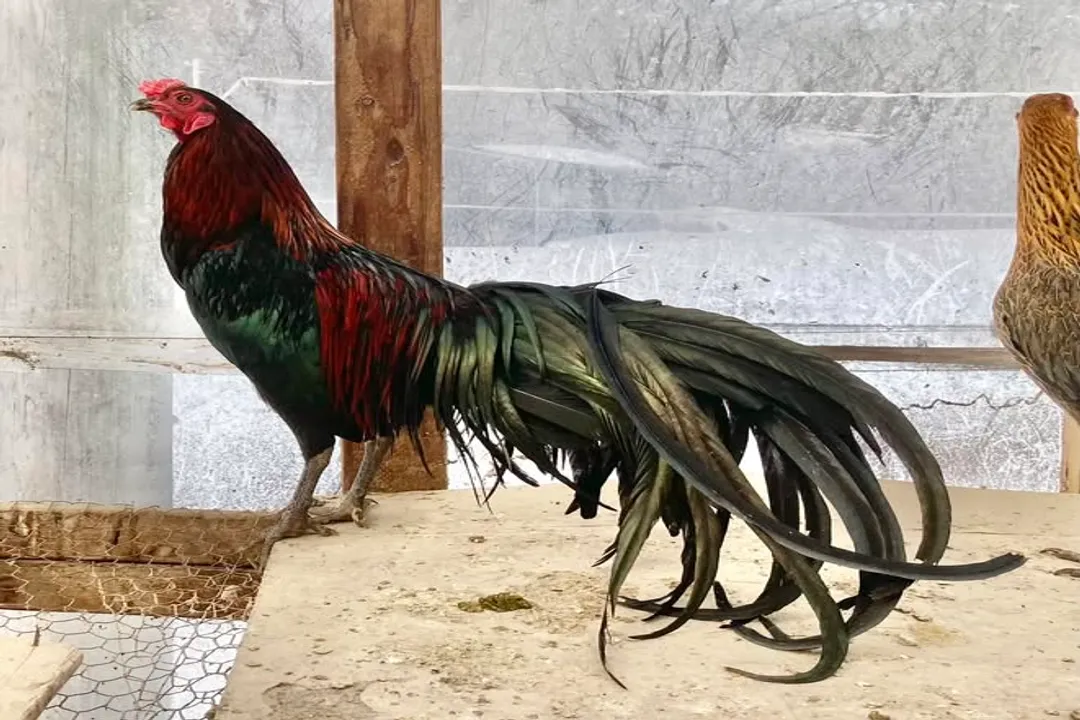
When seeking Yokohama chickens, the location isn't just a geographic point; it's a point in the supply chain that determines what you receive. Successful acquisition involves navigating the differences between buying chicks and eggs, and understanding the implications of sexing.
# Chicks Versus Hatching Eggs
Most commercial operations focus on selling day-old chicks, which are generally easier to ship and handle for the customer. [1][4][7] However, buying hatching eggs is an alternative location-based strategy, especially if a specific hatchery is close enough for local pickup or if the desired sex ratio is paramount. If you choose hatching eggs, your "location" becomes less about the hatchery and more about proximity for safe transport or the shipper’s packaging quality. [3] Success rates with hatching eggs can be more variable than with day-old chicks, which is a risk factor to weigh against the potential to hatch a specific number of cockerels or pullets. [8]
# Sexing Considerations
One key aspect frequently noted by suppliers is sexing. When purchasing chicks, buyers often have the option to buy straight-run (unsexed) or sexed (pullet or cockerel). [1] Since the defining feature of the Yokohama is the male's extravagant tail, those aiming to raise roosters for exhibition or breeding must decide if they are willing to risk the straight-run batch or pay the premium for guaranteed cockerels, if offered. [4][8] A practical tip when dealing with specialty, slower-growing breeds like the Yokohama is to factor in that sexing accuracy, even by professionals, is never perfect, so ordering a few extra straight-run chicks often ensures you get the desired number of males by the time they mature.
Considering the varied information across these suppliers, a useful checklist emerges for the prospective Yokohama owner focused on acquisition logistics:
| Step | Consideration | Relevant Factor |
|---|---|---|
| 1 | Color Preference | Confirm Red Shoulder [1][5] or White [7][9] availability. |
| 2 | Supply Type | Decide on day-old chicks (faster start) or hatching eggs (lower initial cost, higher risk). [8] |
| 3 | Sexing Choice | Determine if guaranteed cockerels are necessary, balancing cost against the probability of raising a long-tailed male. [1][4] |
| 4 | Supplier Trust | Research the supplier's reputation, especially concerning heritage breed health and breed purity. [2] |
The ultimate location for your Yokohama flock, therefore, is a combination of the physical hatchery or farm and the moment in the shipping calendar when that specific bird variety becomes available for dispatch. Accessing these beautiful, long-tailed birds requires tracking the schedules of dedicated suppliers who keep this heritage breed in production. [2][6]
Related Questions
#Citations
Red Shoulder Yokohama Chickens
Yokohama Chicken
Where to find Yokohama chicken breed?
Murray McMurray Hatchery - Red Shouldered Yokohama
Red Shoulder Yokohama Chicken
The Ultimate Yokohama Chicken Guide: Breeding, Care ...
White Yokohama Chicks For Sale
Yokohama Chickens