Yokohama Chicken Facts
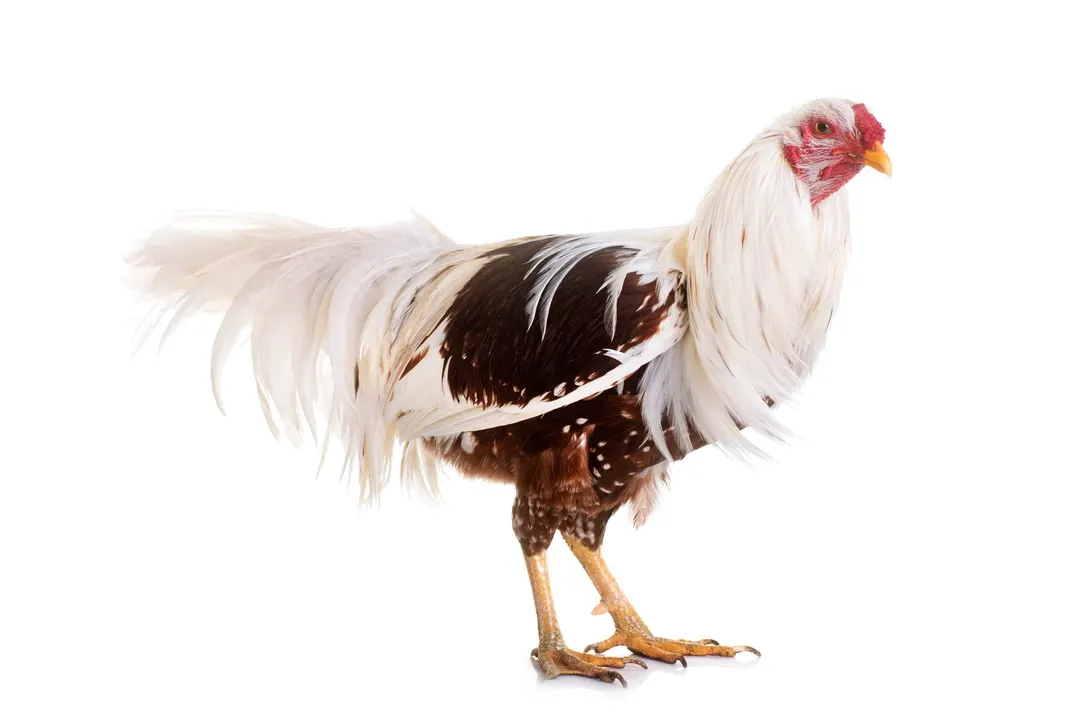
The Yokohama chicken is one of the world's most visually striking avian breeds, instantly recognizable by the males' incredibly long, flowing tail feathers that can, in ideal conditions, trail several feet behind them. While they are commonly found in backyard flocks today, their history ties them directly to ancient Japanese ornamental fowl, specifically serving as a decorative, rather than purely utilitarian, bird. The breed is often grouped with the Phoenix chicken due to their shared ancestry and shared feature of extended tail plumage, though recognized standards do distinguish between the two.
# Japanese Roots
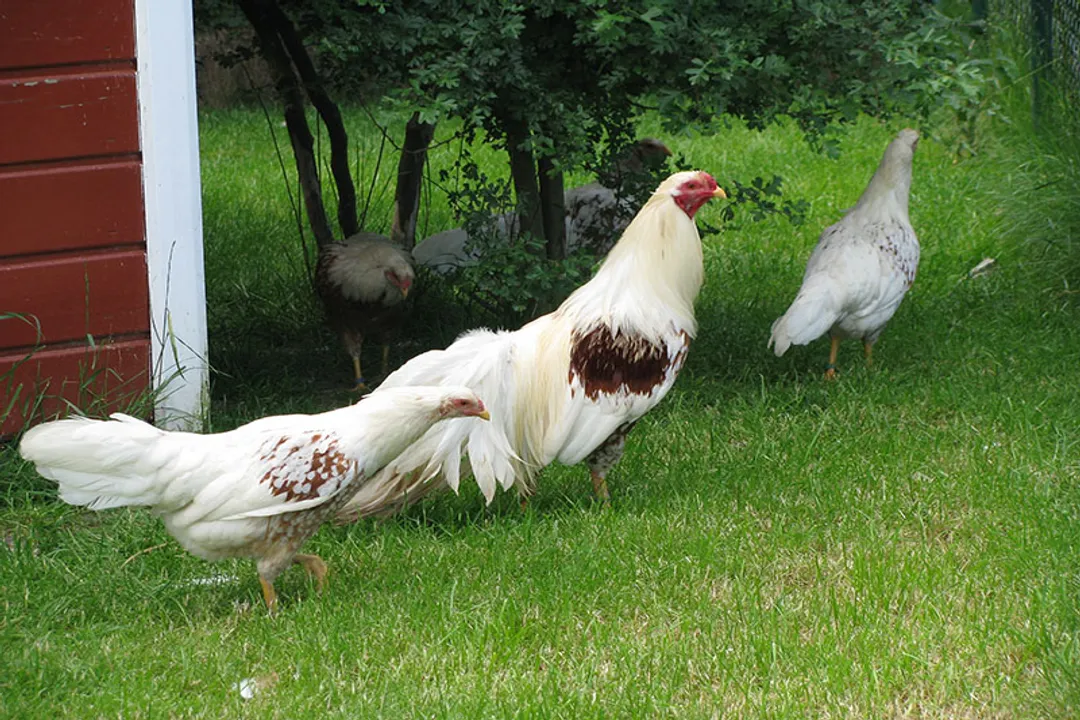
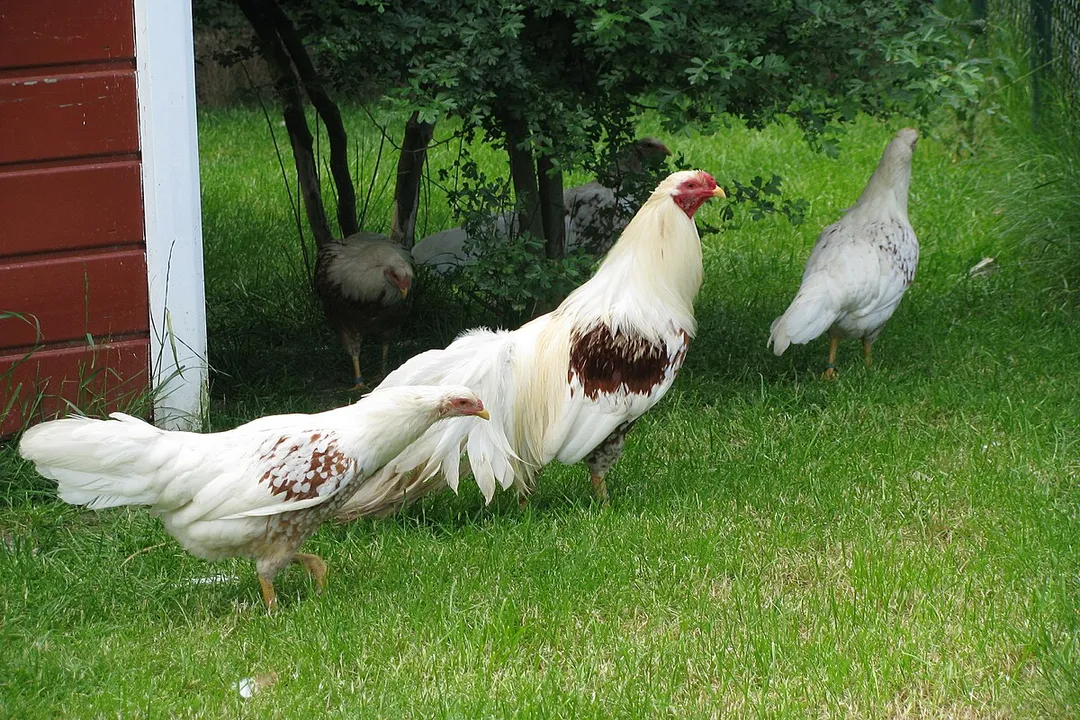
The Yokohama chicken is an ancient breed originating in Japan. The foundational stock for this breed, and the related Phoenix, came from the island of Kyushu, where they were developed from the native Onagadori chicken. The Onagadori is famous for its genetics that prevent the main tail feathers from molting annually, allowing for extreme length growth. When these birds were introduced to the West, particularly Germany, they were bred to create the distinct Yokohama variety. They were established in the United States through imports around the turn of the 20th century, though they remained relatively rare.
The primary motivation behind their development was aesthetic value; they were bred to be kept for their ornamental features rather than for meat or high egg production. Because of this focus on appearance, they are generally considered a true exhibition breed.
# Striking Look
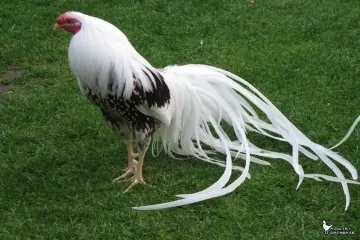
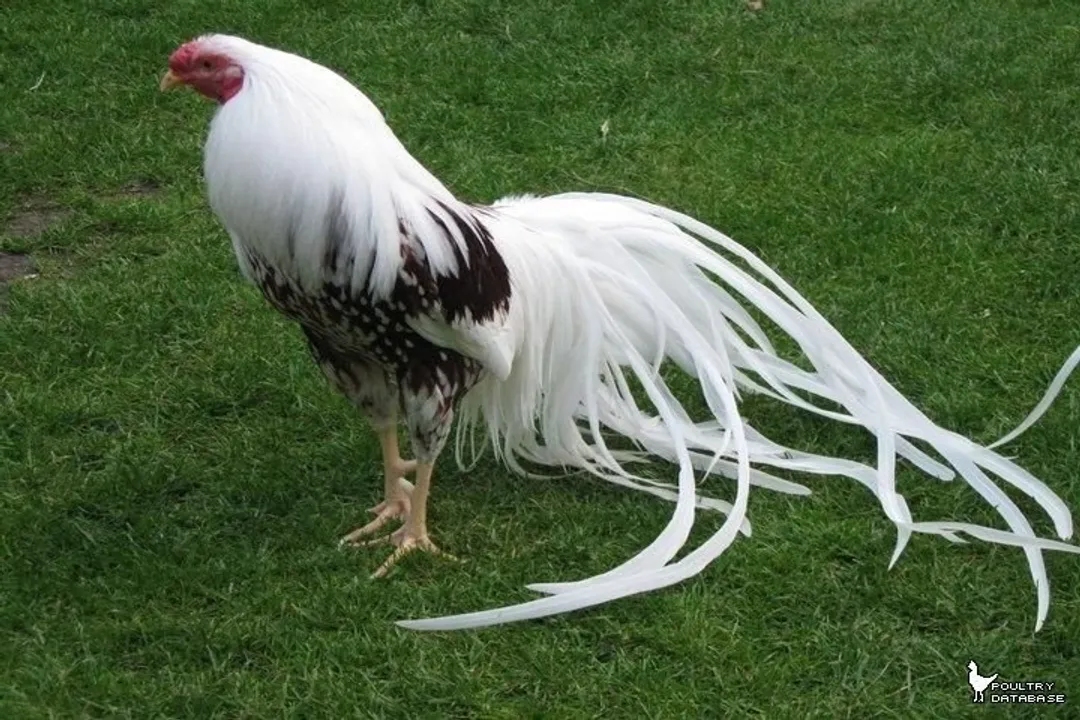
The most defining characteristic of the Yokohama is the tail of the rooster. These male birds possess saddle and tail feathers that are designed to grow continuously, a trait inherited from their Onagadori ancestors. While some sources note that true long-tailed specimens can grow tail feathers reaching upwards of 10 feet in length, these are highly specialized birds. The American Poultry Association recognizes two varieties of the Yokohama: the long-tailed and the short-tailed. The short-tailed birds are far more common in modern breeding flocks and resemble other established breeds in tail structure.
Beyond the tail, both sexes share several other key physical traits. They are medium-sized birds with clean legs, meaning they have no feathering on their shanks. Their bodies are described as being medium-length, slightly longer than they are deep, and they carry themselves with an upright, alert posture. They have a small, neat head featuring a walnut comb, small earlobes, and a moderate beard and muffs that contribute to their unique facial appearance. The ideal weight for a mature male is approximately 6.5 pounds, with hens weighing in around 4.5 pounds.
Yokohama chickens come in several color patterns, with the Red Shoulder being a prominent variety. Other recognized colors typically include Black Breasted Red, Black, White, and Partridge. The Red Shoulder variety features rich, dark mahogany-red feathers contrasting with black in the tail and lower body, and white or cream feathers on the shoulders of the male.
# Bird Personality
Temperament is often cited as one of the reasons Yokohama chickens are a good fit for smaller homesteads or backyard enthusiasts. They are generally known for being quite docile and friendly birds. They are not overly flighty, which makes handling them relatively easy. They tend to be calm and adapt well to human interaction, making them less likely to cause issues in a mixed-flock environment compared to some more aggressive or flighty breeds.
However, their ornamental focus means their behavior isn't centered on production. They are described as fairly active foragers but perhaps less prone to being the most dominant birds in the run. Roosters are not usually overly aggressive toward humans, although any male bird can exhibit protective behaviors if provoked or if guarding his hens closely. Like many exhibition birds, they may be slightly more sensitive to harsh weather than hardier, purely utility breeds.
# Rearing Needs
When considering keeping Yokohamas, potential owners must weigh their ornamental value against their practical utility. Egg production is modest at best; hens typically lay about 100 to 140 eggs per year, a number significantly lower than modern layer breeds. The eggs are usually tinted white to cream in color. They are not highly prized for meat production either, classified more as an ornamental or bantam-like breed, though standards for larger varieties do exist. They are considered fair winter layers, but their overall production keeps them out of the top-tier egg-laying category.
For the short-tailed varieties, general backyard care suffices. They handle cold weather reasonably well, though they do benefit from dry, draft-free shelter, as is true for nearly all poultry. Their clean legs contribute to easier maintenance in muddy conditions compared to feathered-leg breeds.
The care required for the long-tailed males, however, introduces significant management considerations that standard backyard keepers might overlook. These birds require specialized housing to protect their magnificent tails from becoming soiled, broken, or trapped. A common practice involves providing a dedicated, extra-long roosting area or even carefully wrapping the tail feathers to keep them off the ground and clean. This necessity means that standard, compact coops or runs are entirely unsuitable for keeping the prize-winning long-tailed strains healthy and presentable.
This specialization in appearance dictates a higher overhead in management; prospective keepers should budget for potentially specialized bedding or more frequent coop cleanings simply to safeguard the primary asset of the bird—its tail—which elevates their general husbandry requirements above those of standard farmyard fowl.
# Rarity Status
The Yokohama chicken is not a common sight in the average American poultry yard, often leading to them being classified as a heritage or rare breed. The Livestock Conservancy lists the Yokohama as a "Watch" breed, indicating that their numbers are low enough to warrant monitoring but are not critically endangered. This "Watch" status suggests that maintaining the genetic purity, especially of the long-tailed lines, requires dedicated breeders. When acquiring stock, it is crucial for buyers to ascertain whether they are purchasing the common short-tailed bird or the specialized long-tailed variant, as their care and potential for exhibition vary widely. Their continued existence relies on dedicated enthusiasts who appreciate their historical background and unique beauty, even if their practical contributions to the farm are minimal compared to heavy production breeds.
#Videos
Yokohama Chicken - YouTube
Related Questions
#Citations
Yokohama Chicken - The Livestock Conservancy
Yokohama chicken - Wikipedia
The Ultimate Yokohama Chicken Guide: Breeding, Care, and Tips
Yokohama Chicken Bird Facts - A-Z Animals
Yokohama Chickens - Poultry Keeper
Yokohama Chickens | Oklahoma State University - Breeds of Livestock
Red Shoulder Yokohama Chicken
Yokohama - My Pet Chicken
Yokohama Chicken - YouTube
Yokohama Chickens | Mranimal Farm