Yokohama Chicken Diet
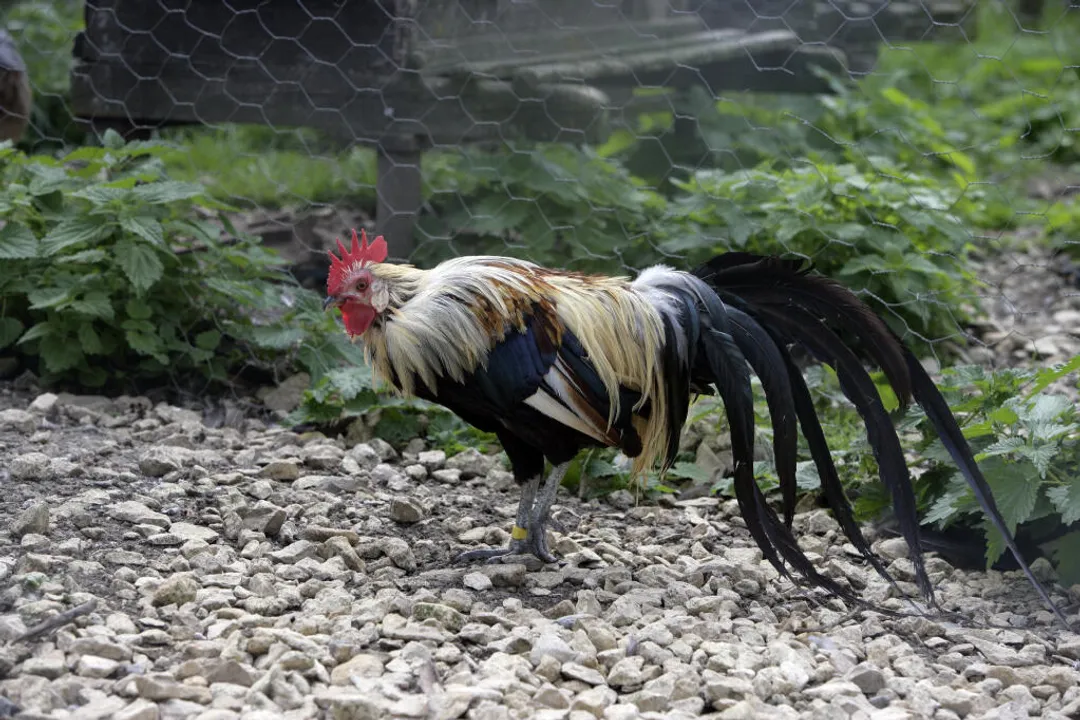
Yokohama chickens present a unique challenge and delight for poultry keepers, largely due to their exotic appearance and, particularly in roosters, their incredibly long tail plumage. [1][3][5] While specific, proprietary diet plans tailored only to the Yokohama breed are uncommon in general literature, understanding their nutritional requirements hinges on recognizing their general needs as active, decorative fowl, with special considerations for their signature long tails. [1][5] These birds are generally recognized as good foragers, meaning they will naturally seek out greens, seeds, and insects when given space to roam. [1][5][6]
# Breed Characteristics
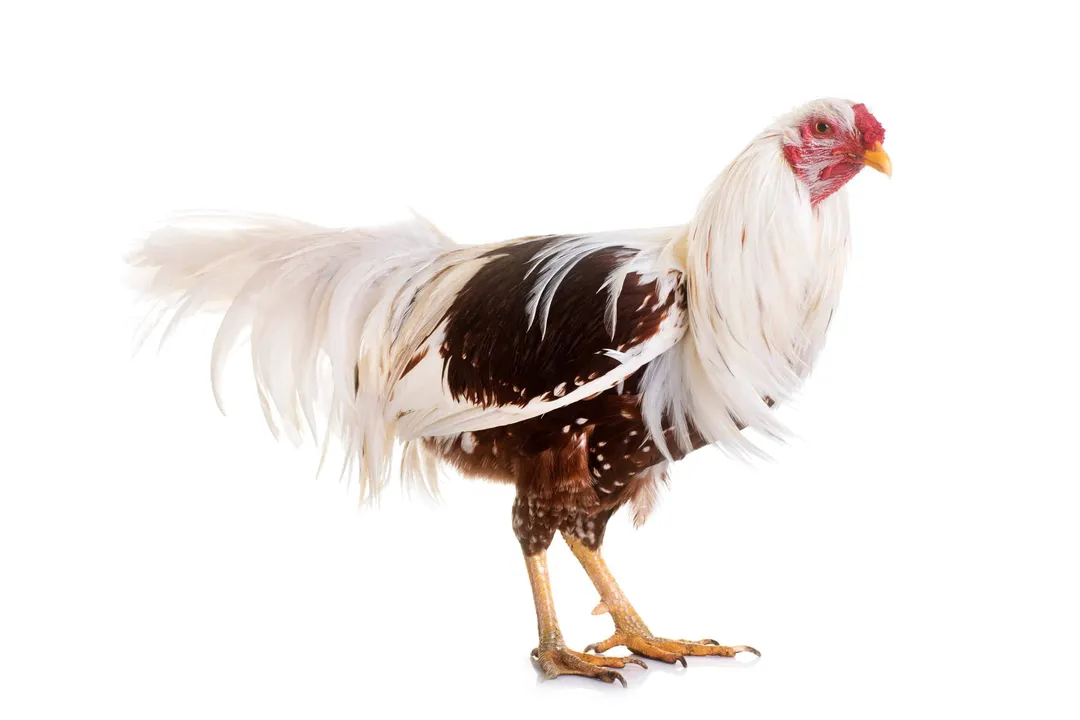
The Yokohama chicken is often grouped with the Phoenix breed, sharing the trait of having exceptionally long tail feathers, though they are distinct breeds. [1][3] The breed is believed to have originated in Germany from Japanese birds imported from the port of Yokohama, which is where they derive their name. [1][3][5] They are known for being alert, active, and somewhat flighty birds. [1][5][6] While hens are generally quiet and make decent mothers, the roosters are the spectacle, sometimes developing tail feathers that can reach several feet in length. [1][6] They are typically hardy, though they thrive best in temperate climates, requiring protection from harsh weather elements. [1][6]
# General Care
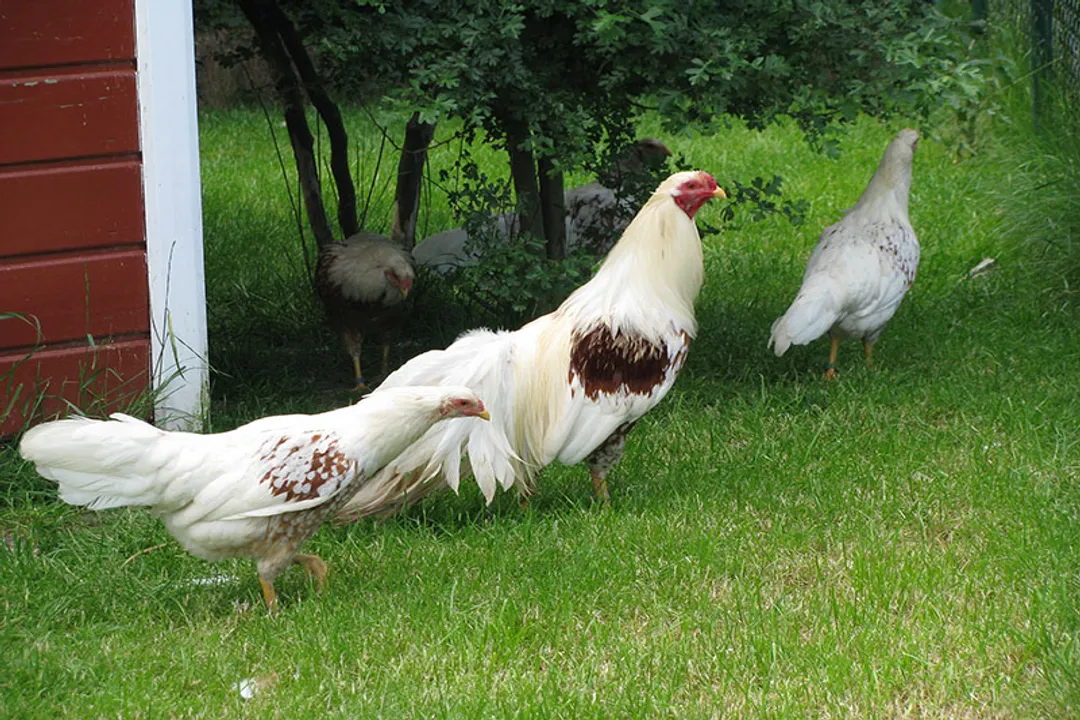
Like any chicken, the Yokohama requires a foundation of clean, fresh water, appropriate shelter, and a balanced diet to maintain health and support their elaborate feathering. [4] They are generally considered active, so allowing them access to a secure outdoor run or pasture is beneficial for their well-being and natural foraging habits. [1][5]
Roosters with long tails demand extra attention to their environment to prevent breakage or soiling of their magnificent plumage. [4] While not explicitly a diet item, the physical environment heavily influences how food and water are managed. Owners of these long-tailed males often take measures to keep the ground beneath them dry and clear of mud, which directly impacts cleanliness around their feeding and drinking stations. [4]
# Feeding Guidelines
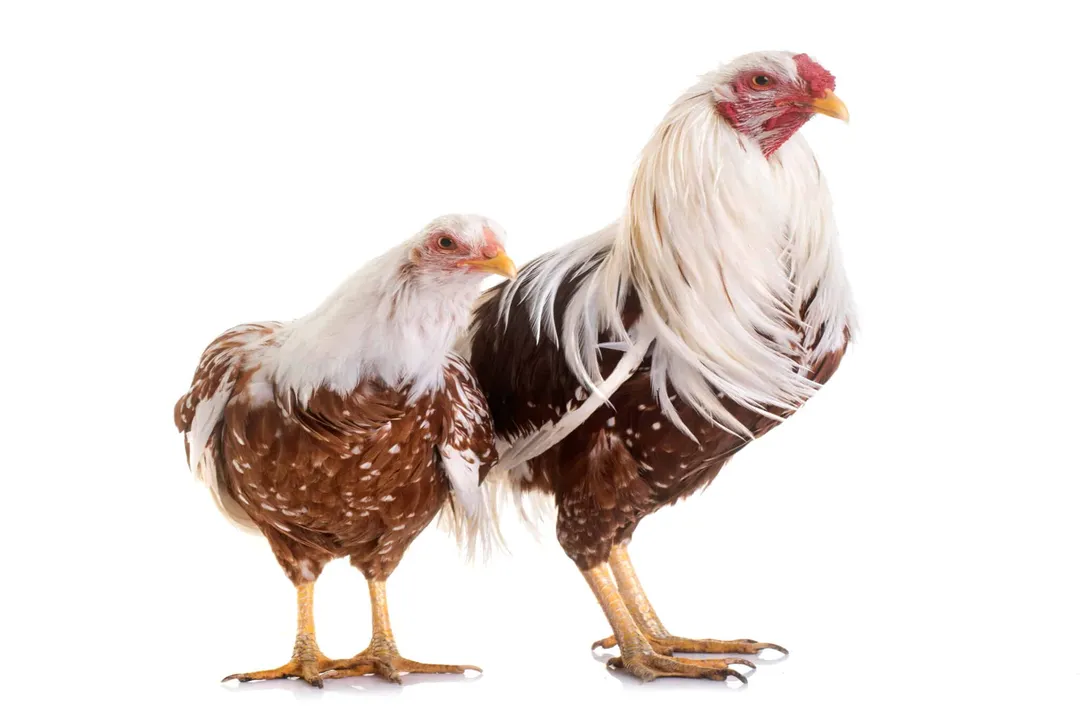
The fundamental diet for laying hens and growing chicks aligns with standard poultry nutrition protocols: a balanced commercial feed appropriate for their life stage—starter, grower, or layer rations. [4][6] Layer hens require feed that provides sufficient calcium for strong eggshells. [4]
However, the needs of the long-tail rooster introduce a layer of complexity that goes beyond standard commercial feed maintenance. Roosters with continuously growing, heavy tail feathers are expending significant metabolic resources to produce those keratin structures. [4] This high-cost feather production means their need for high-quality protein sources may be slightly elevated compared to a standard, short-tailed rooster of the same weight, even after they have passed their juvenile growth stage. [4] Ensuring a consistent feed with adequate protein, generally in the 16% to 20% range during active feather development, can support this heavy keratin load, though care must be taken not to drastically overdo protein, which can cause other health issues or excess moisture in the manure. [4]
Yokohamas, being good foragers, will happily supplement their commercial ration with greens, seeds, and bugs they find. [1][5] This natural inclination should be encouraged, as it provides necessary vitamins and variety. When feeding supplements or scratch grains, moderation is key; these should never exceed about 10% of the total daily intake, especially for laying hens, to ensure they still consume the necessary balanced nutrients from their primary feed. [4]
One aspect owners of ornamental breeds like the Yokohama must be acutely aware of is the feeding area itself. Because of the long, flowing tail, especially on the roosters, keeping the floor bedding clean and dry is paramount to preventing the tail from becoming matted or contaminated with feces or wet feed. [4] To mitigate feed contamination, some keepers of show birds with delicate features might choose to use elevated feeders or place feed dishes in an area with excellent drainage and ventilation, slightly away from where the birds congregate for roosting or dust bathing, to minimize the chance of the lower feathers resting in spilled food or water. [4]
# Water Consumption
Access to clean, fresh water is non-negotiable for all poultry, including the Yokohama breed. [4] Adequate hydration is crucial for digestion, temperature regulation, and, critically for these long-tailed birds, maintaining overall feather quality and health. [4] Chickens drink far more water than most people realize, and this need increases significantly in hot weather or when consuming high-protein feed or scratch grains. [4] In cold weather, owners must ensure water sources do not freeze, as even a short period without water can impact a bird's ability to process its feed effectively.
# Nutritional Comparison Points
It is helpful to compare the Yokohama's basic needs against a standard production breed, like a Leghorn or Rhode Island Red, to understand where dietary focus should shift.
| Dietary Factor | Standard Production Breed | Yokohama / Longtail Breed Focus | Supporting Rationale |
|---|---|---|---|
| Protein Level | Varies by stage (e.g., 18% Starter, 16% Layer) | Maintain adequate protein (16%+) post-juvenile stage | Supports the heavy metabolic cost of continuous long feather growth. [4] |
| Foraging | Beneficial supplement | Essential component | Breed is naturally active and inquisitive. [1][5] |
| Environment Cleanliness | Important for general health | Critical for tail maintenance | Wet bedding or soiled ground directly contacts the long plumage. [4] |
| Calcium Intake | High for layers | Standard high level for layers | Essential for egg production, no known special requirement for tail growth. |
While the base diet is identical, the primary difference in management stems from the physical structure of the long-tailed male. A healthy, well-fed bird is more likely to produce lustrous, strong feathers. Conversely, a bird suffering from nutritional deficiencies may struggle to maintain its tail, leading to dullness or breakage, which is a visible sign that the foundational diet needs re-evaluation. [4]
# Handling Supplements
Supplements should be approached cautiously. While commercial, complete feeds are formulated to meet nearly all the bird's needs, owners often want to offer extras like dried mealworms or oyster shells. [4] For the Yokohama, especially a growing rooster, ensuring essential amino acids are present in the primary feed is more important than piling on treats. Too many fatty seeds or excessive scratch grains can lead to obesity, which is detrimental to any chicken but particularly challenging for a heavy, long-tailed bird that might already have limited mobility or nesting/roosting space that must accommodate its length. [4]
When considering supplements specifically for feather quality, beyond standard protein and vitamins found in commercial rations, owners should focus on ingredients that support keratin health. While the sources do not specify an exact "miracle additive," ensuring that the bird receives adequate B vitamins and essential fatty acids (often found in flaxseed or fishmeal derivatives in quality commercial feeds) supports the synthesis of strong feather structure, which is a massive undertaking for a bird with a tail that can measure more than a meter in length. [4]
Related Questions
#Citations
Yokohama Chicken Bird Facts - A-Z Animals
Yokohama Chickens | Oklahoma State University - Breeds of Livestock
Silver Duckwing Yokohama Chicken - The Chicken Coop Company
Care and Feeding of Longtail Roosters - Cackle Hatchery
Yokohama Chickens | Mranimal Farm
Red Shouldered Yokohama - Murray McMurray Hatchery
Yokohama For Sale | Chicken Breeds - Omlet
Yokohama chicken breed characteristics and care - Facebook