What's special about Buff Orpington chickens?
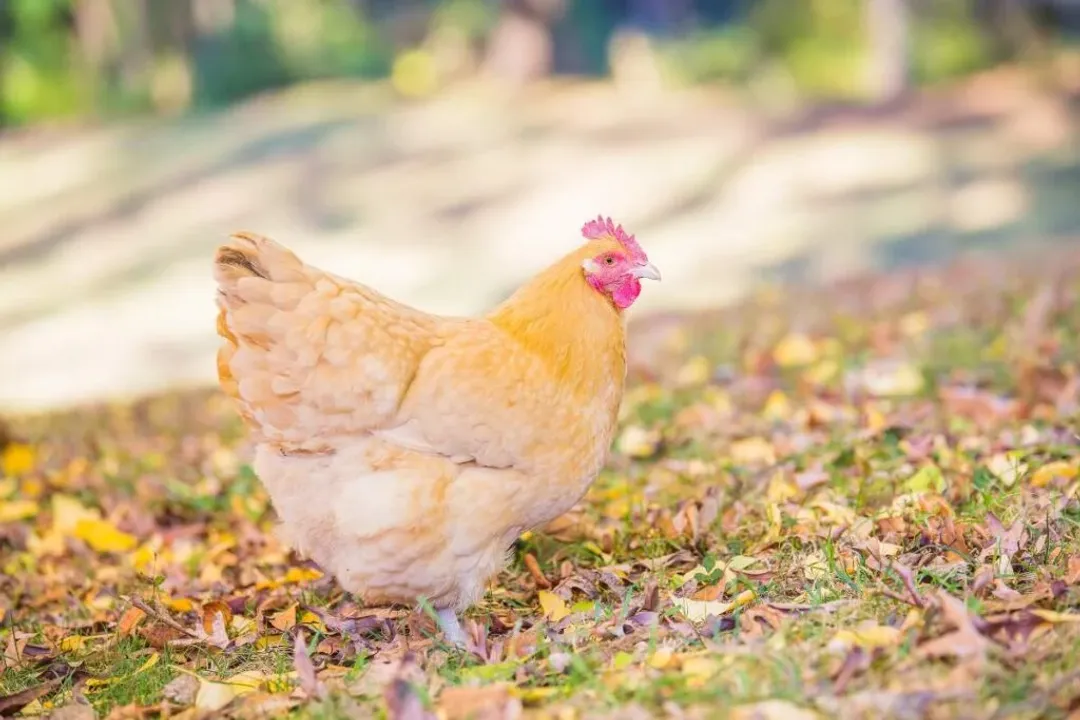
The Buff Orpington stands out in the poultry world, an iconic golden puffball that seems to have been bred specifically for affection rather than just production. It is frequently championed by everyone from seasoned homesteaders to those dipping their toes into keeping chickens for the very first time. This dual-purpose breed offers a package of beauty, gentle demeanor, and reliable utility, making it a reigning favorite among backyard keepers, especially in the United States.
# Golden Origins
The story of the Buff Orpington begins with the dedicated work of William Cook, an English coachman and poultry breeder in the late 1800s, specifically in Orpington, County Kent. Cook’s initial goal was to create a chicken that excelled in the British table market—meaning good meat quality—while still being a respectable egg layer and hardy enough for the local weather. The Black Orpington was actually his first creation, developed by crossing Minorcas, Black Plymouth Rocks, and Langshans. The Buff variety followed, achieved by crossing different stock, including Buff Cochins, Dark Dorkings, and Golden Spangled Hamburgs.
However, the historical narrative sometimes includes a slight twist. Many British historians suggest the Buff Orpington may have actually descended from the much rarer Buff Lincolnshire chicken, a breed present in the 1850s that also shared Cochin and Dorking lineage. The Buff Lincolnshire unfortunately became extinct in the 1920s, though it has since been recreated. Regardless of the exact line, the Buff Orpington established itself and made its way to the U.S. in 1903. Like many heritage breeds, its numbers waned in the 20th century as focus shifted to high-production factory fowl, but renewed interest from enthusiasts saw the breed successfully removed from The Livestock Conservancy's endangered species list in 2016.
# Fluffy Giants
Visually, the Buff Orpington is unmistakable. Its defining characteristic is its plumage, which ranges from light yellow to a deep, rich golden buff color. These chickens are heavy, large birds, but their incredibly dense and loose feathering makes them appear significantly larger than their actual weight suggests. A standard hen typically weighs between 7 and 10 pounds, while roosters are heavier, clocking in around 10 to 12 pounds. They possess a stocky build, a deep, full breast, and short legs, often with the fluff obscuring most of the leg structure beneath them. When viewed from the side, they present a characteristic U-shaped silhouette. Like other standard Orpingtons, they carry a single comb, bright red wattles, and red earlobes. It is worth noting that show birds require careful husbandry, as sun and rain can cause the beautiful buff color to fade, though the feathers often grow back in a deeper, richer tone following the annual molt. For those with smaller spaces, a miniature or Bantam version of the Buff Orpington is available, offering the same personality in a smaller package.
# Sweetest Temperament
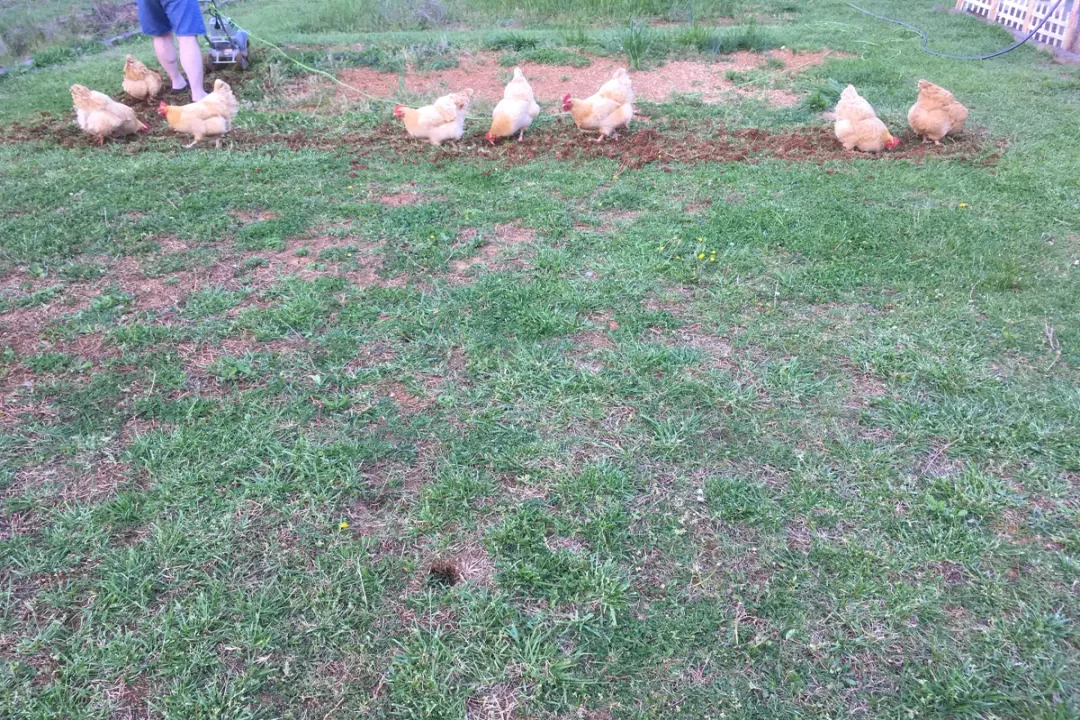
If the Buff Orpington has one claim to fame above all others, it is its personality. They are often affectionately nicknamed the "Golden Retrievers" of the chicken world due to their sweet, loyal, and profoundly calm disposition. For beginners, especially those with families, this gentle nature makes them an ideal first choice. They are known to be very sociable, often following their keepers around the yard like devoted pets, eagerly anticipating attention or treats. Many keepers report that these birds will happily sit for cuddles and are very easy to handle, sometimes even leaping into a lap voluntarily. Roosters, too, often share this trait, being notably less aggressive toward people than roosters of other breeds, making them a strong consideration for flocks that require a male presence.
However, even in a famously gentle breed, individual personalities will vary, and socialization from a young age remains key to maximizing their tame potential. One important note for new keepers is to understand the implications of their large size on social structure. Because they are so placid, they often fall toward the lower end of the pecking order within a mixed flock. A newly acquired Buff Orpington may find itself being bullied or picked on by smaller, more aggressive breeds. This can lead to a paradox: the keeper loves the sweet dog-like pet, but that pet might not stand up for itself at the food trough. If maintaining a peaceful flock where everyone eats well is a priority, pairing Orpingtons with similarly docile breeds like Brahmas or Cochins, or keeping an all-Orpington flock, is often recommended. It is generally advised to avoid introducing them to highly assertive breeds like Rhode Island Reds.
# Broody Nurturers
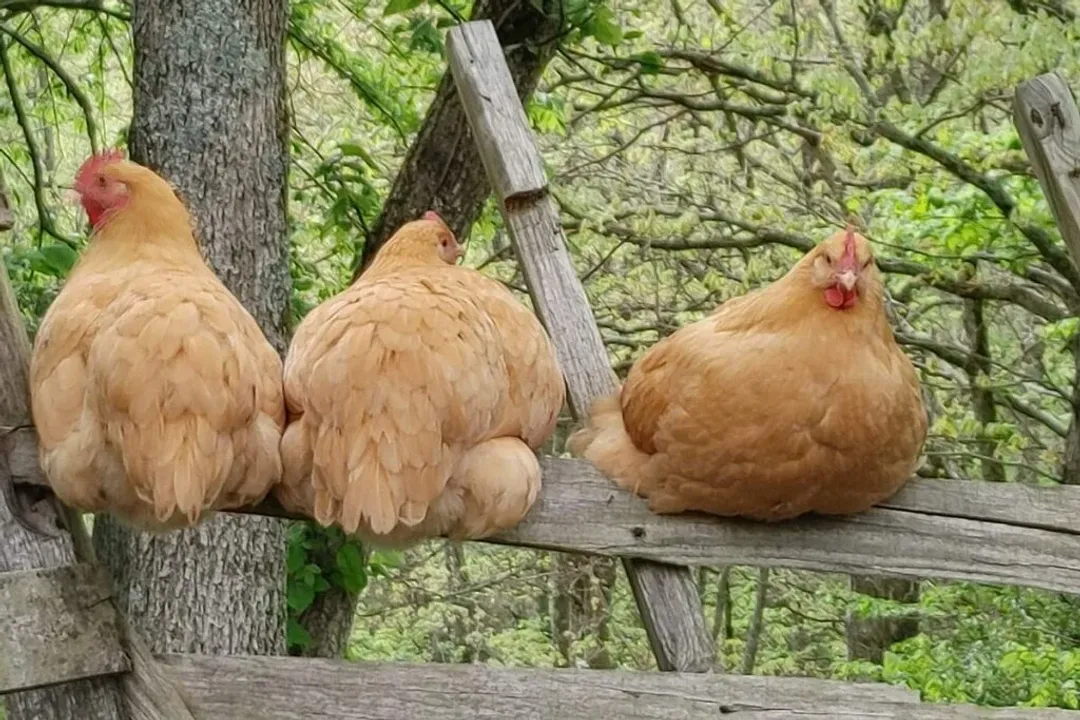
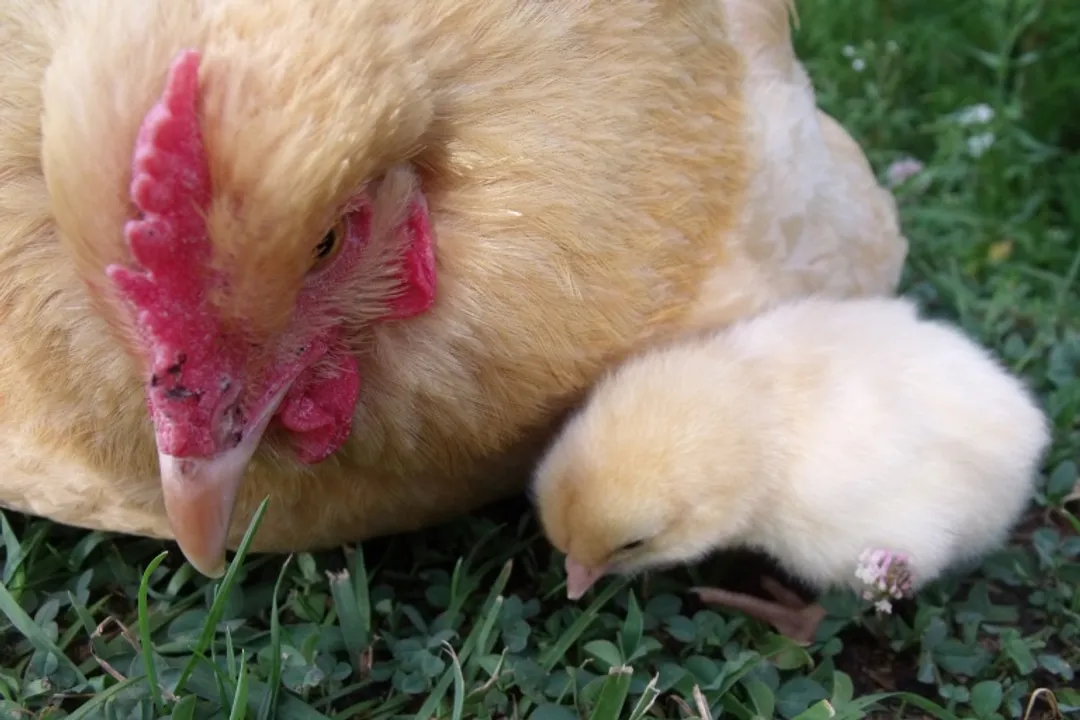
A significant advantage of the Buff Orpington for those interested in natural flock expansion is their strong maternal instinct. They are renowned for being one of the most reliably broody standard breeds, meaning they possess a strong desire to sit on, incubate, hatch, and raise chicks. A dedicated Buff mother hen is not only attentive to her own clutch but has been known to willingly adopt and raise chicks from other breeds, even those that are failing to thrive. This trait is invaluable for keepers who prefer to grow their flock naturally rather than relying solely on incubators. While this trait is breed standard, keepers should be aware that it can sometimes be selectively bred out of hatchery lines, so inquiring with the breeder about the broodiness of their specific strain is advisable if hatching is the goal. When a hen is devoted to brooding, keepers must remember she will temporarily cease laying new eggs.

# Dual Purpose
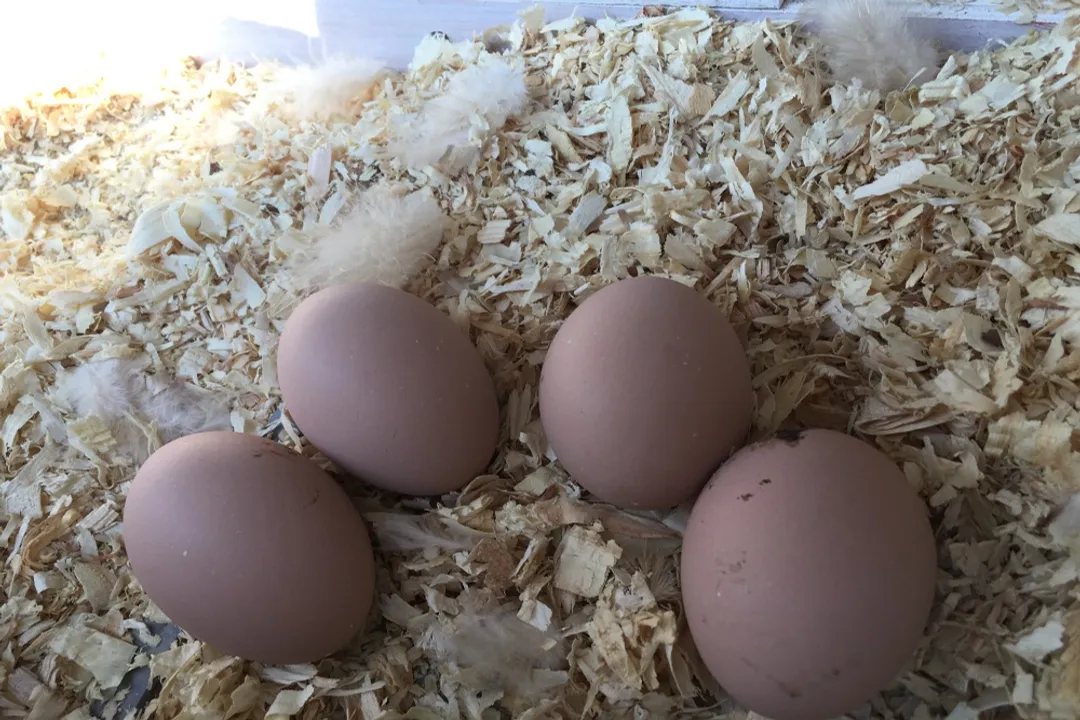
As William Cook intended, the Buff Orpington serves well in both the egg basket and the freezer. While they will never compete with pure production breeds like White Leghorns for sheer quantity, their output is consistent and reliable enough for most homesteads. Hens generally produce light brown eggs ranging from large to extra-large. The expected annual yield sits between 200 to 280 eggs per year, which translates to about 3 to 5 eggs per week per hen. They are known for maintaining good laying consistency, often continuing through the cooler months, stopping only during their annual molt. For meat, the breed is considered excellent, providing a substantial carcass, with keepers frequently praising the large size of their legs and thighs. They reach a satisfactory market weight around five to six months of age.
# Climate Needs
The Buff Orpington’s heavy, fluffy build is a double-edged sword when it comes to environmental management. They are often cited as cold-hardy birds, which is largely true due to the insulating quality of their thick feathering. However, this benefit comes with serious caveats, particularly regarding wetness and heat.
In cold, wet conditions, their low carriage presents a vulnerability. Because their bodies sit so close to the ground, their underbelly feathers can easily drag through snow or mud, becoming completely saturated. Once wet, the insulating power of the feathers is lost, making them highly susceptible to frostbite—a fact that supersedes their general reputation for cold tolerance. Therefore, if you live in a climate with snow or frequent rain, providing a covered run becomes an absolute necessity to keep their lower half dry. Furthermore, Buff Orpington roosters with notably large combs face a higher risk of frostbite, which can be mitigated by providing overhead heat sources near the roosting bars.
Conversely, the very fluffiness that shields them from cold makes them significantly vulnerable in hot weather. Heavy, densely feathered birds struggle to regulate their body temperature when the mercury soars. Heat waves pose a genuine threat, and anecdotal evidence suggests that Buff Orpingtons can perish from heat stress when other, less fluffy breeds survive unharmed. When high temperatures arrive, it is not enough to simply provide water and shade; keepers must ensure excellent ventilation in the coop and perhaps even consider cooling methods like fans, as these birds cannot manage excess heat efficiently.

# Flock Dynamics
When managing a flock, the Buff Orpington's temperament dictates several care considerations that go beyond standard management. Their inherent docility, which makes them wonderful pets, severely handicaps them in defending themselves against predators. They lack the strong, immediate fear response common in more flighty breeds. Keepers who allow them to free-range report that Orpingtons are often the first birds targeted by airborne or ground predators like hawks and coyotes, as they may simply stand still or slowly walk toward the threat instead of fleeing. Therefore, if free-ranging is permitted, vigilance or providing a secure, covered enclosure is strongly recommended.
For confinement, they adapt well to a dedicated run, though due to their size, they require more floor space—ideally 8 to 10 square feet per bird in the run and 4 to 5 square feet per bird inside the coop. Because they don't fly well, lower fencing often suffices for containment, but a roof or netting is still necessary to protect them from predators and keep the ground dry underneath. Their large size also necessitates some coop modifications, such as ensuring roosting bars are low or easily accessible via shallow ramps or steps, which prevents them from having to jump and protects their legs, as larger birds can sometimes experience leg issues.
# Garden Benefits
If you maintain a garden, welcoming Buff Orpingtons into your yard offers distinct advantages beyond just companionship. Their natural foraging instinct makes them industrious helpers. As they scratch and peck through the soil hunting for insects, worms, and other "delectables," they naturally aerate the garden beds—a physical benefit to the soil structure. As plants mature, the flock continues its service by patrolling leaves and stems, acting as a natural, organic extermination crew that removes unwanted pests without the need for chemical intervention.
Their contributions don't stop there. Chicken manure is a potent garden amendment, particularly high in nitrogen. A key advantage Orpington compost offers over manure from grazing animals like cows or horses is purity. Since chickens process their food thoroughly through their gizzard—grinding everything down to a singularity—their droppings are a purer source of fuel for the garden. In contrast, manure from animals without gizzards often passes viable, fertile weed seeds through their digestive tracts, introducing unwanted growth to the garden beds after application. By utilizing Buff Orpington compost, keepers can ensure their fertilizer is both organic and free from the potential chemical additives sometimes found in commercially sourced manures. The Buff Orpington, therefore, provides excellent fertilizer while simultaneously helping the gardener grow organic produce free from external pest control measures.
Weighing in on size and production trade-offs provides a final point for the prospective keeper: while they eat more feed than smaller, lighter breeds, meaning they are not the most "thrifty" choice economically, the trade-off is the unparalleled sweetness, excellent mothering ability, and visual appeal they bring to the flock. They are a breed where the enjoyment derived from their personality often outweighs the pursuit of peak efficiency in eggs or feed conversion. Their lifespan generally averages between 5 to 8 years, though some devoted keepers report their companions living a decade or more.
#Videos
Buff Orpington All You Need To Know Temperament and Egg Laying
Related Questions
#Citations
Buff Orpingtons - Facts and Pictures | BackYard Chickens
Buff Orpington chickens: The lovable, versatile egg-laying giants
Buff Orpington Chicken Breed Guide - Tractor Supply
5 Reasons To Love Buff Orpingtons. - The Kuntry Klucker
Buff Orpington All You Need To Know Temperament and Egg Laying
All About Buff Orpingtons: A Classic Favorite
The Buff Orpingtons are a very friendly breed and this makes them ...