Wyandotte Chicken Evolution
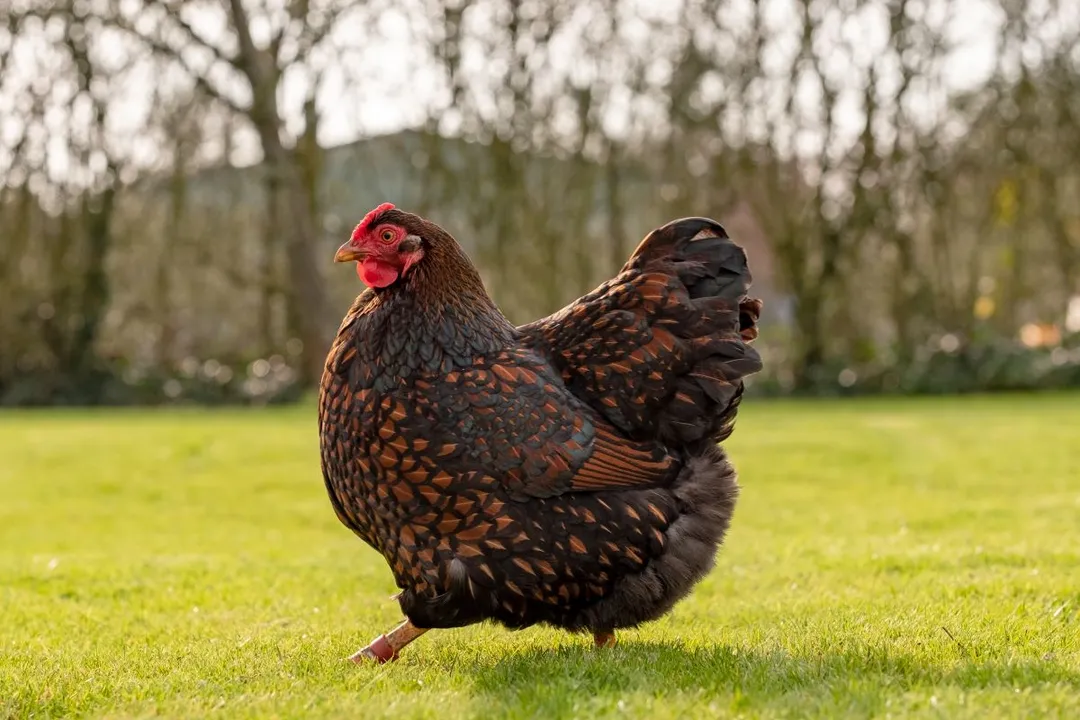
The Wyandotte chicken represents a significant chapter in American poultry development, originating from a conscious effort by breeders to produce a superior farm bird in the latter half of the 19th century. [2][5] This breed is distinctly American, developed primarily in New York State during the 1880s. [2] The driving force behind their creation was the desire for a dual-purpose fowl that could thrive in the often harsh, cold winters of the Northeast, a goal that dictated many of the key physical characteristics that define the breed today. [1][5]
# Breed Genesis
The initial evolution of the Wyandotte involved careful crosses between established, popular breeds of the era. [1] Breeders combined characteristics from Asiatic fowl, such as the Brahma and Cochin, which contributed size, heavy feathering, and a generally docile temperament. [1][2] These were then crossed with American breeds, most notably the Plymouth Rock. [1][2] Some historical accounts also cite the Indian Game fowl as an influence in the lineage. [2] The resulting hybrid stock was refined over several generations to stabilize the desired traits, moving beyond simple crossbreeding toward establishing a true, recognized breed standard. [1]
The combination of these parent lines was highly intentional. The Asiatic contribution brought hardiness and bulk, making them excellent meat birds while also contributing to good egg production. [1][5] The American influence likely helped maintain a more active foraging nature and a practical body shape compared to some of the heavier, leggier Asiatic breeds. [2]
The name itself carries a historical footnote; they were named after the Wyandot (or Wendat) Native American tribe. [1][2] It is important to note, however, that this naming was more an homage to the region or perhaps a nod to their robust, "native-like" hardiness, rather than any direct ancestral link to the tribe's poultry-keeping practices. [1]
# Selective Pressure Comb Design
Perhaps the most telling feature regarding the breed's evolutionary pressure—its adaptation to climate—is the rose comb. [1][5] The breeders deliberately selected against the common single comb seen on many contemporary breeds like the Leghorn. The single comb, being large and upright, is highly susceptible to frostbite in frigid weather, which can lead to serious health issues or even death in cold climates. [5]
The rose comb, by contrast, is low-set, thick, and covered in small points, making it much less prone to freezing and damage. [1] This feature provided a distinct advantage for a hardy, cold-weather utility bird. When viewing the Wyandotte standard against its likely predecessors, the emphasis on this specific comb style highlights that the breed was engineered for function in cold environments before it became an exhibition favorite. [5] While many other breeds retained the single comb, the Wyandotte’s evolution favored practicality in its physical architecture.
# Standardization and Recognition
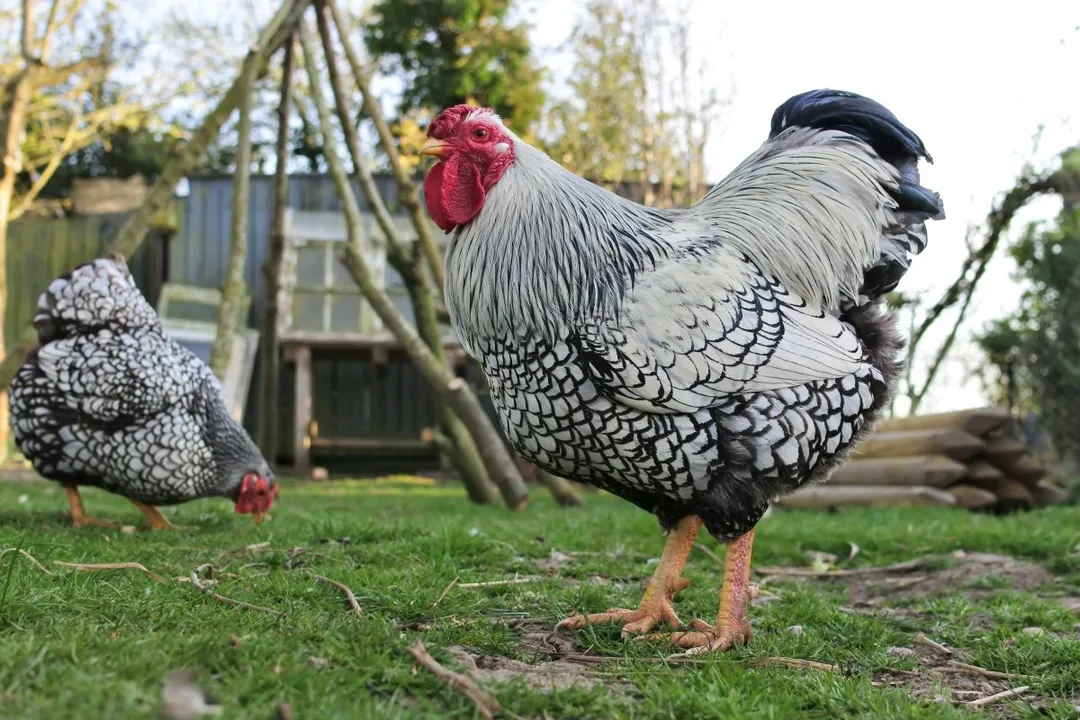
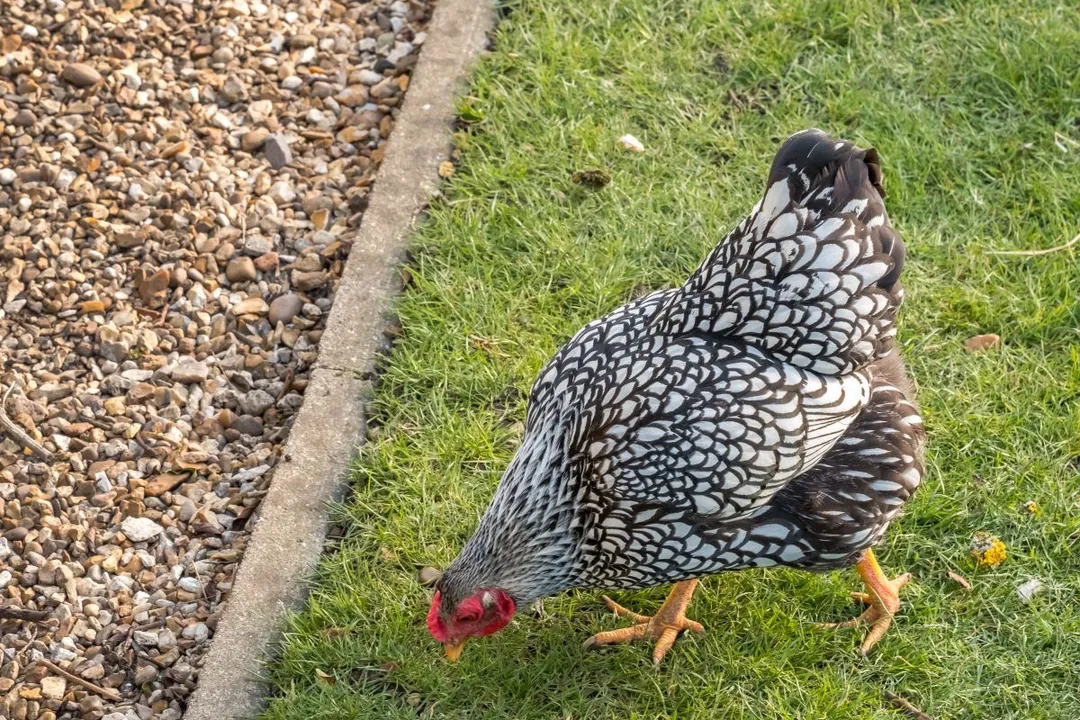
The formal evolution of the Wyandotte began when breeders started to agree on a consistent appearance, particularly focusing on the striking feather pattern that would become its hallmark. [7] The first variety to achieve official recognition was the Silver Laced Wyandotte. [1][5][7] This pattern requires precise black lacing around the edge of each individual silver-white feather, demanding excellent breeding control to maintain consistency. [7]
The American Poultry Association (APA) officially accepted the breed in 1883. [2][5] This acceptance marked the official transition from experimental crosses to a standardized breed. Following the Silver Laced success, the Gold Laced Wyandotte was accepted shortly thereafter. [2] The initial recognition process solidified the breed's core shape—a medium-sized, well-rounded bird with clean legs (free of feathers) and that defining rose comb. [1]
It is interesting to observe the speed of formal acceptance. Developing a new breed takes years of stabilizing genetics, yet the Wyandotte achieved official status relatively quickly once the desired pattern was fixed, suggesting that the base bird, derived from popular utility breeds like the Plymouth Rock, was already quite well-established in the farmer's mind. [2]
# Expanding the Palette
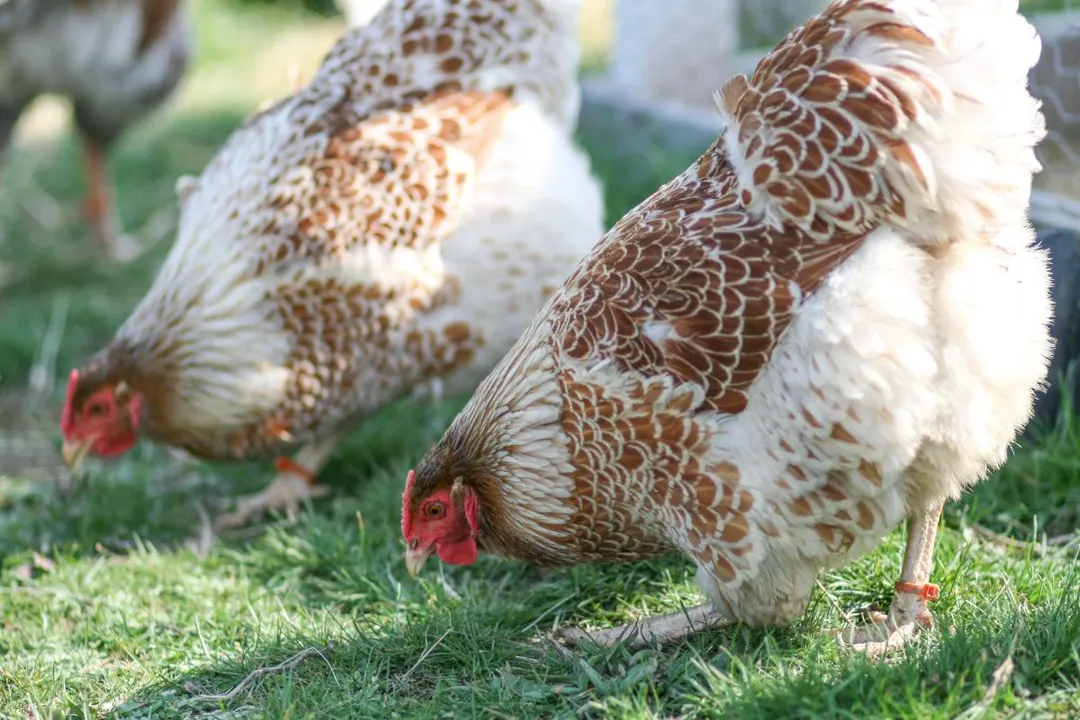
Once the breed was established and accepted based on the laced patterns, the evolutionary path of the Wyandotte shifted slightly from pure utility creation to catering to breeder preference and exhibition standards. [2] This led to the development and acceptance of numerous other color varieties over the following decades.
The list of recognized colors expanded significantly, demonstrating the breed’s genetic versatility inherited from its diverse foundation stock. Recognized colors include the Black, White, Buff, Partridge, Silver Penciled, Blue, and Blue Laced Red varieties. [2]
When looking at the progression of these colors, one can often trace the development back to established color lines within the parent breeds. For example, the White Wyandotte might have been developed by crossing Wyandottes with white birds like the White Plymouth Rock or by selecting recessive white mutations within the existing stock. The introduction of these solid colors or other patterns (like penciling) shows that while the shape and comb were fixed by the original utility goal, the coloring was allowed to evolve based on aesthetic appeal within the poultry fancy. [2]
For someone working with exhibition birds today, understanding this lineage is key. For instance, achieving the sharp contrast in a modern Silver Laced Wyandotte requires breeders to maintain genetic lines pure to the standard, preventing accidental mixing of genes that might lead to blurring or fading of the lacing, which can occur if the stock is occasionally crossed with less carefully bred birds. [7]
# Form and Function Today
The Wyandotte successfully transitioned from a strictly utilitarian cold-weather producer to a highly regarded dual-purpose bird, excelling both in egg production and meat quality. [1][2][5] They are known for laying brown eggs, often numbering around 175 to 200 per year, a respectable output for a heavier breed. [1][2]
The evolution of the Wyandotte also includes a split in size classification. While the original standard produced the Standard Wyandotte, the breed has also been developed into a Bantam version. [2] This bantamization process—creating miniature versions of standard breeds—is a common evolutionary track in the world of poultry fancy. It allows fanciers to keep the beloved characteristics and look of the large bird in a smaller footprint, suitable for smaller properties or younger enthusiasts. [2] The core genetic blueprint, including the rose comb and rounded body type, remains consistent between the standard and bantam forms, illustrating a controlled evolutionary divergence based on size selection.
If we consider the utility side of their evolution, it's telling that they remain popular on homesteads. A modern homesteader often seeks a bird that is reliable year-round, which plays directly back to the original selection criteria: hardiness, good feathering, and resistance to frostbite from the rose comb. [1][5] This indicates a successful evolutionary trajectory where the initial design goals remain relevant a century later.
# Insights into Breed Success
The enduring success of the Wyandotte, persisting against the introduction of specialized modern production breeds, offers an insight into genetic stability driven by broad appeal. A successful breed doesn't just excel at one thing; it performs adequately at several. The Wyandotte's ability to be a decent layer, a decent meat bird, and handle cold weather means that even if it is outclassed by a Leghorn in egg volume or a Cornish Cross in growth rate, it remains a practical, low-maintenance choice for general farm use. [1][2] This balanced profile is a testament to the wisdom of their original developers.
Furthermore, when looking at the maintenance required for the laced varieties, one can appreciate the dedication of the early breeders. Maintaining the sharp, clean lacing of the Silver Laced pattern requires a level of focus on genetics that goes beyond simple flock management. It suggests that even in the 1880s, there was a strong segment of the poultry community interested not just in calories, but in presentation. This duality—the hardiest farm bird and the most beautifully feathered exhibition bird—pushed the breed’s standards into two directions simultaneously.
| Variety | APA Acceptance | Primary Evolutionary Contribution |
|---|---|---|
| Silver Laced | 1883 | Original Standard, Climate Adaptation |
| Gold Laced | Shortly after 1883 | Established Pattern Versatility |
| White, Buff, Partridge | Later Development | Expansion of Fancier/Exhibition Appeal |
| Bantam | Separate Process | Size Variation for Hobbyists |
In the context of modern homesteading, the Wyandotte's calm demeanor is also a crucial inherited trait, making them suitable for integration into mixed flocks or environments where children are present. [2] This docile nature, likely enhanced by the influence of the heavier Asiatic stock, completes the picture of a well-rounded bird that has evolved not just for hardiness, but for compatibility within the farm environment. [1] The Wyandotte's evolution, therefore, is a story of balancing practicality (rose comb, dual-purpose) with artistry (laced feather patterns).
#Videos
Silver Laced Wyandotte: Chicken Breed Progression of Chick to Adult
Related Questions
#Citations
All About the Wyandotte Chicken Breed
Wyandottes: A Comprehensive Guide - Backyard Chicken Coops
A Guide to Wyandotte Chickens - Tennessee Farmers Cooperative
Silver Laced Wyandotte: Chicken Breed Progression of Chick to Adult
Wyandotte Chicken Breed Profile: A Handsome Homestead Favorite
Wyandotte color combinations and genetics? - Facebook
Silver Laced Wyandottes - Murray McMurray Hatchery
Wyandotte harvest age : r/Homesteading - Reddit