What food source dominates the diet of juvenile Pacific whiting before they mature into large predators?
Answer
Smaller zooplankton and invertebrates
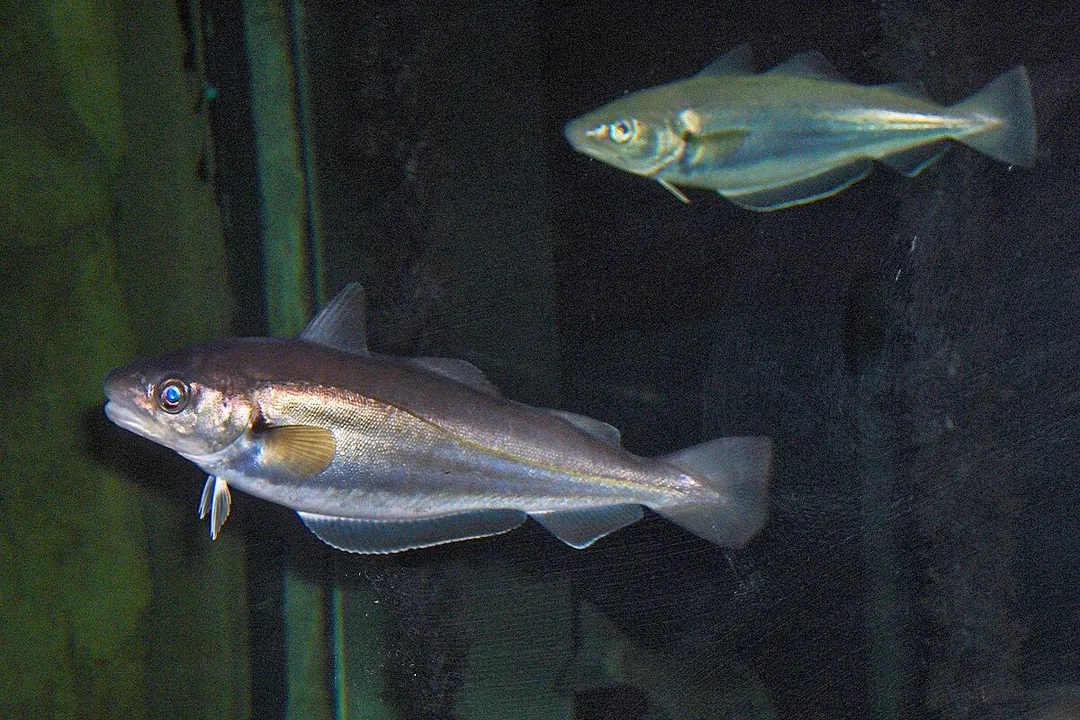
The feeding ecology of whiting species shows a distinct life-stage dependency. When Pacific whiting are in their juvenile phase, their dietary focus is significantly smaller, consisting primarily of smaller zooplankton and various invertebrates floating in the water column. As they transition into adulthood and become more formidable predators, their diet shifts dramatically toward larger, more energy-dense sources such as small pelagic fish and crustaceans like euphausiids (krill). This progression from tiny food sources to larger prey items reflects classic predatory development within their marine environment.
Related Questions
What is the scientific designation for Pacific whiting, commonly known as Pacific hake?What food source dominates the diet of juvenile Pacific whiting before they mature into large predators?What ecological role is firmly established for whiting based on their consumption patterns in the marine food web?Where is the European whiting, designated as Merlangius merlangus, primarily located geographically?What condition necessitates a downward adjustment in the Maximum Sustainable Yield (MSY) calculation for Pacific whiting stocks?Which prey category is listed as being critical for rapid growth in adult whiting, associated with high-calorie intake?How can observing the stomach contents of whiting over multiple years provide actionable information to fishery scientists?What distinct entity, despite its common name, is mentioned as not being a true hake alongside Pacific whiting?What factor, influenced entirely by the fish's recent diet, can cause a subtle difference in the flavor profile of fresh whiting purchased by a home cook?Why is applying the management model derived for Pacific hake (*Merluccius productus*) to European whiting (*Merlangius merlangus*) considered scientifically unsound?