White Butterfly Diet
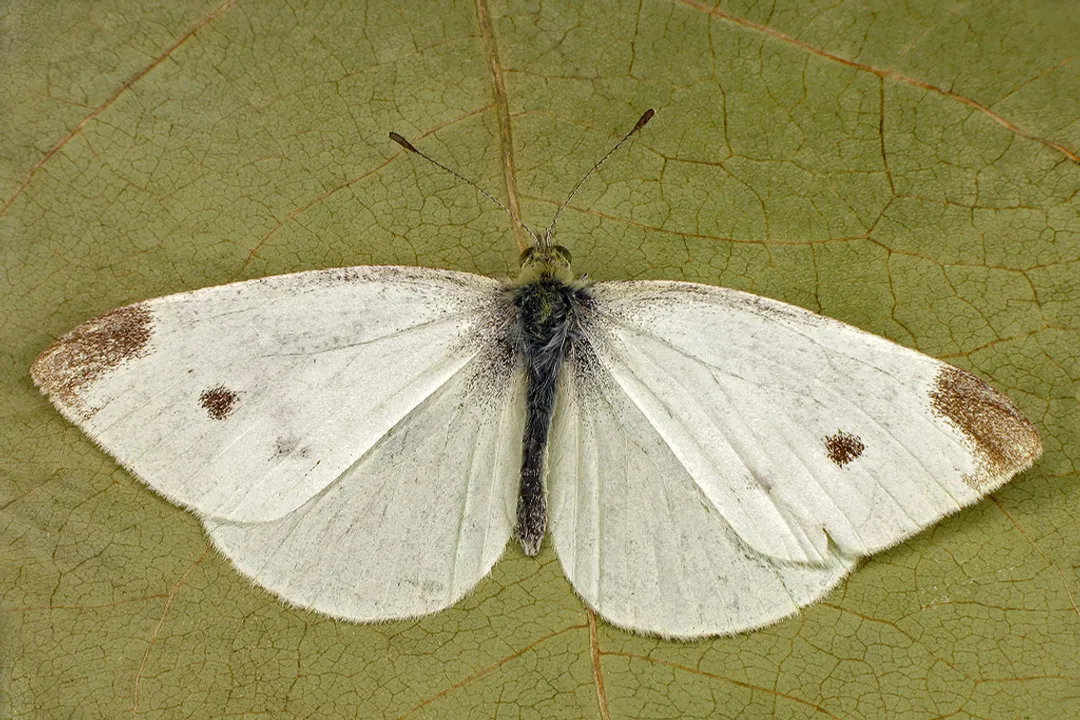
The diet of a white butterfly is fundamentally linked to its larval stage, as this is when specialized feeding habits determine the butterfly's success and often its pest status in agricultural settings. While the term "white butterfly" covers several species, the most frequently discussed—and often the one gardeners encounter—is the Cabbage White, scientifically known as the Small White (Pieris rapae). The dietary focus for this common insect revolves almost entirely around plants belonging to the mustard or cabbage family.
# Brassica Staple
The caterpillars of the Cabbage White are aptly nicknamed "cabbage worms" because of their strong preference for members of the Brassicaceae family. This group encompasses many vegetables central to temperate gardening and farming. If you are growing these crops, you are providing the ideal environment for these larvae to thrive.
Specific host plants heavily favored by the Small White larvae include:
- Cabbage
- Broccoli
- Cauliflower
- Kale
- Brussels sprouts
- Radish
- Turnip
- Mustard greens
This reliance on a narrow selection of plant families is a defining characteristic of this particular white butterfly. While adult butterflies feed on nectar from a variety of flowers, the survival of the next generation hinges on finding these specific host plants for the caterpillars to consume. An adult butterfly might be seen sipping from almost any available nectar source, but the egg-laying female is far more selective about where she deposits her clutch.
# Species Differences
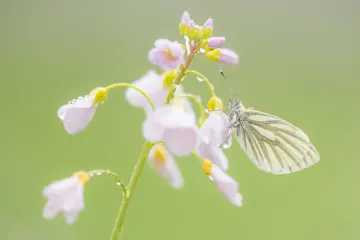
It is important to note that not all butterflies appearing white share the exact same diet, though the Brassica preference is common among the Pieris genus. For instance, in regions where the Great White Butterfly (Pieris canidia) is present, their preferred host plants can differ slightly, indicating a parallel but not identical feeding niche. While the Great White also favors plants in the Cruciferae (another name for the cabbage family), documented preferred plants also include nasturtium (Tropaeolum majus) and cape gooseberry (Physalis peruviana). This illustrates that even closely related species can have distinct dietary niches, which is crucial knowledge for gardeners trying to manage pest populations or support local wildlife.
# Larval Feeding
The feeding intensity is concentrated entirely in the larval stage. The resulting caterpillars cause visible damage by chewing holes in the leaves of their chosen host plants. The sheer number of generations or high local populations can lead to significant defoliation, particularly on young or closely planted crops. Because the diet is so specialized, growers often find that if their Brassica patch is untouched, the local white butterflies are likely of a different species or are simply resting adults who have not yet found a suitable spot to lay eggs.
When observing a garden experiencing an infestation, a practical first step is to confirm the presence of the small green-and-yellow striped caterpillars, as this confirms the diet is currently focused on the intended vegetable crop, rather than a mistaken identification. The larvae are known to consume tissue voraciously throughout their development stages before pupating.
# Managing Proximity
The extremely narrow dietary requirement of the Cabbage White caterpillar offers a significant opportunity for gardeners seeking non-chemical control methods. Since the female butterfly must locate a specific plant type to lay her eggs, manipulating the surrounding vegetation can disrupt the process. If a gardener knows that their entire crop of radishes and kale is susceptible, intentionally planting strong-smelling or heavily leafed non-host species immediately adjacent can sometimes confuse or deter ovipositing females.
For instance, placing herbs like dill, mint, or strongly scented alliums right next to vulnerable rows creates a form of visual and chemical camouflage. While this technique does not repel all insects, it forces the butterfly to spend more time searching, potentially leading it to move on to an easier target or another location altogether. This approach relies on the butterfly's reliance on visual cues and scent profiles for plant identification, essentially creating a "false positive" environment near the intended target.
# Diet Specificity Analysis
The strong host-plant fidelity seen in the Cabbage White—where the larvae are essentially specialists on Brassicaceae—is a fascinating evolutionary trait that makes them both a successful pest and relatively easy to manage when their life cycle is understood. In contrast, some other butterfly species are known generalists, able to feed on a much wider range of plant families, making pest control or conservation efforts for those species far more complex. The Cabbage White's requirement for specific sulfur-containing compounds found in the mustard family plants is a key barrier; they cannot simply switch to eating lettuce or beans if their preferred food disappears. This specialization means that if a gardener removes all Brassicas from their yard for a season, the local Cabbage White population dependent on that food source will drastically decline the following year, something that rarely happens with a generalist feeder. This vulnerability to crop removal highlights the tight co-evolution between the insect and the plants it damages.
Related Questions
#Citations
Cabbage White Butterflies Are Here! - SDSU Extension
Cabbage White Butterfly & Caterpillars - Avoiding a massacre!
What will cabbage white butterflies feed on? - Facebook
Guide to plants favoured by great white butterfly
The White Butterfly, aka Cabbage White, Loves Leafy Greens
Small White | Butterfly Conservation
What deos cabbage white eat? : r/butterfly - Reddit