Whiting Diet
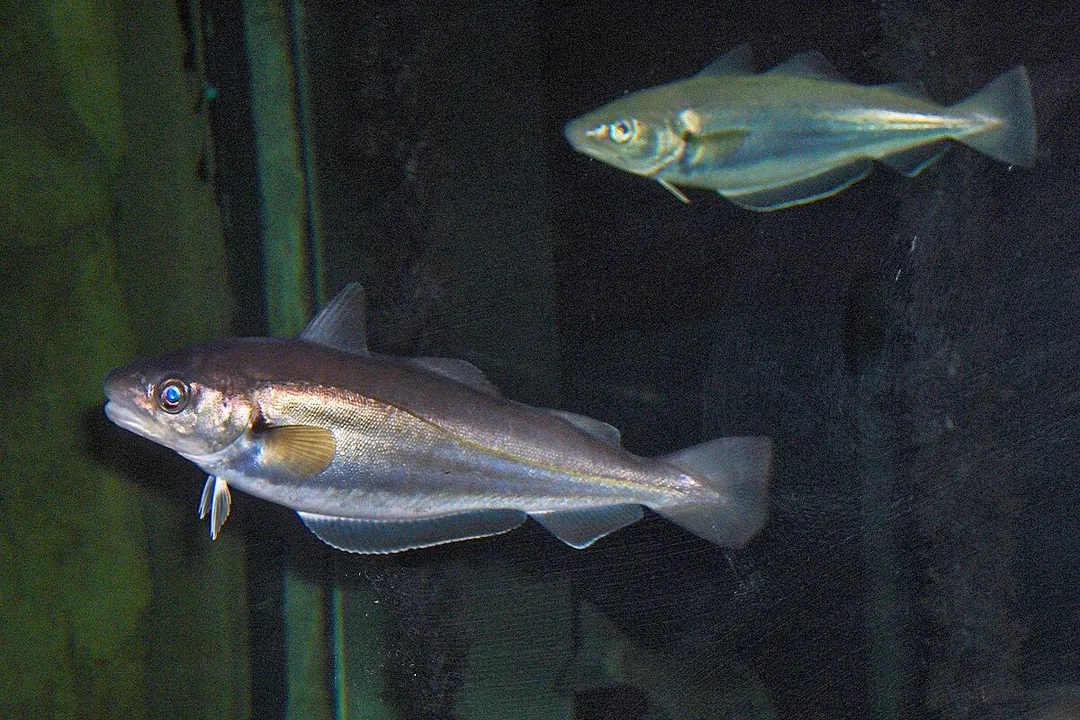
The term "whiting" often casts a wide net across the world’s oceans, referring to several distinct species of slender, white-fleshed fish belonging to the cod family, Gadidae. While commonly grouped together, it is essential to distinguish between the major players, such as the Pacific whiting (Merluccius productus), also known as Pacific hake, and species within the Merlangius genus, like the European whiting. Understanding the diet of these fish is fundamental to grasping their ecological significance and the management strategies employed to sustain their populations.
# Species Identity
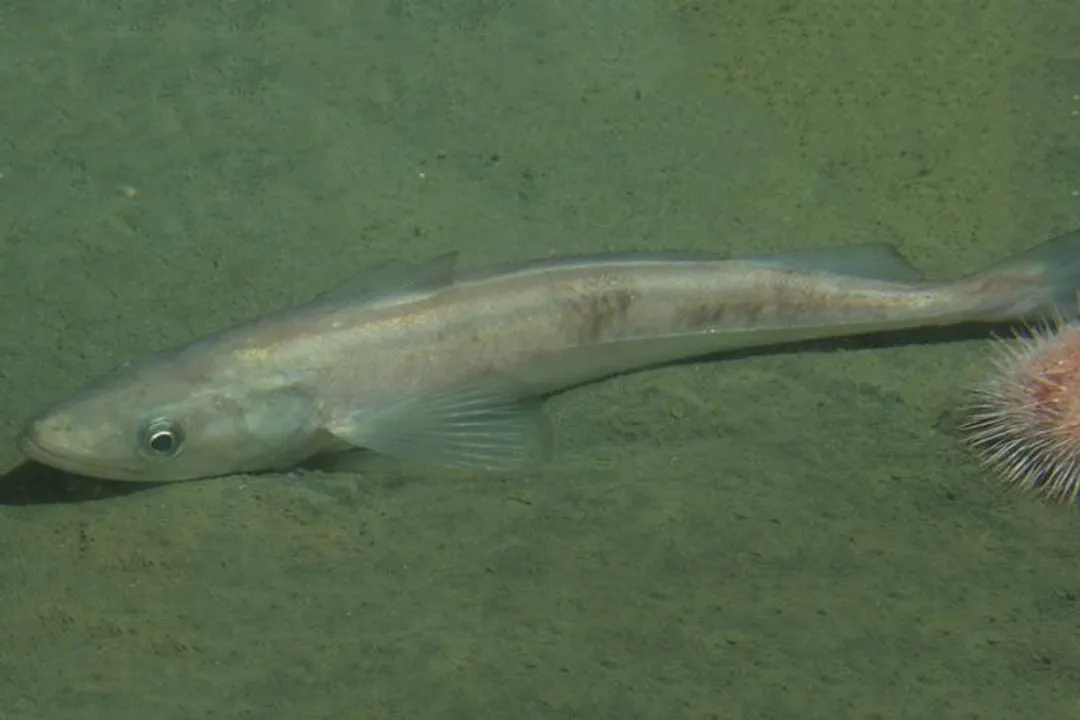
The diversity within the whiting group means that a discussion about their diet must acknowledge which species is under consideration. In North America, the focus frequently falls on Pacific whiting (Merluccius productus), which supports a major commercial fishery along the West Coast of the United States and Canada. This species is pelagic, spending much of its life in the water column, often migrating seasonally between spawning grounds off Baja California and feeding grounds further north.
Contrarily, the European whiting, or Merlangius merlangus, is found primarily in the Northeast Atlantic, from the Barents Sea down to the Mediterranean. While both share the characteristic lean, white flesh prized by consumers, their habits, habitats, and, crucially, their primary food sources can differ significantly based on geography and oceanographic conditions. For instance, the California Department of Fish and Wildlife notes the existence of the California hake or false hake (Urophycis tenuis), which, despite its name, is not a true hake and represents another distinct entity in the broader context of "whiting-like" species.
# Feeding Ecology
The diet of whiting species is highly dependent on their life stage and geographical location, showcasing classic predatory behavior within their respective marine environments. For Pacific whiting, a significant portion of the literature points toward a diet heavily reliant on small pelagic fish and crustaceans. As juvenile fish, they consume smaller zooplankton and invertebrates, but this shifts dramatically as they mature into formidable predators.
When examining the feeding habits across various whiting stocks, there is a clear pattern of opportunistic predation dominated by the most abundant available prey. Technical studies on whiting populations often detail an almost exclusive reliance on crustaceans and small schooling fish in their diet composition. Specifically, for the Pacific species, crustaceans like euphausiids (krill) and various small fish are staples.
In contrast, some research suggests that the diet of North Sea whiting—a common European variant—shows a stronger reliance on certain types of small, abundant fish, though euphausiids remain important. A comparative look reveals that where a fishery focuses on Pacific hake, the assessment of stock health often hinges on the availability of these key prey species, as fluctuations in krill or juvenile forage fish stocks directly impact whiting growth and survival rates.
A technical review analyzing feeding in certain whiting populations highlighted that prey biomass is the primary determinant of feeding strategy. This suggests a high degree of dietary plasticity; if one primary prey item declines, the whiting population must adapt quickly to secondary sources to maintain condition. This adaptability is a survival mechanism but complicates stock assessment, as researchers must track multiple potential prey bases rather than just one primary food source.
# Prey Composition Data
While exact percentages vary by study, location, and season, a general breakdown for adult whiting diet often looks something like this, reflecting general findings on Gadiform diets which include whiting:
| Prey Category | Importance (General Trend) | Source of Energy |
|---|---|---|
| Crustaceans (Euphausiids, Copepods) | Very High, especially for juveniles and in specific regions | Consistent energy base |
| Small Pelagic Fish (Herring, Sardine larvae) | High, critical for rapid growth | High-calorie intake |
| Invertebrates (Squid, Amphipods) | Moderate to Low | Opportunistic feeding |
This table is a generalized representation of the findings that indicate the whiting's diet is characterized by high-volume, energy-dense small organisms available in the mid-water column.
# Ecological Position
The diet firmly establishes whiting as a mesopredator—a crucial middle link in the marine food web. Their consumption patterns place them in direct competition with other forage fish feeders, but they also serve as a significant food source for larger predators such as marine mammals and larger predatory fish. The health and size of the whiting stock, which is directly supported by its diet, thus has cascading effects throughout the ecosystem.
One area where diet analysis becomes particularly insightful relates to predator-prey dynamics. If a region experiences a multi-year decline in the availability of a key prey item, like juvenile rockfish or sand lance, whiting populations might temporarily exhibit slower growth or reduced recruitment, even if the overall oceanographic conditions seem favorable. This subtle lag between environmental change and direct impact on the predator's body condition is a nuanced element that fishery scientists watch closely. Observing the stomach contents of whiting over several years can thus act as an early warning system for broader ecosystem stress long before those effects become apparent in the larger apex predators.
# Fishery Management
For commercially important stocks like Pacific whiting, understanding the diet is not just an ecological exercise; it is central to setting sustainable catch limits. When scientists model the population dynamics, they must factor in "natural mortality," which is heavily influenced by predation on the whiting and the availability of food for the whiting. If a forage base collapses, the carrying capacity of the environment for whiting lowers, meaning the maximum sustainable yield (MSY) must also be adjusted downwards, irrespective of fishing pressure.
In the context of international management bodies, data collection on diet often involves systematic sampling of catches across different regions to ensure that the dietary profiles used in stock assessments are representative of the entire distribution. This requires coordination, as what a whiting eats off Oregon might differ from what one consumes off Washington. Considering that Pacific hake is managed under an international cooperative agreement between the U.S. and Canada, this shared understanding of their resource base, tied to diet, is fundamental to harmonizing fishing quotas.
# Consumer Perception
While the fish's diet is about survival in the wild, its final destination often involves the dinner plate, bringing us to the human perspective on "whiting diet" in the sense of human nutrition. Whiting is generally recognized for its mild flavor and lean composition, making it an attractive option for health-conscious eaters. It provides high-quality protein and is a source of beneficial nutrients like selenium and phosphorus.
When comparing the nutritional density of various white fish, it’s interesting to note that the fat content, while generally low, can vary seasonally and geographically, likely reflecting recent feeding success. A whiting harvested immediately following a period of abundant krill intake might carry slightly higher levels of beneficial omega-3 fatty acids than one caught during a lean period, a subtle but real difference influenced entirely by its recent diet. For the home cook, this might translate to a marginally richer flavor profile in fish caught during peak summer feeding seasons versus leaner winter specimens.
# Actionable Insight
For those interested in sourcing the most sustainable and likely highest-quality whiting, paying attention to the regional context of the catch can be informative. Rather than just looking for the species name, consider the geographic area: a Pacific hake (Pacific whiting) caught north of Point Conception, California, is more likely to have recently exploited robust euphausiid blooms typical of the California Current ecosystem, suggesting a healthy feeding environment. If you are purchasing fresh fish, asking the retailer where exactly in the fishing area the catch originated might provide a proxy indicator of recent feeding success, reflecting a more robust dietary intake than a fish caught near the southern, more thermally stressed edges of the range. This depth of knowledge moves beyond generic labeling to an appreciation of the fish's recent life history.

# Comparative Analysis
The scientific community often uses diet studies to draw clear lines between different species, even if they share a common name. For example, the dietary profiles used to manage Merluccius productus (Pacific hake) are distinct from those used for Merlangius merlangus (European whiting). The European stock is often studied in relation to North Sea dynamics, where prey availability might be more influenced by North Atlantic Oscillation patterns, whereas the Pacific stock is tied more closely to the upwelling dynamics off the western coast of North America. Recognizing these ecological separation points is essential because applying the management model from one region to another, based on a shared common name, would be scientifically unsound and could lead to overfishing or misallocation of resources. Scientists must isolate the data related to the specific trophic interactions defining each separate stock's environment.
Overall, the diet of whiting is the engine driving its ecological role, population dynamics, and ultimate commercial value. From the tiny copepods consumed by the youngest fish to the large schools of forage fish that sustain the adults, the food web dictates the fate of these important marine resources.
Related Questions
#Citations
Pacific Whiting | NOAA Fisheries
The diet and food consumption of whiting {Merlangius merlangus) in ...
The diet of whiting Merlangius merlangus in the western Baltic Sea
Whiting: Nutrition, Flavor and Quality on your Table - Frigorífics Ferrer
Merlangius - Wikipedia
Pacific Whiting - Marine Species Portal
Feeding behaviour of whiting, Merlangius merlangus, L. in captivity
Whiting - Killybegs Fishermens Organisation
[PDF] Whiting - ICES