What food category do berries and seeds supplement in the Whinchat's diet, primarily occurring in autumn?
Answer
Plant matter when insects decline
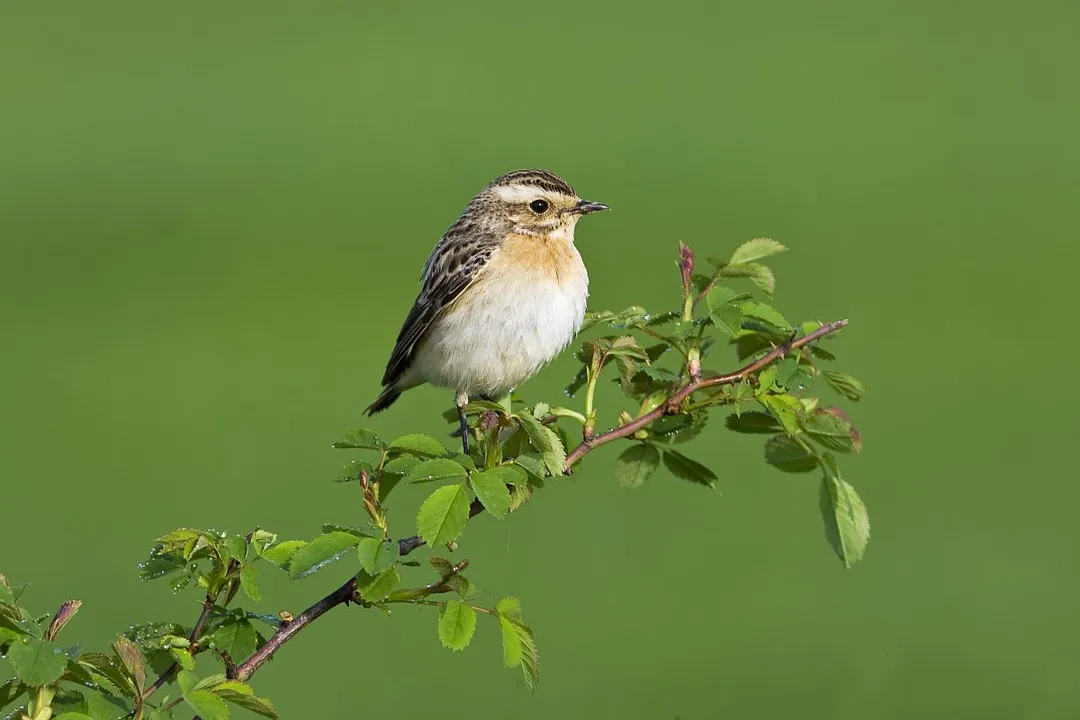
The Whinchat exhibits dietary flexibility in response to environmental changes, particularly as insect availability wanes seasonally or due to adverse weather. When the abundance of invertebrates decreases, typically as autumn approaches, the birds adapt by incorporating non-animal matter into their intake. This shift involves consuming small seeds and soft fruits, such as blackberries, moving them towards a more omnivorous state temporarily. This adjustment is vital for maintaining energy levels during periods when their primary, high-protein insect diet is compromised, aiding in pre-migratory fueling.
Related Questions
Where does the Whinchat migrate to for its wintering grounds?What specific term describes the Whinchat's swift, targeted flight from a perch to capture prey?What essential component of the diet is paramount for raising young during the Whinchat's breeding season?Which agricultural practice creates a nutritional bottleneck by reducing mature prey biomass?What small, high-energy larval stage is listed as a crucial food source for Whinchat chicks?What food category do berries and seeds supplement in the Whinchat's diet, primarily occurring in autumn?Which recommended garden offering mimics the Whinchat's natural high-protein invertebrate meal?What specific behavior, involving rapid ground movement and appendage action, aids the Whinchat in covering hunting territory?What feature of the Whinchat's preferred habitat provides necessary visual access for spotting ground prey?Besides ground-dwelling prey, which other flying insects are opportunistically noted in the Whinchat's diet?