Whinchat Diet
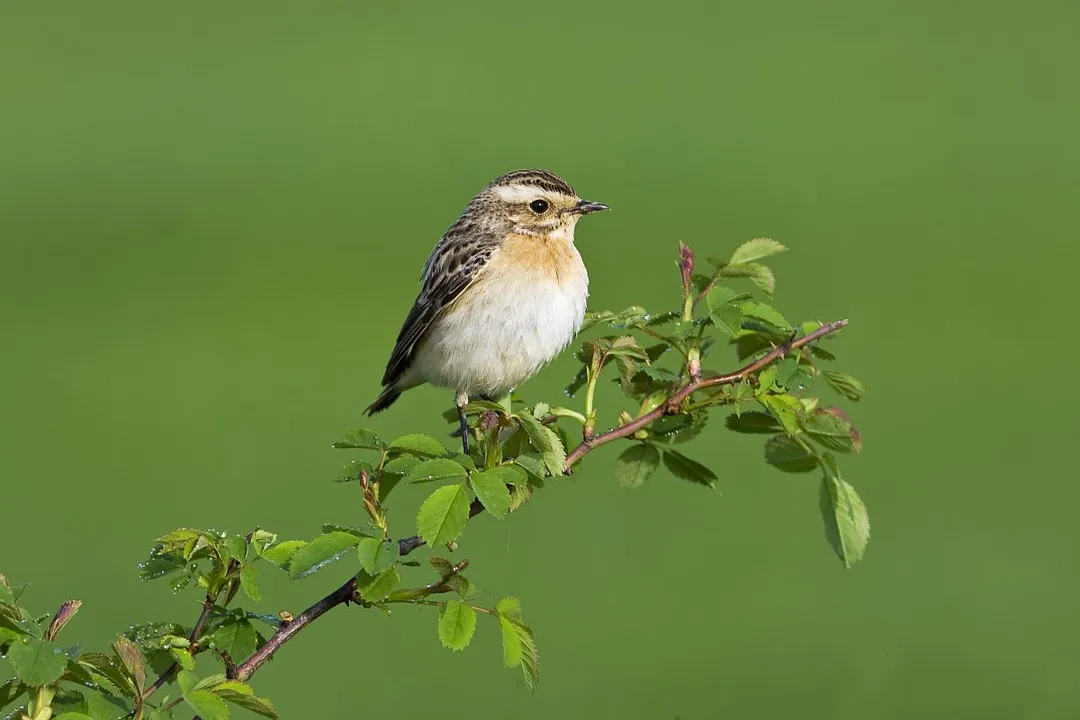
The Whinchat, that distinctive summer visitor to our open landscapes, has a diet so intrinsically linked to its survival that understanding its feeding habits is key to understanding its preferred habitat and migratory success. As a small, energetic passerine, its daily energy requirements are significant, especially when fueling its long journey to the wintering grounds in Sub-Saharan Africa. Its life on the breeding grounds, typically in rough grasslands, meadows, and heathlands with scattered shrubs, revolves almost entirely around what it can catch in these environments.
# Invertebrate Feast
The foundation of the Whinchat’s diet, particularly during the breeding season when protein is paramount for raising young, is overwhelmingly invertebrate. They are classified as insectivores, relying heavily on a varied supply of small arthropods and worms. This preference for protein-rich food is non-negotiable during the nesting period.
The sheer variety of prey they consume is quite broad, reflecting a generalist approach to insect capture, provided the invertebrates are accessible within their preferred low-lying habitat. Key components of this diet include:
- Insects: A wide array of flying and terrestrial insects are taken, such as various types of flies, beetles, ants, and grasshoppers.
- Arachnids and Vermiforms: Spiders feature prominently, alongside earthworms.
- Larvae: The developing stages of insects, including caterpillars, are a crucial, soft, high-energy food source.
For comparison, while other related chats might specialize more heavily, the Whinchat seems to rely on exploiting whatever small, ground-level or low-vegetation invertebrates are available. For instance, one source noted mayflies and caddis flies alongside the more common ground-dwelling fare, suggesting they opportunistically snatch passing winged insects as well.
# Dietary Components Table
This table summarizes the main food categories documented for the adult Whinchat:
| Food Category | Examples Mentioned | Seasonality/Importance |
|---|---|---|
| Insects | Beetles, flies, ants, grasshoppers, mayflies, caddis flies | Primary food source, especially during breeding |
| Larvae | Insect larvae, caterpillars | High-protein supplement for breeding adults and chicks |
| Arachnids | Spiders | Consistent component of the diet |
| Molluscs/Worms | Snails, worms | Included in the invertebrate base |
| Plant Matter | Berries, seeds | Supplement when insects decline, primarily in autumn |
# Foraging Moves
The way a Whinchat procures its food is as characteristic as the food itself. This small bird is frequently observed perched on an elevated vantage point, such as a fence post, a small shrub, or even a tall weed. From this lookout, it scans the surrounding low vegetation and open ground. When prey is spotted, the Whinchat makes a swift, targeted flight—a sally—to intercept the insect, usually catching it either in the air or, more commonly, snatching it right off the ground.
This hop-and-flick behavior, moving rapidly on the ground and often twitching its wings and tail, allows it to cover territory effectively while hunting. The preference for elevated perches is an adaptation that gives them the best view of ground-based insect activity, which is where a large proportion of their prey is found. Even when feeding chicks, both parents are dedicated to supplying these insect meals, ensuring the young receive the necessary growth factors.
# Seasonal Adjustments
While insects form the bulk of the diet, the Whinchat is adaptable enough to survive periods of scarcity, which is essential for a migratory species preparing for a long flight or simply enduring harsher conditions. When the breeding season concludes and autumn sets in—or perhaps during particularly wet periods when ground insects are harder to access—the diet shifts to incorporate plant matter.
This includes consuming small amounts of available seeds and, noticeably, soft fruits like blackberries. This seasonal adjustment, moving to a more omnivorous stance, helps maintain energy levels when the primary, high-protein insect sources become less abundant or less accessible. This flexibility in late summer, before the departure south, is critical for accumulating the necessary fuel reserves to survive the arduous migration south to Africa.
# Habitat Bottleneck
The dietary needs of the Whinchat directly dictate its habitat requirements. They need open country with low, coarse vegetation that provides both numerous perching spots and an abundance of accessible invertebrates. This is why their stronghold in the UK is often in upland areas, moorland edges, and rough pastures where intensive agriculture is less prevalent.
The intense pressure on this species in areas like the UK, where populations have sharply declined, is directly tied to changes that affect this invertebrate supply chain. When grassland habitats are managed differently, the consequences extend far beyond just physical nest destruction. The dependence on ground-dwelling and low-vegetation prey means that the timing of agricultural operations, such as mowing, has a severe cascading effect. If grass is cut too early, it doesn't just crush the nest; it eliminates the mature, bulkier invertebrates—like larger grasshoppers or beetles—that are energy-rich and necessary for adults to build up fat reserves for migration, even before a nest is built. This creates an indirect nutritional bottleneck caused by habitat management practices that reduce the biomass of suitable prey items available throughout the summer.
# Backyard Offering
For nature enthusiasts hoping to welcome this vibrant visitor to their gardens during its stay, understanding its preferred cuisine and setting is beneficial. Since they are primarily insectivores, providing food that mimics this high-protein source is the best approach to entice them.
If you wish to attract a Whinchat to your garden, focus on offering:
- Insect Substitutes: Mealworms are highly attractive, as are insect-rich seed mixes or suet blocks/cakes, which offer a dense source of energy similar to natural invertebrates.
- Small Seeds/Fruit: Small seeds like millet or canary seed, and soft fruits such as currants or raisins, can act as excellent supplements, especially during periods of poor weather or late in the season.
When it comes to where to put the food, placement should mimic their hunting style. Because Whinchats prefer to survey an area from a slight elevation before dropping down to feed, simply placing food on a low ground tray might not be their most comfortable option, even if they will eventually utilize it. To better replicate their natural foraging strategy of sallying from a perch, consider arranging an open, low platform feeder where they have easy landing access, or ensuring nearby low shrubs offer quick cover and an observational post overlooking the feeding area. Maintaining a shallow water source, like a bird bath, and allowing for sections of slightly longer, "herby" vegetation can also help encourage the insect populations they rely upon most heavily. The success of attracting this migratory insectivore depends on providing the right type of food in a setting that feels secure, open, and replete with the small creatures that form the essential base of their brief summer diet.
Related Questions
#Citations
WHINCHAT (Saxicola rubetra) - songbird factfile
Whinchat Diet and Size: Feeding Habits, Predators ... - Binocular Base
Whinchat - Facts, Diet, Habitat & Pictures on Animalia.bio
Whinchat Bird Facts | Saxicola Rubetra - RSPB
Whinchat (Saxicola rubetra) - Bird Database
Whinchat - Bird Buddy
Whinchat | Happy Beaks