Besides ground-dwelling prey, which other flying insects are opportunistically noted in the Whinchat's diet?
Answer
Mayflies and caddis flies
Although the Whinchat heavily relies on general ground-level invertebrates, its feeding strategy is opportunistic, enabling it to capture prey encountered in the air near its foraging grounds. The text specifically mentions that certain aquatic-emergent insects are also taken, demonstrating this opportunistic aerial capture. Mayflies and caddis flies are cited as examples of these winged insects that the bird snatches while sallying, broadening the scope of its invertebrate consumption beyond strictly terrestrial or low-vegetation dwellers.
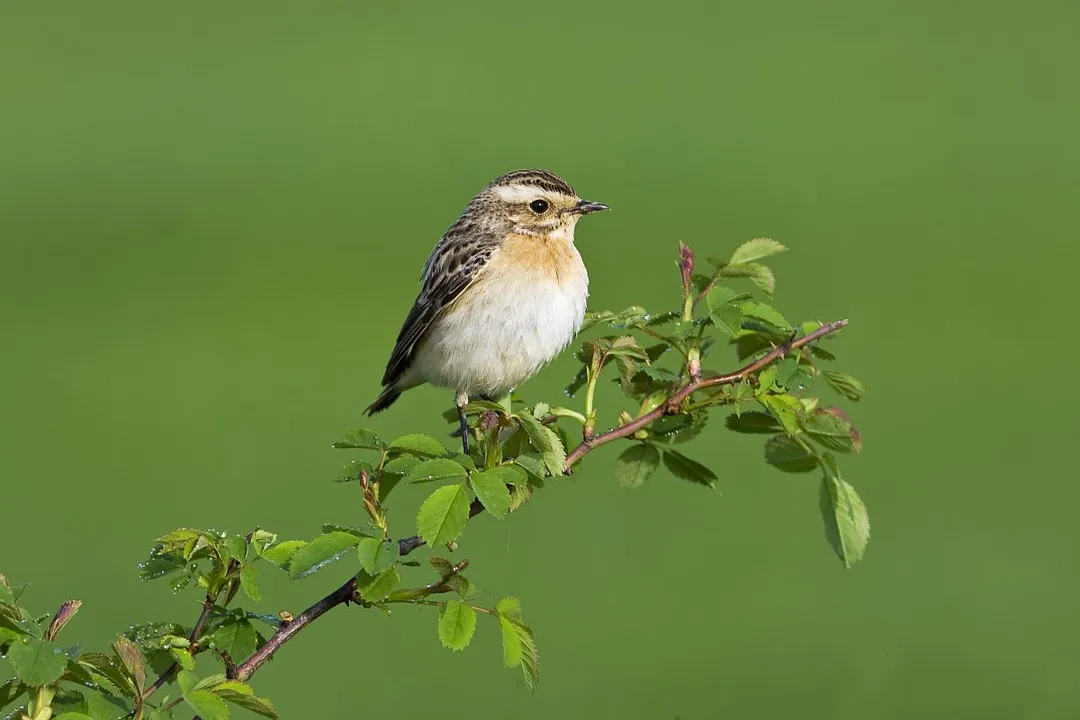
Related Questions
Where does the Whinchat migrate to for its wintering grounds?What specific term describes the Whinchat's swift, targeted flight from a perch to capture prey?What essential component of the diet is paramount for raising young during the Whinchat's breeding season?Which agricultural practice creates a nutritional bottleneck by reducing mature prey biomass?What small, high-energy larval stage is listed as a crucial food source for Whinchat chicks?What food category do berries and seeds supplement in the Whinchat's diet, primarily occurring in autumn?Which recommended garden offering mimics the Whinchat's natural high-protein invertebrate meal?What specific behavior, involving rapid ground movement and appendage action, aids the Whinchat in covering hunting territory?What feature of the Whinchat's preferred habitat provides necessary visual access for spotting ground prey?Besides ground-dwelling prey, which other flying insects are opportunistically noted in the Whinchat's diet?