What feature of the Whinchat's preferred habitat provides necessary visual access for spotting ground prey?
Answer
Open country with low, coarse vegetation
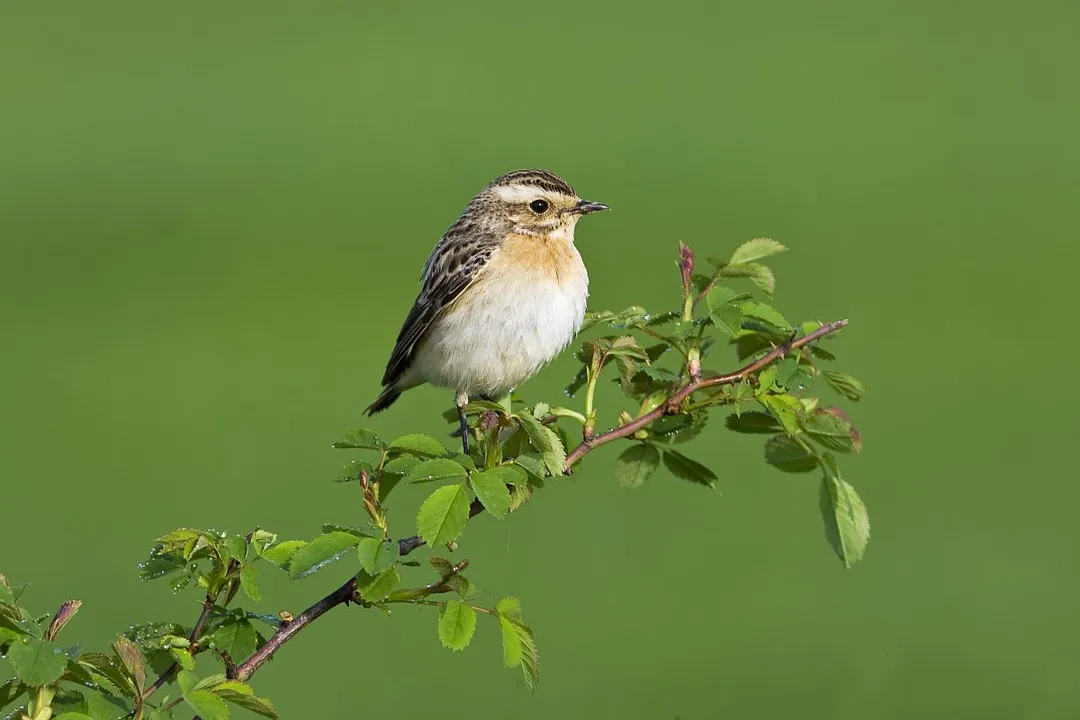
The dietary requirements of the Whinchat directly shape its required habitat structure. Since a large proportion of its prey is found on the ground or in very low vegetation, the bird needs a clear line of sight to spot movements. The ideal environment consists of open country characterized by low, coarse vegetation, which allows the bird to perch slightly above the surface (on shrubs or fence posts) and survey the area effectively. This open structure contrasts sharply with dense habitats, which would obscure ground-based insect activity.
Related Questions
Where does the Whinchat migrate to for its wintering grounds?What specific term describes the Whinchat's swift, targeted flight from a perch to capture prey?What essential component of the diet is paramount for raising young during the Whinchat's breeding season?Which agricultural practice creates a nutritional bottleneck by reducing mature prey biomass?What small, high-energy larval stage is listed as a crucial food source for Whinchat chicks?What food category do berries and seeds supplement in the Whinchat's diet, primarily occurring in autumn?Which recommended garden offering mimics the Whinchat's natural high-protein invertebrate meal?What specific behavior, involving rapid ground movement and appendage action, aids the Whinchat in covering hunting territory?What feature of the Whinchat's preferred habitat provides necessary visual access for spotting ground prey?Besides ground-dwelling prey, which other flying insects are opportunistically noted in the Whinchat's diet?