What evidence shows the White-Tailed Eagle's willingness to tackle large terrestrial prey?
Answer
Reports confirming they are capable of taking deer fawns
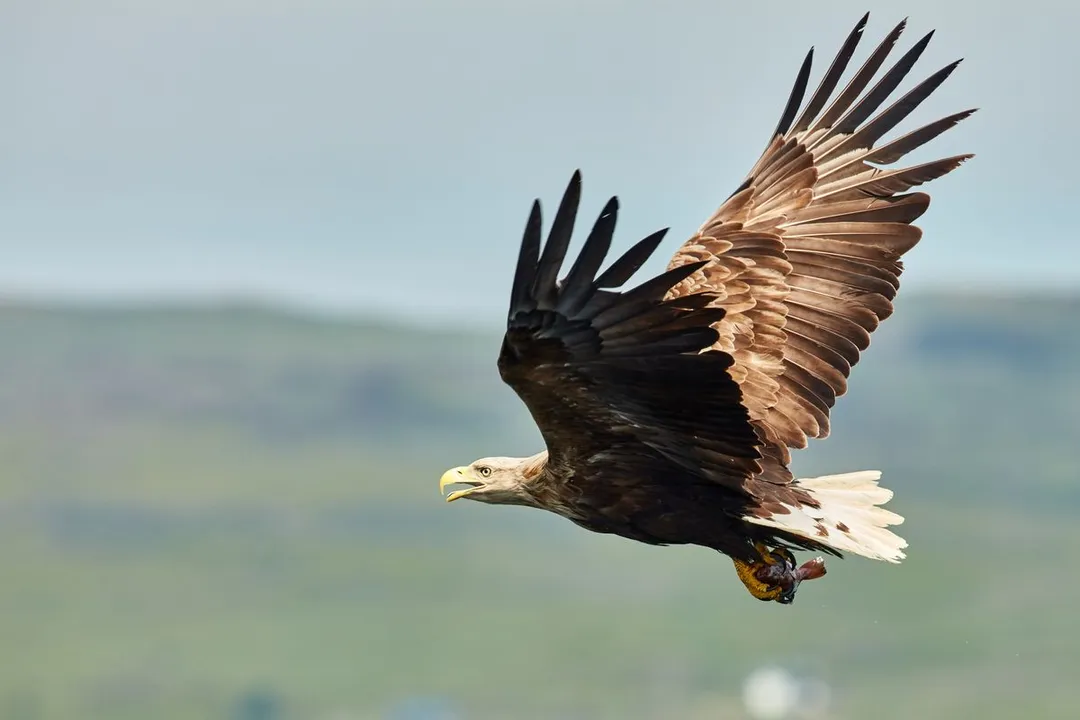
The eagle's willingness to hunt terrestrial fauna includes taking prey that is significantly larger than what might be strictly associated with a coastal hunter. While taking larger terrestrial prey is more energy-intensive, it offers a substantial caloric return for the effort invested. Specific reports confirm that White-Tailed Eagles are capable of successfully engaging with and taking young mammals, such as deer fawns, illustrating their broad predatory scope on land.
Related Questions
What defines the White-Tailed Eagle's dietary flexibility?Which specific fish species are listed as prey near coasts?Besides rabbits, what other small mammal is noted as prey for the eagle?When does the scavenging behavior of the White-Tailed Eagle generally become more pronounced?What is the estimated daily food requirement for an adult White-Tailed Eagle?How do the provisioning needs of a growing juvenile eagle differ from an adult?What dictates the drastic shifts in the proportion of diet categories?What evidence shows the White-Tailed Eagle's willingness to tackle large terrestrial prey?Under which condition do nesting seabirds become a significant dietary component for the eagles?What range of hunting methods must the White-Tailed Eagle employ?What specific carrion provides necessary sustenance in some Scottish regions during winter?