White-Tailed Eagle Scientific Classification
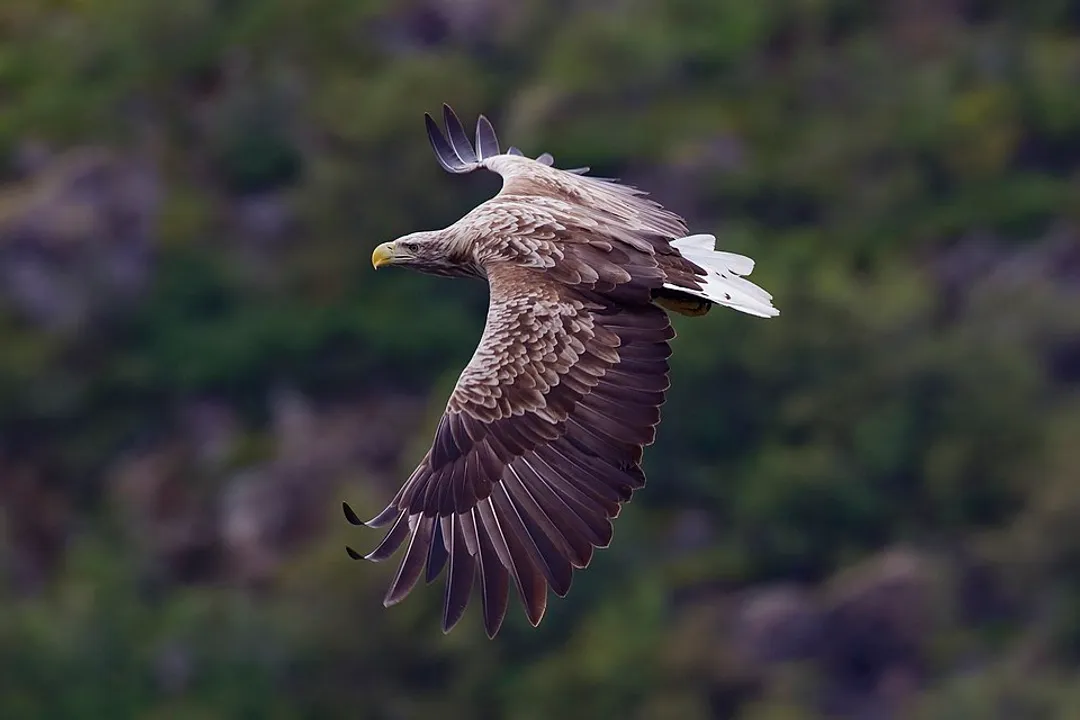
The White-tailed Eagle, a magnificent bird of prey, carries the official scientific designation Haliaeetus albicilla. [3][6] Understanding where this raptor sits within the grand architecture of life requires looking closely at its taxonomic classification, a system that organizes biodiversity based on shared ancestry and characteristics. [5] This classification moves from the broadest categories down to the precise species level, providing a universal scientific language for identification. [2]
# Naming Convention
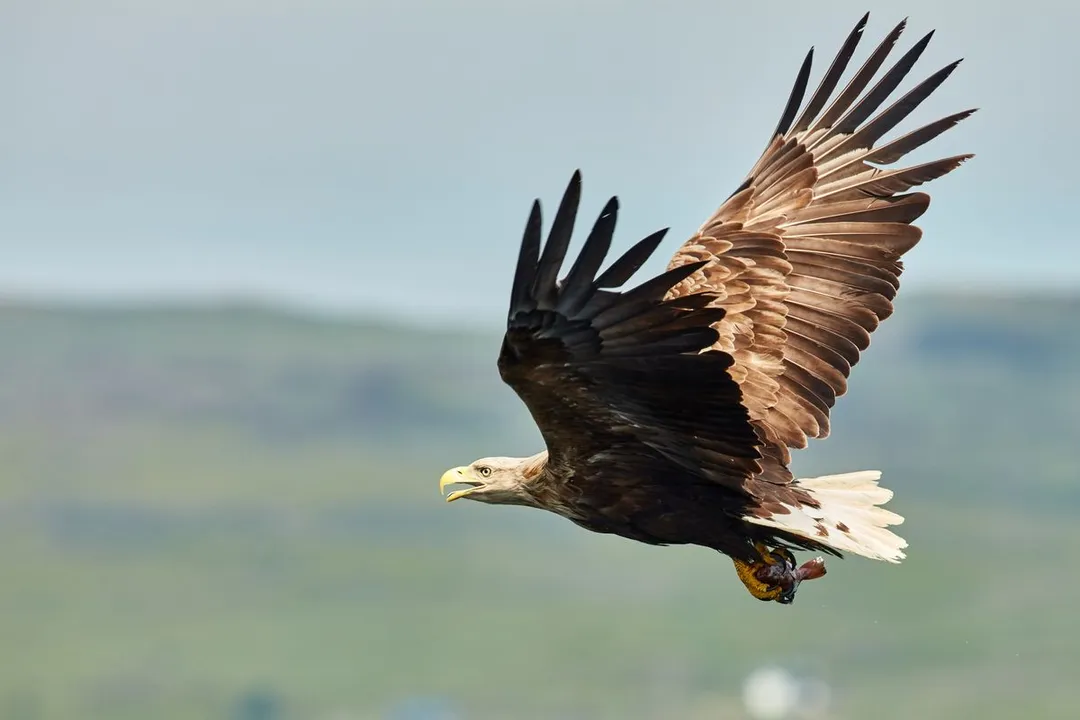
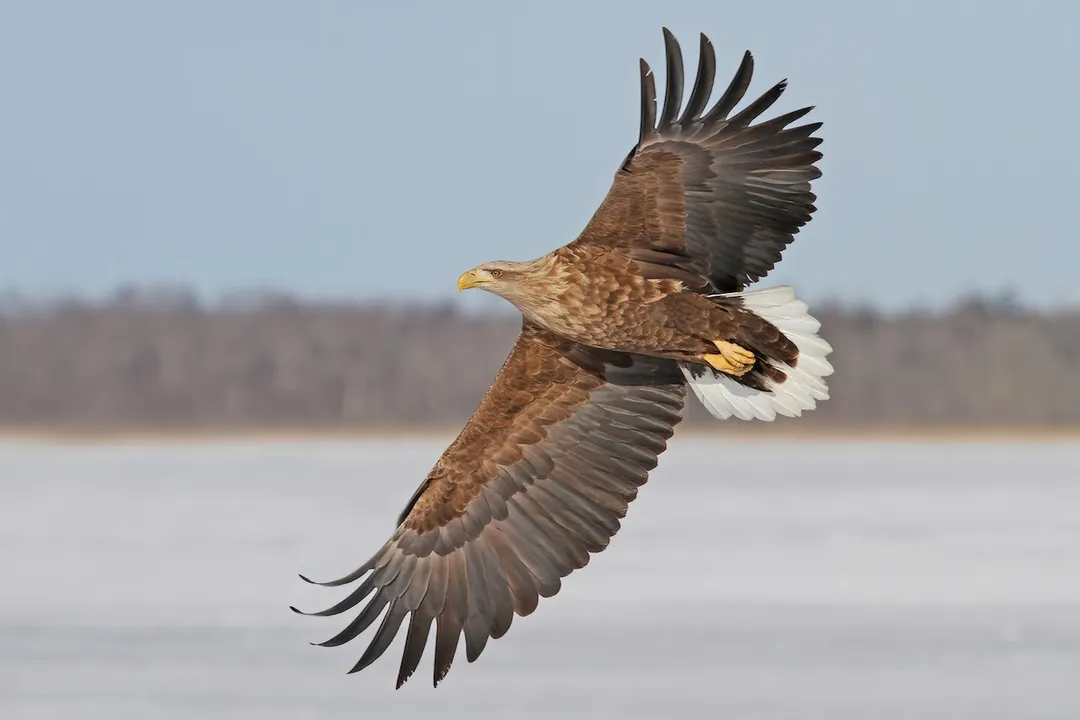
The binomial nomenclature, Haliaeetus albicilla, was established through the Linnaean system. [4] The genus name, Haliaeetus, describes a group of sea eagles, translating roughly to "sea eagle". [3][6] The specific epithet, albicilla, means "white-tailed". [3] This combination directly references the bird's most distinct feature: its pure white tail, which contrasts sharply with its darker body plumage. [4] While known globally by this scientific name, it is also recognized by other common names, such as the Erne, particularly in Ireland. [7] In some regional contexts, it might be referred to as the Gray Sea Eagle. [9]
# Taxonomic Placement
The structure that places the White-tailed Eagle is a nested hierarchy that charts its evolutionary path. For the Haliaeetus albicilla, this lineage begins with the broadest grouping and narrows down. [5]
| Rank | Taxon Name | Basis |
|---|---|---|
| Kingdom | Animalia | Multicellular, heterotrophic organisms [5] |
| Phylum | Chordata | Possessing a notochord or vertebral column [5] |
| Class | Aves | Birds, characterized by feathers and beaks [5][6] |
| Order | Accipitriformes | The order containing most diurnal birds of prey [5][7] |
| Family | Accipitridae | Hawks, eagles, kites, and Old World vultures [5][6] |
| Genus | Haliaeetus | Sea eagles [5][6] |
| Species | H. albicilla | The White-tailed Eagle itself [5] |
The classification places the bird firmly within the Class Aves. [5] Its position in the Order Accipitriformes confirms it as a diurnal raptor, distinguishing it from owls (Strigiformes). [7] The family Accipitridae groups it with true eagles, hawks, and kites, organisms sharing key physical traits like powerful talons and hooked beaks suited for predation. [2][6] Its unique NCBI Taxonomy ID is listed as 8969. [5]

# Genus Membership
The genus Haliaeetus is particularly interesting because it brings together several large sea eagles found across the globe. [2] While the White-tailed Eagle is one member, its genus lineage includes other famous species, such as the Bald Eagle (Haliaeetus leucocephalus) of North America and the Steller's Sea Eagle (Haliaeetus pelagicus) of Asia. [2] The commonality among these birds, reflected in their shared genus name, is their preference for coastal, wetland, or large riverine habitats and a diet heavily reliant on fish. [2][8] Seeing these different eagles grouped together scientifically underscores the powerful role that geography and feeding ecology have in shaping evolutionary divergence within a single lineage. [2]
# Taxonomic Authority Variation
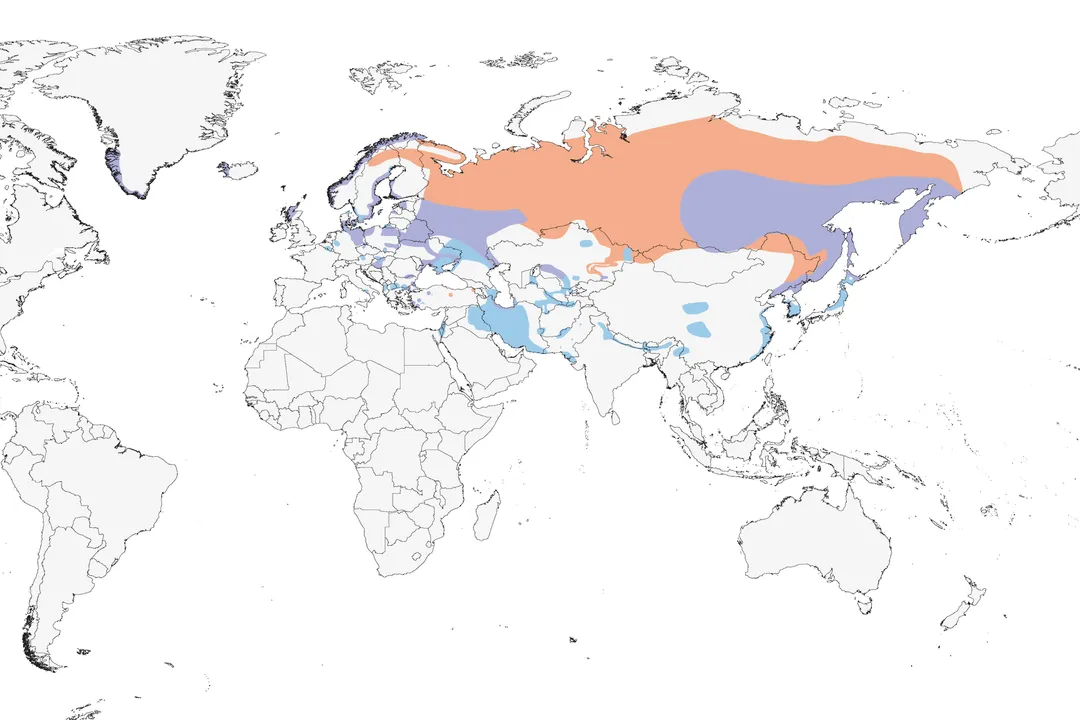
While the core classification of Kingdom down to Genus is widely accepted, details regarding specific subspecies or the recognition of certain splits can vary slightly between different taxonomic authorities. [3] For instance, the International Ornithological Congress (IOC) World Bird List maintains its own standard for species and subspecies classification, which influences how researchers and birders categorize populations. [3] The IOC listing for the White-tailed Eagle confirms its placement within Haliaeetus. [3] It is worth noting that in some instances, populations that were once considered mere subspecies are sometimes elevated to full species status by one authority while remaining under the larger umbrella by another, necessitating cross-referencing between different checklists when tracking global conservation statuses. [3]

# Insight into Subspecies Grouping
The concept of Haliaeetus albicilla sometimes includes recognized regional variations, even if they are not always treated as distinct species. For example, some sources indicate that the nominate subspecies, H. a. albicilla, represents the populations found across much of the European range. [4] Conversely, historical or regional studies might discuss a distinct Greenlandic population. [4] Recognizing these slight genetic or geographic variations is often key for local conservation planning. If a population in a specific region, say Iceland or the Faroes, shows consistent morphological differences from the mainland European birds, knowing the specific subspecies designation assigned by a governing body like the IOC can help tailor protection efforts to that localized gene pool, rather than applying broad, one-size-fits-all regulations across the entire species range. [3]
# Order Context and Raptorial Features
To appreciate the eagle's scientific placement fully, consider its Order, Accipitriformes. [5] This group is defined by broad wings, strong legs, and sharp, hooked beaks—features essential for an apex aerial predator. [7] Though all birds of prey share these general traits, the evolutionary divergence within Accipitridae led to specialized niches. [6] The White-tailed Eagle’s classification shows it specialized away from the more terrestrial hunting styles of some hawks and towards the piscivorous lifestyle common to sea eagles. [2][8] This means that despite being closely related to an Accipiter hawk, for example, the White-tailed Eagle’s skeletal and muscular structure has been fine-tuned over millennia for soaring over water and snatching heavy prey, a specialization reflected in its taxonomic grouping within Haliaeetus. [2]
# Scientific Integrity
The establishment of Haliaeetus albicilla is more than just an academic exercise; it is fundamental to global wildlife monitoring and legislative protection. [1] When international agreements regarding migratory species or endangered birds are discussed, they rely solely on the binomial name for unambiguous identification, preventing confusion between the White-tailed Eagle and its look-alikes or close relatives in other continents. [2] For example, anyone observing a large sea eagle in Finland or Japan immediately knows the scientific context by the name Haliaeetus albicilla, regardless of local language variations. [9] This universal standard ensures that data on population trends, threats like habitat loss, or outcomes of reintroduction programs are accurately aggregated across borders and compiled into authoritative databases such as those maintained by Avibase. [1] The precision offered by this classification is what gives conservation science its necessary global authority.
Related Questions
#Citations
Haliaeetus albicilla (White-tailed Eagle) - Avibase
White-tailed Eagle Haliaeetus albicilla - Birds of the World
Haliaeetus albicilla - Details : White-tailed Eagle - BirdGuides
White-tailed eagle - Simple English Wikipedia, the free encyclopedia
Haliaeetus albicilla (white-tailed eagle) - PubChem
White-tailed Eagle (Haliaeetus albicilla) - iNaturalist
White-tailed Eagle - BirdWatch Ireland
The White-Tailed Sea Eagle (Haliaeetus albicilla) - Avibirds.com
White-tailed eagle guide: what they eat, why they went extinct in the ...