What ecological factor related to bark consumption suggests it is a survival measure?
Answer
They consume bark sparingly compared to other large water-side rodents like the coypu
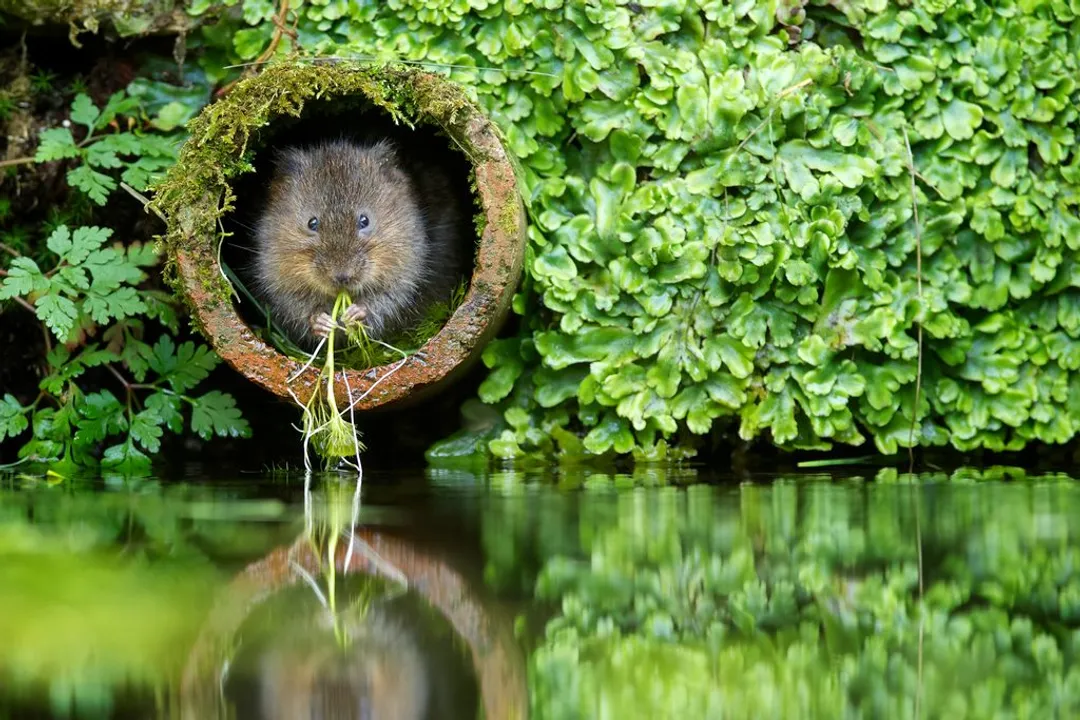
The relative scarcity of bark consumption by the water vole, especially when contrasted with larger local rodents such as the coypu, implies that eating bark is not a primary or preferred feeding activity. Bark contains a high concentration of lignin and cellulose, materials that demand specialized digestive processes or are simply inefficient energy sources relative to roots or fresh greens. Therefore, consuming bark is viewed as a necessary survival tactic employed when carbohydrate-rich roots become inaccessible due to frozen ground, or when softer forage is entirely unavailable during harsh winter conditions.
Related Questions
What plant families constitute the bulk of the water vole's summer menu?What is the estimated daily consumption quantity required by a water vole?What durable food sources replace fresh growth in the water vole's winter diet?Which location preference guides the water vole's summer feeding strategy?How do water voles typically prepare food before ingesting it?What ecological factor related to bark consumption suggests it is a survival measure?What does the need for constant foraging imply about the nutrition of grasses and reeds?What resource do roots provide that makes them a vital component of the winter diet?Are water voles known for hoarding large stockpiles of fresh summer vegetation?What breaks down the tough cellulose found in the water vole's staple summer diet?