Water Vole Locations
The appearance of the water vole, Arvicola amphibius, often requires patience and intimate knowledge of its preferred environments. For those keen to spot this small mammal, understanding precisely where they choose to establish their semi-aquatic lives is the first, most crucial step. [1][7] These creatures are intrinsically linked to freshwater systems, but not just any stream or pond will do; their presence is often a marker of a healthy, well-vegetated waterway.
# Habitat Needs
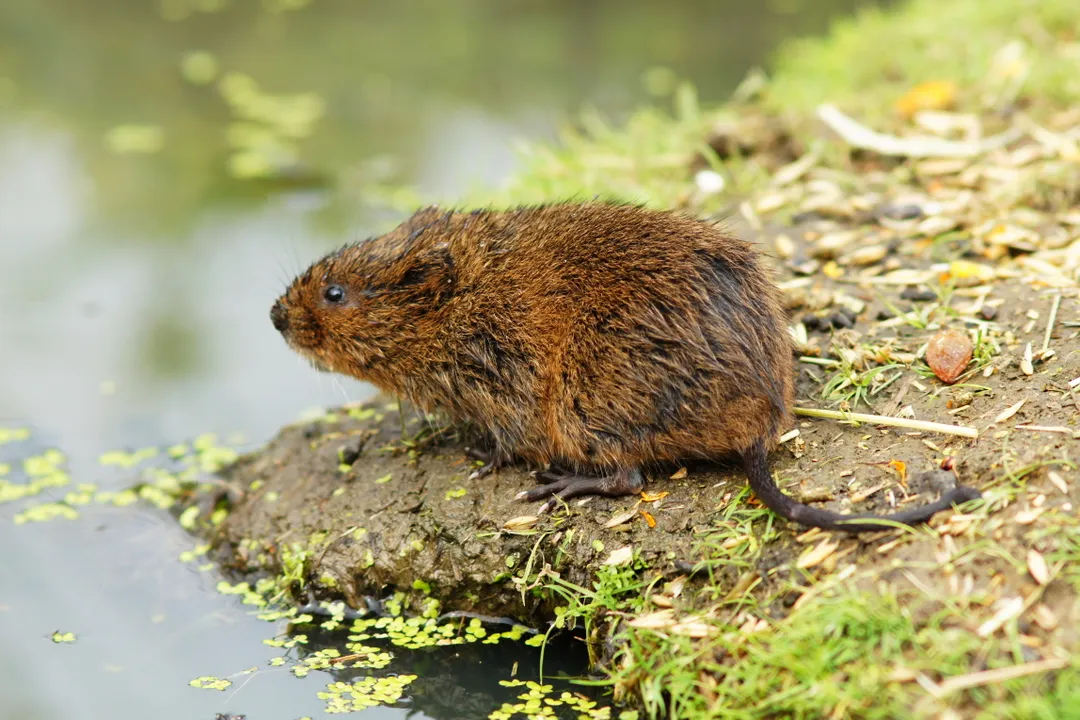
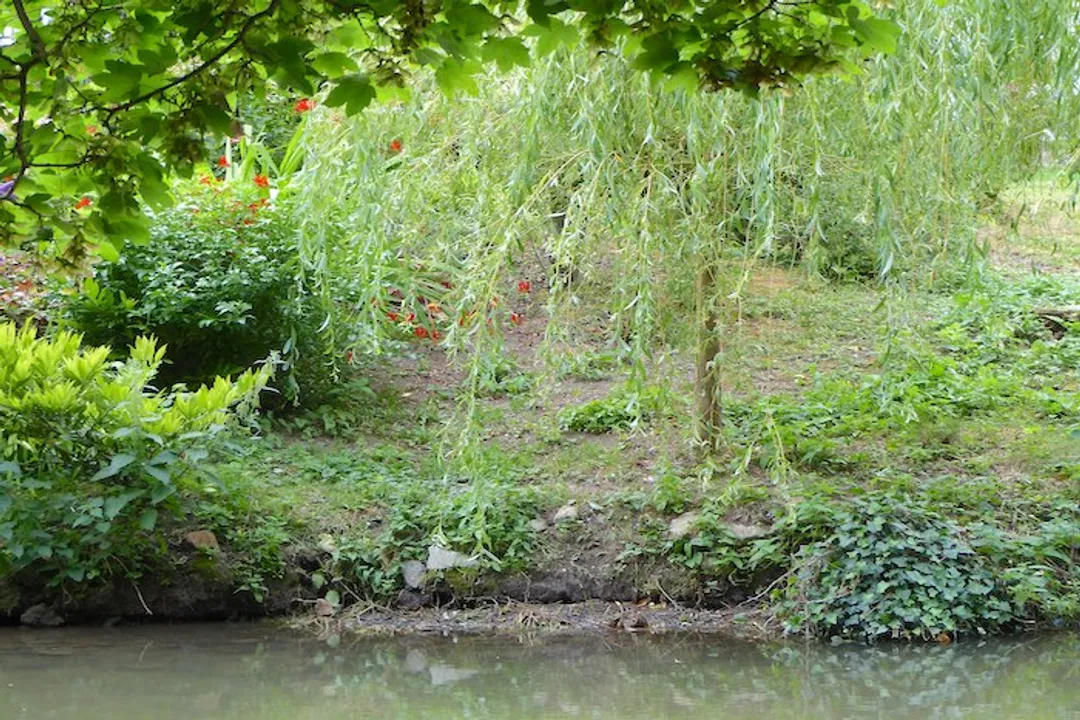
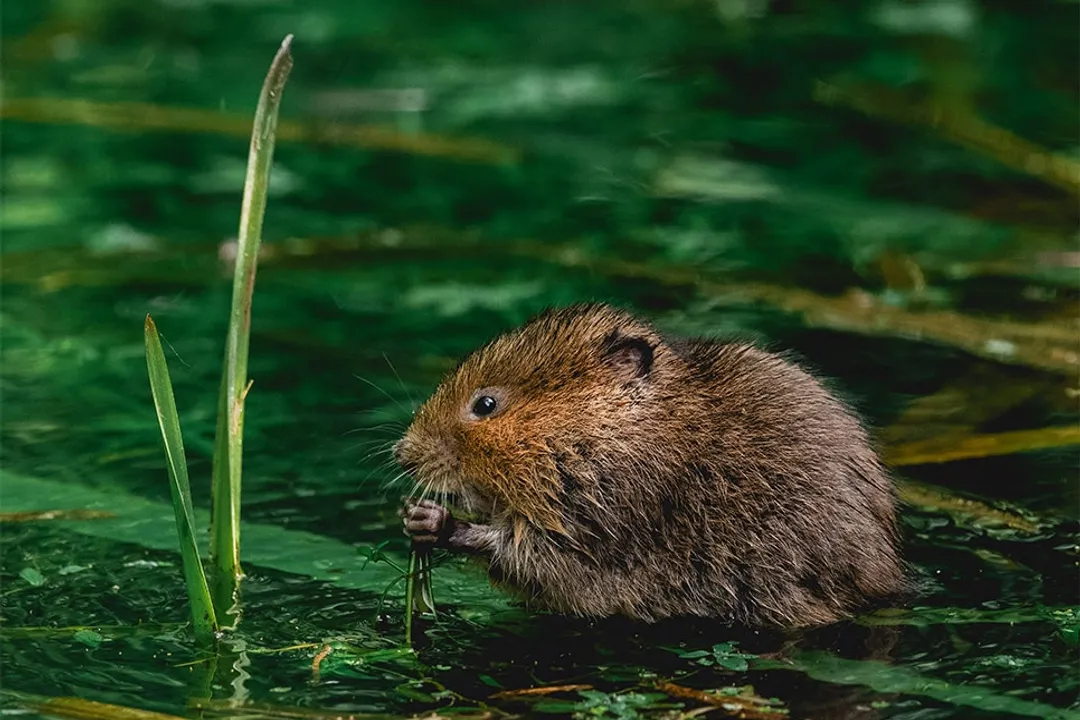
The ideal residence for a water vole centers on reliable sources of slow-moving, permanent fresh water. [6] They thrive along the banks of rivers, streams, ditches, canals, ponds, and marshy areas. [2][4][9] While water is essential, the surrounding vegetation is perhaps the most telling characteristic of a suitable location. Water voles require dense cover, often consisting of grasses, rushes, and reeds growing right up to the water's edge. [1][6] This heavy cover provides critical protection from aerial predators like owls and birds of prey. [4]
A key feature of prime habitat is the presence of undercut banks, which offer secure locations for excavation. [2][4] Water voles are famous for digging extensive burrow systems directly into these banks. [1][3] These burrows serve as secure, dry resting spots and nesting sites, often with entrances strategically positioned just above the water level. [1][3] Observing the slope of the bank reveals much about the voles' activity; a bank thickly lined with grasses and sedges is far more promising than one that is bare or heavily scrubbed with woody plants that offer poor cover along the water line. [9] It is this specific combination—stable banks, permanent water, and dense, low-lying riparian vegetation—that dictates where you are likely to find established colonies.
The North American water vole shows a slight specialization based on geography. In areas like Montana, for instance, they are particularly associated with high-elevation, cold, and clear water sources, where the riparian zone is rich in perennial grasses and sedges. [6] This suggests that while the general requirements hold true across species and regions, localized climate and altitude can refine the precise niche they occupy. [1][6] The quality and continuity of the vegetation corridor surrounding the water body often proves to be the limiting factor for successful colonization, sometimes even outweighing minor fluctuations in water flow or temperature.
# Geographic Range
The distribution of the water vole varies significantly depending on whether you are looking across the North American landscape or within the British Isles, where the species has faced severe declines. [1][5]
In North America, the species is primarily associated with the western and central regions. [1] Key states and provinces where they are documented include the Northwest Territories, British Columbia, Idaho, Washington, Oregon, and Utah. [1][6] When tracking them in this part of the world, specialists often focus on areas where water remains available year-round and the elevation supports the specific types of sedges and grasses they prefer. [6]
Across the United Kingdom, the water vole is historically spread throughout England, Scotland, and Wales, though conservation efforts are now keenly focused on maintaining populations in these areas. [5][4] Here, the location is less about high elevation and more about the network of slow-moving waterways—the meandering rivers, quiet backwaters, drainage ditches essential for agriculture, and still ponds. [4][9] Although once widespread, their strongholds are now often tied to specific river trusts and reserves where habitat management actively supports their needs. [5][4] Locating them successfully often means seeking out specific, managed areas rather than relying on historical general distribution maps, given the pressures they face. [9]
It is worth noting the difference in perception regarding their visibility. While European populations are often highlighted due to conservation drama, the North American populations in the interior West maintain specific habitat requirements linked to cold, clear systems, suggesting that a vole in a Montana mountain stream might be exhibiting slightly different localized ecological dependencies than one along a lowland English canal. [1][6]
# Evidence Tracking
Spotting the animal itself can be challenging due to their shy nature and the protective cover they keep. [4] Fortunately, water voles often leave behind clear signs of their occupation, making indirect location easier than direct sighting. [2][5]
One of the most definitive indicators is the presence of latrines. [4][5] These are small piles of characteristic, spindle-shaped droppings, often placed conspicuously along the water's edge on prominent mounds of earth, floating debris, or flat stones. [4][5] Finding one or more of these latrines is a strong confirmation that water voles are actively using that stretch of habitat. [2][4]
Another vital clue lies in the burrows. [2][3] Look for entrances along the bank, usually about 10 to 30 centimeters (4 to 12 inches) in diameter, often located within the dense tussocks of grass. [2] A healthy burrow system may have multiple entrances, and you may notice paths or runways worn into the vegetation leading down to the water. [2]
Finally, examine the feeding signs. [1][2] Water voles leave behind remnants of the plants they consume. They typically snip stems of grasses, reeds, or rushes, eating the succulent base or crown near the ground, often leaving a distinctive, ragged, chewed end. [1][2] If you find these discarded stems lying near the water's edge or on small feeding platforms just above the waterline, you have located an active feeding station. [2] Comparing the chewing pattern to that of the common brown rat—a species often sharing the same environment—can be helpful; voles tend to leave more ragged, less precise cuts. [5]
| Sign of Presence | Description | Location |
|---|---|---|
| Latrines | Small, dark, spindle-shaped droppings | On prominent points, stones, or mounds near the water [4][5] |
| Burrows | Round entrances, about 10–30 cm wide | In stable, vegetated banks, often near water level [2] |
| Feeding Remains | Raggedly chewed bases of grasses and reeds | Near entrances or on small platforms near the water [1][2] |
# Viewing Opportunities
Successfully observing a water vole requires understanding when and how to look. Since they are frequently preyed upon, they tend to be most active when predators are less about, meaning the edges of the day are usually the best time. [4]
The prime time for spotting activity is typically at dawn and dusk. [4] During these periods, they venture out to feed along the bankside paths. [4] While they are sometimes seen during the day, especially on overcast days or in very quiet, secure locations, early morning or late evening offers the highest probability. [4]
When seeking a sighting, select an area that features still or very slow-moving water bordered by abundant, low-growing vegetation. [4] A spot where the bank is slightly lower or flattened can indicate a regular travel route. It is often more effective to remain perfectly still and quiet, perhaps overlooking a section of dense reeds from a discreet distance, rather than actively searching and moving along the bank, which might scare them into their burrows. [4] Listen carefully for subtle sounds—a slight splash, the rustle of vegetation, or the quiet crunching of stems—as these small noises often precede a visual confirmation. [4] If you are in an area known for voles (such as a managed wetland or a protected river stretch), look for viewing hides or established bankside paths that indicate low human disturbance, which increases your chances of seeing them foraging unbothered. [4][9] Patience here is directly correlated with success.
Related Questions
#Citations
North American water vole - Wikipedia
Where to see water voles - The Wildlife Trusts
Water Vole - Critter Control
10 top tips to spot a water vole | WWT
Water voles | NatureScot
North American Water Vole - Montana Field Guide
Water Vole Facts, Habitat & Lifespan | Study.com
Water Vole - Forth Rivers Trust
Water Vole Habitat Management