What does the classification divergence between Xerus (Old World) and Spermophilus (New World) imply?
Answer
Terrestrial lifestyles evolved independently
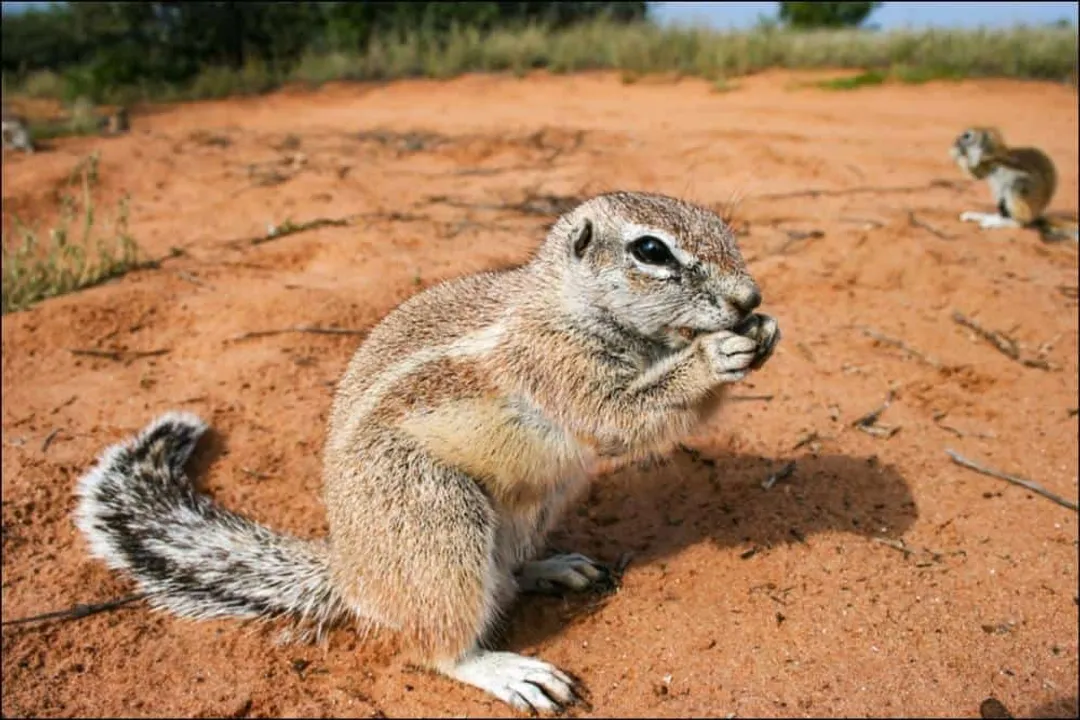
When comparing *Xerus*, the Old World ground squirrel genus, with the genus *Spermophilus*, representing New World ground squirrels, their classification separation at the subfamily or tribe level is significant. This divergence in taxonomic rank, despite the similar ecological niche (being terrestrial ground squirrels), strongly suggests that the adaptation to a burrowing, ground-dwelling lifestyle occurred separately in these two geographical regions. This is a classic example of convergent evolution, where similar environmental pressures lead to similar external traits without a very recent common ancestor at the deeper taxonomic levels.
Related Questions
Which Class do all members of the genus Xerus belong to, based on possessing hair and nursing young?What specific dental characteristic defines the Order Rodentia which includes Xerus?Which group of mammals shares the Family Sciuridae classification with Xerus?What specific tribe grouping separates Xerus from the genus Sciurus?Who is cited as the species authority for Xerus inauris (Cape Ground Squirrel)?What environmental conditions are suggested to influence the tribal placement of Xerus?What shared physical trait is noted for species within the genus Xerus?What does the classification divergence between Xerus (Old World) and Spermophilus (New World) imply?Which system confirms the genus Xerus and its placement within the standard hierarchy according to the text?What taxonomic rank represents the point of broad agreement across modern biological classification for Xerus?