Xerus Scientific Classification
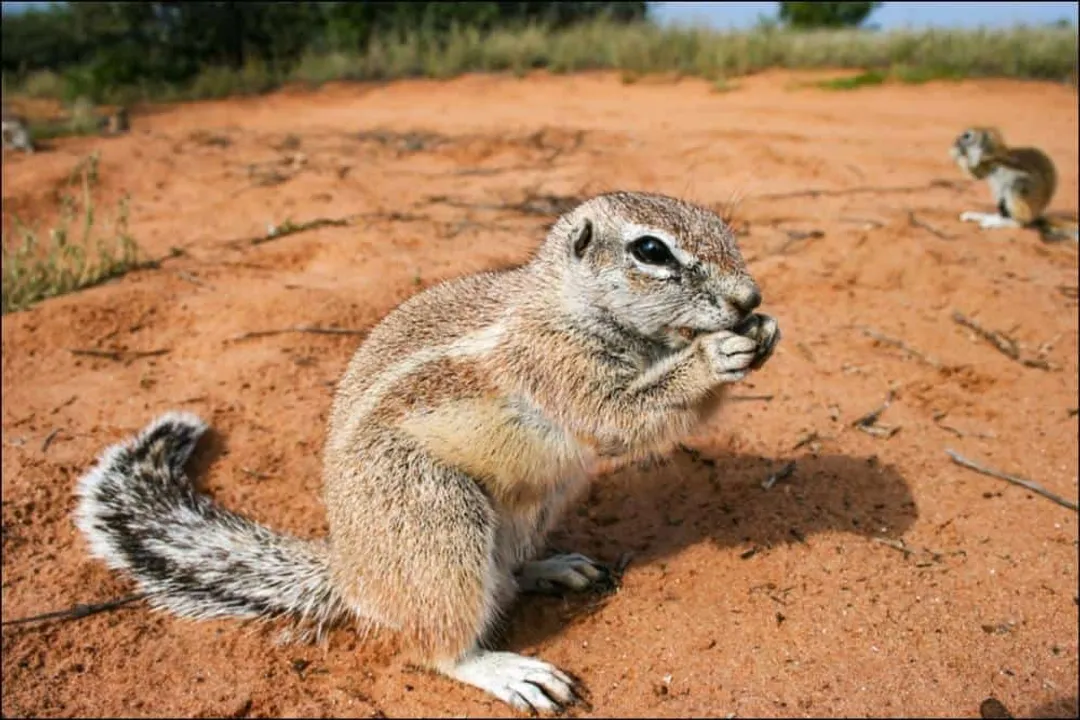
The group of mammals commonly known as African ground squirrels offers a fascinating case study in biological organization, specifically when we look at the genus designated as Xerus. These agile, diurnal rodents are distinct from their more arboreal cousins, and understanding their scientific classification provides a window into their evolutionary history and relationship with other squirrels. [4][5] To properly place Xerus within the grand scheme of life, one must trace its lineage through the standard Linnaean ranks, starting from the broadest categories down to the specific genus level, revealing shared ancestry with everything from fish to humans before zeroing in on its place among the rodents. [2][3]
# Higher Ranks
The initial steps in classifying any organism establish its fundamental biological grouping. All members of the genus Xerus share membership in the Kingdom Animalia, meaning they are multicellular, heterotrophic organisms. [2][3] Moving down the hierarchy, they fall into the Phylum Chordata, characterized by having a notochord at some stage of development, and the Class Mammalia, indicating they are warm-blooded, possess hair or fur, and nurse their young with milk. [2][4] This places them squarely within the familiar realm of vertebrates.
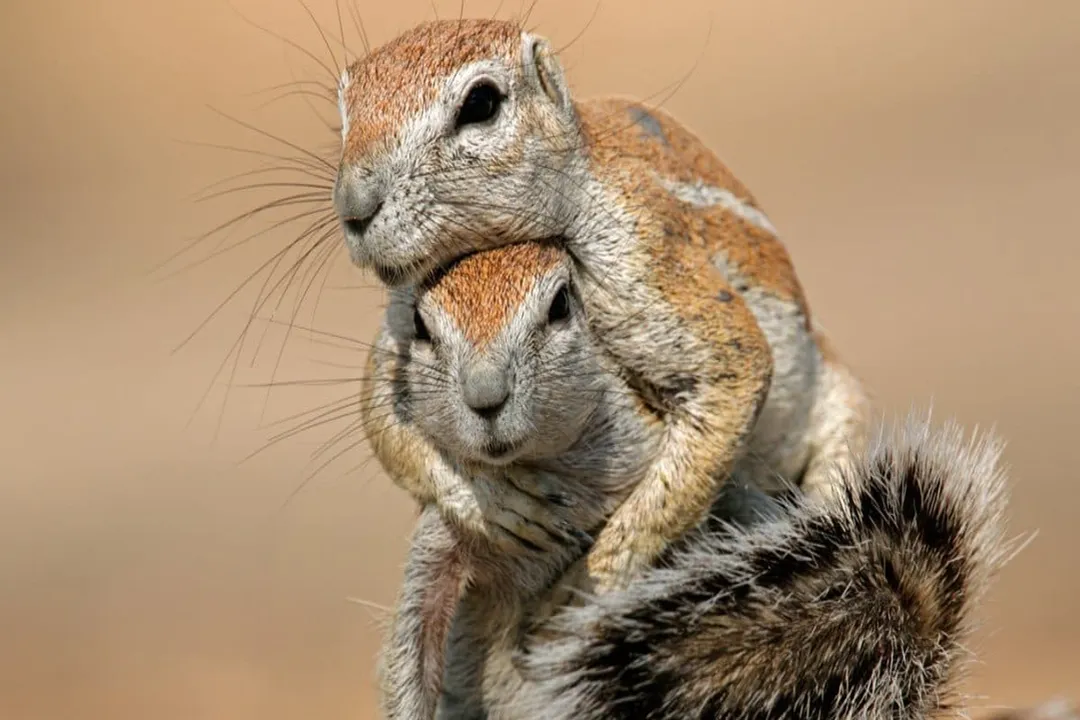
The order Rodentia is critical, as it groups Xerus with mice, rats, beavers, and porcupines—all characterized by a single pair of continuously growing upper and lower incisors. [2][4] This order is immense, and the next classification step helps narrow the focus considerably. Xerus belongs to the Family Sciuridae, which encompasses all squirrels, including marmots, prairie dogs, and ground squirrels. [4][5][6] While often grouped loosely with other burrowing mammals, the defining shared traits within Sciuridae link Xerus much more closely to, say, a North American chipmunk than to a pocket gopher, which belongs to a different order altogether.
# Genus Definition
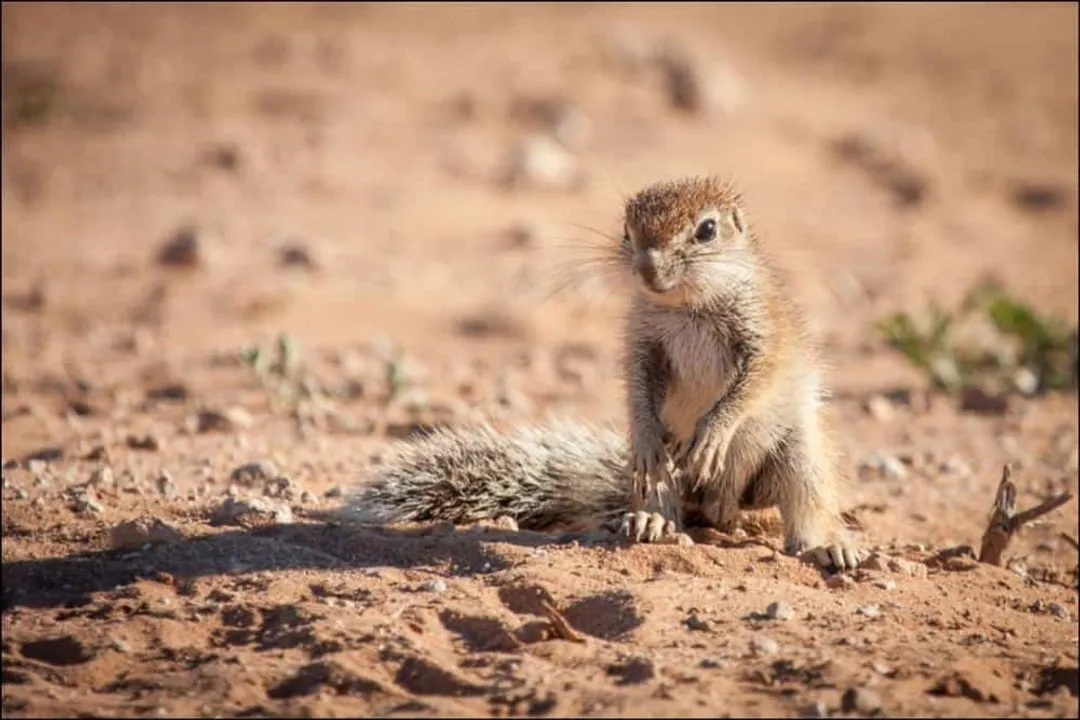
The genus Xerus itself represents a significant evolutionary divergence within the squirrel family. [5] This grouping is generally reserved for African ground squirrels. [4] Several sources confirm the taxonomic placement of Xerus as a distinct genus within the tribe Xerini. [5][6] This tribal placement further separates them from tree squirrels (like Sciurus) and other ground squirrels, highlighting adaptations to their specific, often arid or semi-arid, African environments. [5]
One notable aspect when reviewing the classification across different databases is the slight variation in how the Xerus genus is subdivided or even recognized as a valid grouping, although Xerus itself is consistently maintained as the genus name. [3][6] For instance, the genus Xerus contains multiple recognized species, such as Xerus inauris (the Cape ground squirrel) and Xerus rutilus (the unstriped ground squirrel). [8][1] The characteristics shared across these species—such as their terrestrial habits, long tails that can be used for communication or shade, and diurnal foraging patterns—are what cement their placement together under the Xerus banner. [1][4]
A point of interest arises when comparing Xerus to the New World ground squirrels (e.g., Spermophilus). While both are ground squirrels, their classification at the subfamily or tribe level often shows separation, indicating that terrestrial lifestyles evolved independently in the Old World (Xerus) and the New World. [5] The scientific classification system, therefore, accurately reflects this separate evolutionary path, even if the ecological niche appears similar.
# Species Variation
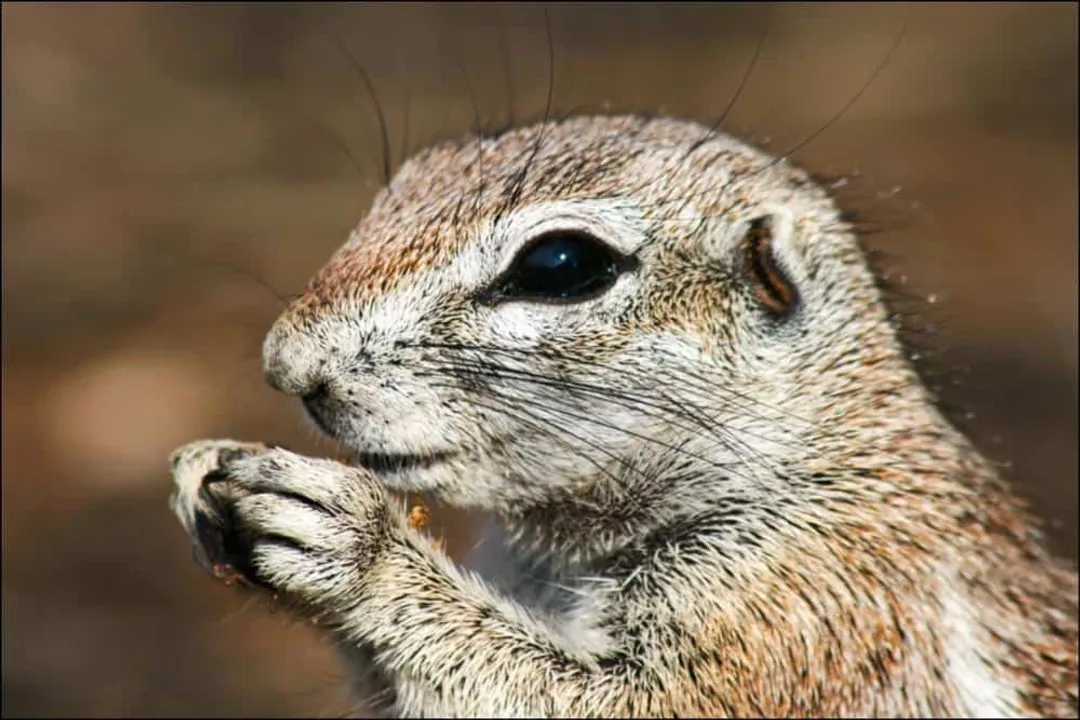
The genus Xerus is not monolithic; it encompasses several distinct species, each adapted to slightly different ecological niches across Africa. [1][4] Tracking the scientific classification down to the species level reveals important biodiversity within this group.
Consider two examples supported by different biological repositories:
| Taxonomic Level | Xerus inauris (Cape Ground Squirrel) | Xerus rutilus (Unstriped Ground Squirrel) |
|---|---|---|
| Genus | Xerus | Xerus |
| Species Authority | Desmarest, 1822 | Tete, 1845 |
| Common Range | Southern Africa | East Africa |
This table illustrates that while the authority and date of description differ for the species, the genus assignment remains constant across recognized groups. [1][8] In a more detailed taxonomic breakdown, one often finds references to subspecies, which are local variations within a species, reflecting finer geographical isolation and adaptation. For example, X. rutilus has been noted with several subspecies defined by color variation or localized distribution patterns. [1]
The Tree of Life Web of Life (ToLWeb) and other systematic sources often present a slightly different resolution at the tribe or subfamily level, but the consistent path from Mammalia through Rodentia to Sciuridae, culminating in Xerus, is a point of broad agreement across modern biological classification efforts. [2][5][9] The Integrated Taxonomic Information System (ITIS) confirms the genus Xerus and its placement, providing a solid reference point for its standing within the system. [3]
# Classifying Consistency
When working with scientific names, consistency across different authoritative sources builds trust in the classification structure. If a reader looks up Xerus in a general animal encyclopedia, a genomics database, or a formal taxonomic list, the expected higher ranks should align. [3][4][8]
For example, the standard path accepted across several major biological indices can be summarized as follows, demonstrating the consensus for the genus:
- Kingdom: Animalia [2][3]
- Phylum: Chordata [2][3]
- Class: Mammalia [2][4]
- Order: Rodentia [2][4]
- Family: Sciuridae [4][5]
- Genus: Xerus [3][6]
The fact that sources like iNaturalist list the taxon ID and provide a clear hierarchy, while specialized databases like Mammal Diversity Database confirm the entry for the genus, shows a well-established scientific consensus regarding the genus's placement. [6][9] When a specific species like Xerus inauris is examined, resources focusing on aging and genetics, such as those studying senescence, also confirm its placement within this established structure, linking genetic research back to morphological taxonomy. [8] This cross-referencing across disciplines—from ecology (X. rutilus data) to genomics—reinforces the authority of the classification. [1][8]
The relative stability of the genus Xerus compared to the often-revisited boundaries of some species groups highlights the effectiveness of the initial broad groupings. It’s generally easier for scientists to agree on which family a squirrel belongs to than to precisely delineate the boundaries between two closely related species of that squirrel, which might only differ by coat coloration or minor skeletal variations observable only in museum specimens. [5]
# Data Integration Insight
To appreciate how deeply integrated this classification is, consider the data points that support its placement. Taxonomists often use morphological measurements (like skull size or tooth structure) and, increasingly, molecular data (DNA sequencing) to confirm these groupings. [5] If we were to compare the average Xerus skull width to that of a tree squirrel from the genus Sciurus, the differences might be small but consistent enough to place them in separate genera, while the shared genetic markers would keep them locked within the same family, Sciuridae. The classification is not arbitrary; it is a hypothesis built on observable and measurable biological traits. [5] The continued inclusion of Xerus in major taxonomic catalogs, like those maintained by governmental agencies and international scientific bodies, confirms its accepted scientific standing. [2][3]
Related Questions
#Citations
Xerus rutilus (unstriped ground squirrel) - Animal Diversity Web
Xerus (Geosciurus) - Explore the Taxonomic Tree | FWS.gov
Report: Xerus (Xerus) - Integrated Taxonomic Information System
Xerus Animal Facts - A-Z Animals
[PDF] MAMMALIAN SPECIES No. 370, pp. 1-5, 3 figs. - Xerus rutilus.
Genus Xerus · iNaturalist
Xerus - Mindat
AnAge entry for Xerus inauris - Human Ageing Genomic Resources
Xerus rutilus • Unstriped Ground Squirrel