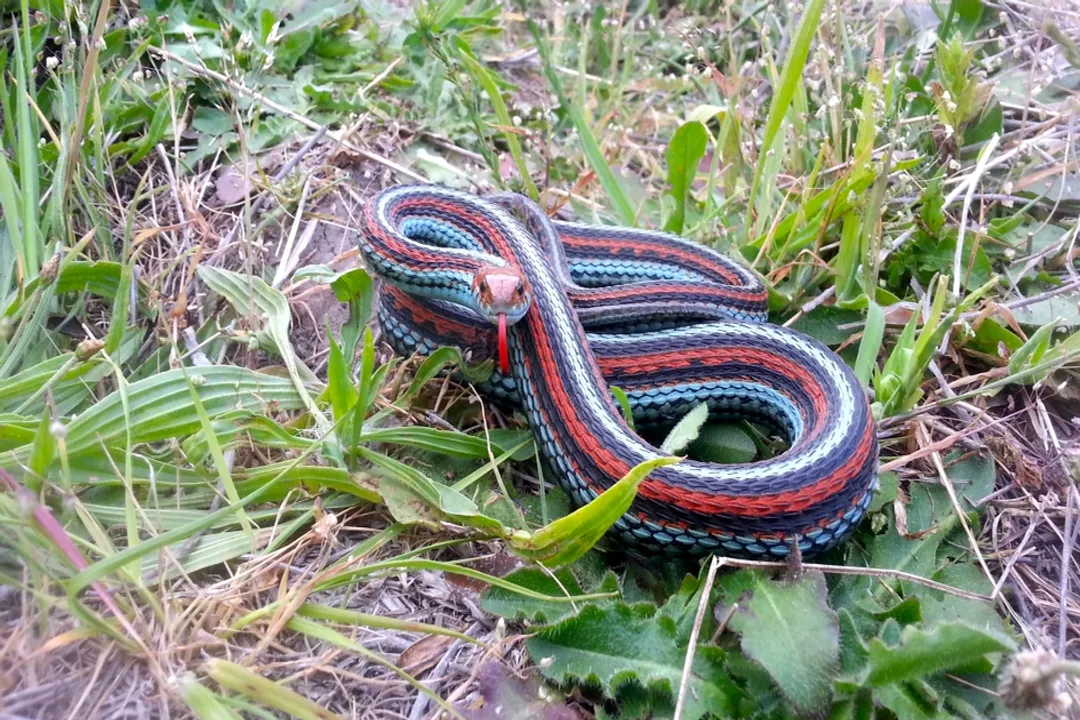
What distinguishes the designation of critical habitat from merely identifying occupied habitat?
Critical habitat encompasses a larger surrounding area necessary for long-term survival and dispersal, even if snakes are not physically present year-round
A crucial distinction in conservation planning involves recognizing the difference between where a species is currently observed (occupied habitat) and the areas deemed necessary for its recovery (critical habitat). While occupied habitat refers to the specific locations where the snakes are currently found, often limited to a few ponds, the critical habitat designation adopts a broader, landscape-scale view. This designation legally encompasses a larger surrounding area required to support the species' long-term survival, necessary dispersal between sites, and eventual recovery goals, even if the snakes themselves do not physically inhabit every square foot of that designated space throughout the year.